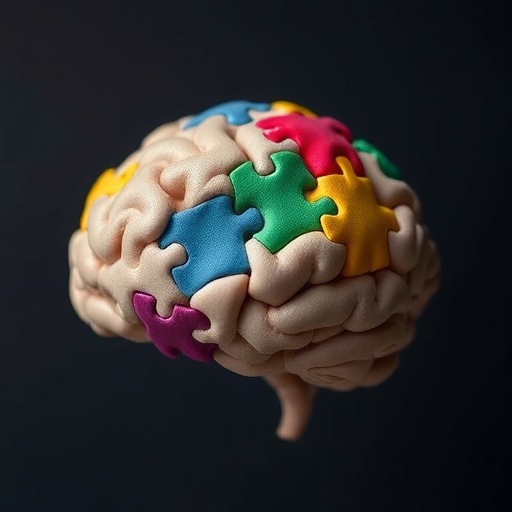
April 1, 2026 – Autism BrainNet has unveiled compelling new survey data that underscores a striking gap between the American public’s widespread endorsement of autism research and their awareness of the pivotal role postmortem brain donation plays in advancing scientific understanding. Despite a remarkable 92 percent consensus emphasizing the crucial importance of studying autistic brains to propel research, an alarming 70 percent of respondents reported having never encountered the concept of brain donation.
This discrepancy stands in sharp contrast to public familiarity with organ donation, highlighting a unique knowledge void. Over 80 percent of survey participants acknowledged familiarity with organ donation, and more than half were registered organ donors. Crucially, only a small fraction—merely 15 percent—understood that registering as an organ donor does not encompass consent for brain donation, a process requiring separate authorization. This divergence points to a profound misunderstanding affecting public engagement with postmortem brain science.
Postmortem brain tissue represents an irreplaceable resource for the scientific community investigating autism spectrum disorder (ASD) and related neurodevelopmental conditions. Unlike artificial intelligence models, neuroimaging techniques, or animal models, the biological complexity and nuanced pathology of the human autistic brain demand direct examination at the cellular and molecular levels. Dr. David G. Amaral, Scientific Director of Autism BrainNet and Distinguished Professor at UC Davis, explains that these unique human brain samples are essential for elucidating the intricate neurobiological underpinnings that drive autism.
The recent survey, conducted from February 26 through March 2, 2026, engaged over 1,000 American adults to explore public knowledge and perceptions surrounding brain donation. Widespread confusion emerged, with less than half aware that brain donation must occur within hours postmortem rather than days later, or while the individual is still alive—a misconception harbored by a small but significant minority. Equally concerning was the misunderstanding of donor eligibility; nearly one-third believed that neurological diagnoses such as autism or epilepsy disqualify individuals from donating brains, despite researchers’ explicit need for brains representing diverse conditions to facilitate comprehensive scientific inquiry.
Personal narratives amplify the impactful legacy of brain donation in autism research. Kathy Stein recounts her decision to donate her younger brother Ed’s brain after his passing, emphasizing the profound personal and scientific significance of this act. Ed’s life, rich with joy and relationships, now continues to influence autism research by contributing invaluable biological insights. This deeply human connection illustrates how donation transcends medical utility, embodying a dignified tribute while fostering scientific progress.
In conjunction with Autism Acceptance Month, Autism BrainNet is endeavoring to bridge knowledge gaps through an interactive “Ask Me Anything” session on Reddit scheduled for April 29, 2026, from 12 to 2 pm Eastern Time. This live event will feature Dr. Amaral and Dr. Alycia Halladay, Chief Science Officer of the Autism Science Foundation, who will address inquiries ranging from the mechanics of brain donation to pathways for becoming a donor. This initiative seeks to dismantle myths and promote informed decisions within the autism community and broader public.
It is imperative to clarify that brain donation serves exclusively scientific research purposes, distinct from organ transplantation. Moreover, brain donation requirements are independent of most medical conditions, enabling contributions from autistic individuals, those with genetic conditions linked to autism, and neurotypical donors alike. The preservation of tissue viability necessitates prompt recovery—ideally within 48 hours after death—though circumstances permitting later donation are occasionally accommodated. Families incur no expenses, as Autism BrainNet oversees all logistical arrangements, ensuring donations respect and do not interfere with preferred funeral practices.
Autism BrainNet’s mission, generously supported by the Simons Foundation and its international partners, functions as a critical nexus between families and researchers worldwide. It facilitates the coordinated acquisition, processing, storage, and distribution of postmortem brain tissue, accelerating the pace at which the neurobiological bases of autism and related disorders are decoded. This infrastructure underpins endeavors to identify cellular, molecular, and genetic biomarkers essential for individualized diagnostics and therapeutics in developmental neuroscience.
The scientific community acknowledges that decoding ASD’s etiology requires unparalleled access to human brain samples, especially given the heterogeneity of presentations and underlying genetic factors. Unlike conventional models, brain tissue analyses offer direct observation of neuropathological hallmarks, synaptic architecture, neurotransmitter dynamics, and gene expression profiles. These insights pave the way for mechanistic models linking developmental neurobiology to clinical phenotypes, ultimately informing precision medicine approaches.
Despite the critical need, existing barriers rooted in public awareness and misconceptions threaten the availability of this priceless resource. By educating and engaging stakeholders—autistic individuals, their families, caregivers, and clinicians—Autism BrainNet aspires to foster a more informed and supportive culture surrounding brain donation. This approach not only honors the contributions of autistic individuals but also propels biomedical discoveries that hold promise for transformative treatments and improved quality of life.
For those interested in supporting this lifesaving scientific enterprise, Autism BrainNet offers informational resources and a dedicated 24/7 hotline (1-877-333-0999) to assist prospective donors and families. Prospective donors can also keep abreast of forthcoming events and developments by subscribing to their newsletter. Through combined community outreach and pioneering research, Autism BrainNet contributes an essential foundation for unraveling the complexities of autism and allied neurodevelopmental disorders worldwide.
Subject of Research: Autism Spectrum Disorder and Related Neurodevelopmental Disorders
Article Title: Autism BrainNet Reveals Public Knowledge Gaps in Brain Donation Critical for Autism Research
News Publication Date: April 1, 2026
Web References:
– https://www.autismbrainnet.org/
– https://www.autismbrainnet.org/newsletter
References: Not specifically listed in original content
Image Credits: None provided
Keywords: Autism, Brain Donation, Neurodevelopmental Disorders, Autism Research, Postmortem Tissue, Neuropathology, Scientific Outreach, Autism Spectrum Disorder, Neurological Disorders, Biomarkers, Genetics, Neuroscience
Tags: autism brain donation awarenessautism research funding and resourcesautism research public supportautism spectrum disorder tissue studybrain donation for autism progressbrain tissue donation consentneurodevelopmental disorder brain researchorgan donation vs brain donationorgan donor registration limitspostmortem brain donation importancepublic misconceptions brain donationscientific study of autistic brains