The International Conference on Targeting Longevity 2026, scheduled for April 8–9 in Berlin, is set to challenge and potentially revolutionize the prevailing paradigms in aging research. This highly anticipated gathering of leading scientists and industry innovators urges a paradigm shift from viewing aging purely as a sequence of isolated molecular defects to understanding it as a complex, systems-level failure characterized by loss of biological coordination across multiple interconnected systems. This reframing invites a profound reconsideration of the therapeutic goals in longevity science, emphasizing resilience and system stabilization over conventional lifespan extension.
Historically, research efforts targeting aging have largely concentrated on manipulating specific molecular pathways considered pivotal in the aging process. These have included, but are not limited to, cellular senescence, mTOR signaling, and various metabolic regulators. While these single-target approaches have yielded critical biological insights and therapeutic leads, their translation into comprehensive clinical solutions has faced significant hurdles. The conference will highlight emerging data questioning the sufficiency of these strategies, proposing that longevity is not merely an outcome of isolated molecular aberrations but rather a consequence of dysregulated interactions among cellular organelles and systemic networks.
A central theme of the conference is the hypothesis that aging represents a breakdown in the crosstalk and coordination between mitochondria, microbiota, immune signaling, and metabolism. This multi-system dysregulation implicates these components as integrated actors in the aging phenotype. Mitochondria, long recognized as the cell’s energy factories, serve not only in bioenergetics but also in regulating apoptotic and redox signaling. Their dysfunction may propagate systemic instability. Equally, the microbiota—complex communities of microorganisms residing primarily in the gut—play essential roles in immune education and metabolic homeostasis. Immune signaling imbalances exacerbate inflammatory states common in aging (inflammaging), while metabolic regulation failure leads to energy disparities at cellular and organismal levels.
Addressing aging from this integrated network perspective opens new avenues for interventions that transcend the reductionist single-pathway paradigm. Rather than attempting to directly reverse aging-related damage at molecular nodes, there is growing interest in engineering resilience within biological systems. This approach, inspired by principles of resilience engineering in complex systems, aims to restore and maintain stability and adaptability amid biological stressors. Therapeutic strategies could involve coordinated modulation of multiple biological networks, enhancing their capacity to buffer perturbations and maintain homeostasis over time. Such therapies might include multi-target pharmaceuticals, microbiome editing, immune modulation, and metabolic rebalancing in concert.
The significance of this conceptual shift is underscored by the profound industry engagement in Targeting Longevity 2026. Companies ranging from biotechnology firms specializing in gene editing and bioengineering to global cosmetic and pharmaceutical corporations reflect the breadth of interest and potential applications. The participation of firms such as Nadmed, Amoeba, Arterra Bioscience, Beiersdorf AG, and L’OREAL indicates the increasing recognition that advanced longevity science intersects with diverse sectors, encompassing therapeutics, diagnostics, and personalized wellness.
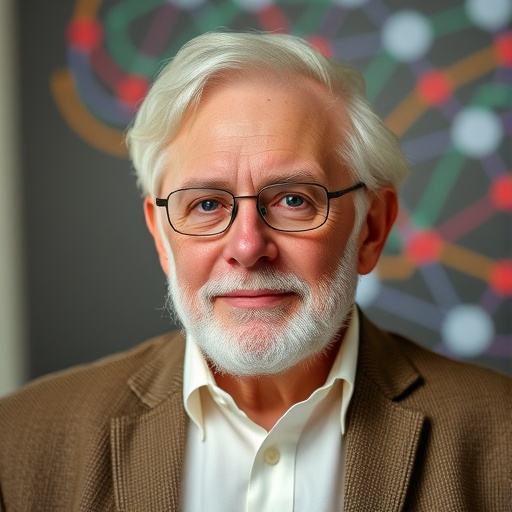
Dr. Marvin Edeas, organizer and chairman of the conference’s scientific board, articulates the imperative for this reframing: “Longevity research has produced extraordinary discoveries, yet implementation remains fragmented. We may need to rethink aging as a loss of biological coordination. The next phase of longevity science will likely focus on restoring resilience across interconnected systems.” This statement succinctly captures the conference’s agenda, advocating for integrative approaches that capitalize on the dynamic interplay of cellular and systemic processes.
Conceptually, interpreting aging as a network failure rather than a single-process degeneration challenges conventional metrics such as lifespan extension or singular biomarker modulation. It invites new research priorities emphasizing the integrity and robustness of system-wide interactions. Investigations into how perturbations in mitochondrial dynamics, immune signaling cascades, or microbiome composition ripple through metabolic pathways and affect function could yield biomarkers of resilience and guide development of sophisticated multi-dimensional interventions.
This systems biology perspective also urges reconsideration of existing animal and human models used for longevity research. Models that emphasize multi-omic integration and longitudinal systems monitoring might better capture the emergent properties of aging. Such approaches demand advanced computational modeling, machine learning applications, and comprehensive datasets spanning genomics, metabolomics, immunomics, and microbiomics. Innovative experimental designs will increasingly focus on cross-disciplinary integration, where bioengineering, clinical medicine, and computational sciences converge.
The potential clinical implications are transformative. Instead of narrowly targeting hallmarks of aging such as telomere attrition or senescent cell accumulation, future therapeutics could aim to recalibrate systemic networks and promote adaptive capacity. Interventions fostering mitochondrial health, modulating the microbiome to fine-tune immune responses, and restoring metabolic flexibility could collectively enhance resilience and delay or prevent the onset of age-associated diseases. This reframing could also recalibrate regulatory frameworks for aging interventions, recognizing multifactorial mechanisms and prioritizing functional outcomes over isolated biomarker changes.
From an industrial and commercial standpoint, embracing a resilience-centric model transforms business strategies. Companies may pivot toward platforms enabling multi-target modulation, personalized network analysis, and holistic health maintenance. The integration of digital health monitoring, biomarker analytics, and tailored therapeutics promises to catalyze new markets and reshape healthcare delivery paradigms focused on aging populations. The alignment of biotechnology innovation with established sectors like cosmetics and health technology reflects the interdisciplinary potential and broad societal impact.
The upcoming congress in Berlin positions itself not merely as a scientific meeting but as a conceptual crucible where the future trajectory of longevity science, therapeutics, and industry coalesce. It is a forum where foundational questions about the essence and drivers of aging will be debated and where consensus might emerge around a new scientific framework prioritizing systemic resilience. The conference embodies the critical recognition that extending human healthspan necessitates stabilizing the complexity of biological networks rather than solely extending chronological lifespan.
Ultimately, Targeting Longevity 2026 invites the scientific community to explore a fundamental shift: aging is not a monolithic decline but a progressive loss of biological harmony. Restoring system-wide coordination holds promise as the next frontier in combating age-related decline. As this new perspective gains momentum, it will reorient research, redefine therapeutic endpoints, and inspire innovative interventions aimed at fostering durable human resilience throughout the lifespan.
This dynamic and integrative view challenges researchers, clinicians, and industry leaders alike to transcend traditional disciplinary boundaries and collaboratively harness the complexity of human biology. The pursuit of longevity science thus enters a new epoch, where resilience and systemic integrity become the cornerstones of discovery and application, offering renewed hope for more effective and holistic approaches to aging and health maintenance.
Subject of Research: Systems-level coordination and resilience in aging; redefinition of aging as a network failure involving mitochondria, microbiota, immune signaling, and metabolic regulation.
Article Title: Targeting Longevity 2026: Rethinking Aging through Systems Resilience and Biological Coordination
News Publication Date: 2026-04-08 (Conference dates)
Web References: http://www.targeting-longevity.com
Image Credits: Credit: @ISM
Keywords
Mitochondrial dysfunction, Translational medicine, Mitochondrial function, Bioengineering, Longevity, Aging, Biological resilience, Systems biology, Immune signaling, Microbiota, Metabolic regulation, Senescence, mTOR signaling
Tags: aging as systems failurebiological coordination in agingcellular senescence researchchallenges in aging molecular pathwayscomprehensive clinical solutions for agingInternational Conference on Targeting Longevity 2026longevity science paradigm shiftmetabolic regulation and agingmTOR signaling in agingresilience in longevity therapiessystem stabilization in aging treatmentsystems biology of aging