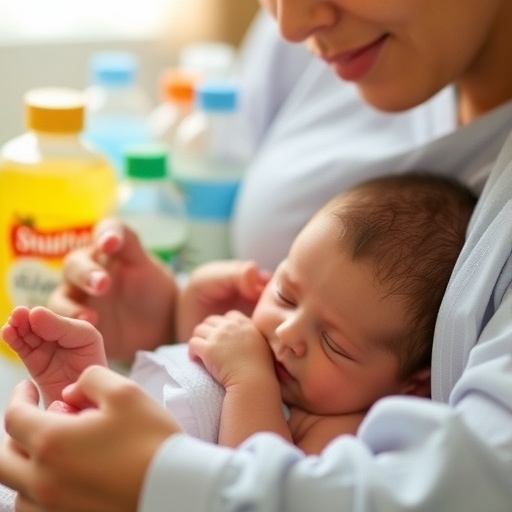
In recent scientific revelations, exposure to di-2-ethylhexylphthalate (DEHP), a chemical extensively utilized to increase plastic flexibility, has been linked to nearly 2 million preterm births globally in 2018 alone. This staggering figure represents over eight percent of all premature births worldwide in that year and underscores a significant but often overlooked public health crisis. DEHP, a member of the phthalate family, permeates many everyday products, including cosmetics, cleaning agents, insect repellents, and household items. The ubiquitous presence of these chemicals in consumer goods and their ability to degrade into tiny particles that infiltrate human bodies through ingestion, inhalation, or dermal contact, has raised alarms within the scientific community regarding their impact on human development, particularly affecting the most vulnerable—newborns.
Preterm birth is a well-known contributor to long-term neurological and developmental disabilities and stands as a leading cause of mortality among infants worldwide. The new comprehensive analysis, spearheaded by researchers at NYU Langone Health, offers the first global estimation connecting the burden of preterm births directly to DEHP exposure, painting a dire picture of the subtle yet pervasive harms of chemical pollutants derived from plastic materials. Their computational simulation and modeling approach synthesized data from over 200 countries and territories to map the extent of DEHP exposure and its consequent health outcomes.
This groundbreaking investigation adopted complex statistical methods to integrate population-level exposure assessments with epidemiological evidence linking phthalate exposure to premature birth. The methodology involved leveraging national survey data predominantly from regions including the United States, Europe, and Canada to approximate the extent of DEHP contamination. For areas lacking direct measurements, such as parts of Asia and Africa, the team extrapolated exposure using validated proxies from earlier studies. By correlating these chemical exposure estimates with global preterm birth and infant mortality rates, the researchers elucidated a compelling link suggesting that the toxic footprint of DEHP is far-reaching, contributing profoundly to neonatal morbidity and mortality.
Quantifying health impacts, the study also highlighted that DEHP exposure potentially resulted in 1.2 million years lived with disability (YLD), emphasizing the chronic burden imposed by chemical toxicity. Such a metric encapsulates not only deaths but also the enduring effect of adverse developmental conditions associated with early birth. Notably, the research illuminated regional disparities in the burden of disease. The Middle East and South Asia account for more than half of the attributable disability cases, correlating with the rapid expansion of plastic manufacturing industries and inadequate waste management systems in these regions. Africa, although responsible for a quarter of the health problems linked to DEHP, accounts for a disproportionate number of deaths, likely reflective of limited healthcare infrastructure and heightened vulnerability to neonatal complications.
Importantly, the team extended their analysis to another phthalate compound, diisononyl phthalate (DiNP), often employed as a substitute for DEHP in plastic production. Alarmingly, DiNP demonstrated a comparable level of association with preterm birth, contributing to nearly 1.9 million cases globally in 2018. This finding calls attention to the pitfalls of substituting one hazardous chemical with another insufficiently studied compound, thereby perpetuating a cycle of exposure risks. The economic ramifications of newborn deaths attributed to these phthalates were immense, with financial consequences spanning from millions to hundreds of billions of dollars across different countries, emphasizing an often-overlooked dimension of environmental health crises.
The study’s senior author, Dr. Leonardo Trasande, Professor of Pediatrics and a renowned figure in environmental pediatrics, stressed the necessity for overarching regulatory measures targeting phthalate chemicals as a class. Conventional regulatory approaches tend to restrict specific chemicals sequentially, enabling manufacturers to replace banned substances with alternative compounds lacking thorough safety evaluation. This practice, colloquially referred to as a “Whac-A-Mole” problem, undermines public health protections by maintaining persistent and evolving chemical exposures. The research underscores the urgency of class-wide policy frameworks that comprehensively limit toxic plasticizers to safeguard maternal-fetal health and prevent enduring developmental sequelae.
However, the investigators caution that the current findings are not definitive proof of a direct causal link between DEHP/DiNP and preterm birth but rather robust estimates derived from modeling existing data. Variability and uncertainties inherent in exposure assessments and epidemiological associations were addressed by considering a range of possible outcomes, with conservative estimates still indicating a substantial health burden. The nuances of this uncertainty indicate an urgent need for more refined epidemiological studies incorporating molecular biomarkers and longitudinal follow-ups to validate and expand upon these global estimates.
This work represents a pivotal contribution to environmental health science, providing policymakers and public health stakeholders with a compelling rationale to prioritize chemical exposure reduction strategies, particularly in regions disproportionately bearing the brunt of plastic pollution and its health ramifications. As phthalates and their substitutes continue to infiltrate the biosphere, understanding their implications on reproductive and neonatal health remains paramount for guiding interventions and designing safer alternatives.
NYU Langone’s commitment to uncovering and disseminating knowledge on environmental contributors to chronic disease is exemplified by this research. The implications reach far beyond neonatal health, touching on the wider societal and economic burden imposed by plastic-associated toxins. By honoring the interconnected nature of environmental exposures and human health, such studies pave the way for more integrative and preventive public health strategies in an increasingly chemical-laden world.
In summation, the association of DEHP and DiNP with significant global preterm birth rates and infant mortality underscores a pressing, yet underappreciated, dimension of the plastic pollution crisis. Strengthened regulatory oversight, elevated public awareness, and innovative alternatives to harmful phthalates are urgently needed to curtail this silent epidemic. Future research must continue to unravel mechanistic pathways and refine exposure assessments to better protect future generations from the insidious effects of plastic additives.
Subject of Research: People
Article Title: Preterm birth attributable to exposure to chemicals used in plastic materials: a global estimate
News Publication Date: 31-Mar-2026
Web References:
DOI link – http://dx.doi.org/10.1016/j.eclinm.2026.103842
References: Provided in the published article in eClinicalMedicine journal
Keywords: Premature birth, Endocrine disruptors, Childbirth, Infant mortality, Mortality rates, Environmental health, Environmental illness, Environmental policy, Plastics
Tags: chemical pollutants in household items and pregnancycomputational modeling of chemicalDEHP and neurological development in newbornsdi-2-ethylhexylphthalate (DEHP) health risksenvironmental toxins and premature birth ratesglobal impact of phthalates on pregnancyphthalate contamination in consumer productsphthalate toxicity and prenatal developmentplastic additives and preterm birthsplastic chemical exposure and infant healthpublic health crisis from plastic pollutantsworldwide preterm birth statistics linked to plastics