Revolutionizing Regenerative Medicine: How Zebrafish Rebuild Kidney Plumbing
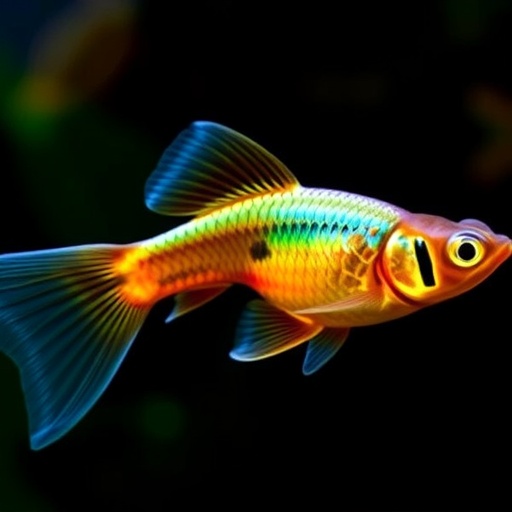
In the quest to decipher the mysteries of organ regeneration, scientists have turned to an unlikely source — the zebrafish, a small freshwater fish capable of regenerating damaged kidney tissue through an intricate biological dance. Unlike humans, whose kidneys lose functional units called nephrons irreversibly when injured, zebrafish can replace these vital filtration units. This remarkable ability highlights a frontier in regenerative biology that could reshape treatments for chronic kidney disease, currently ranked as the ninth leading cause of death worldwide.
Chronic kidney disease in humans stems from the progressive loss of nephrons, critical tubules responsible for filtering blood and excreting waste through urine. Despite advancements in medicine, adult human kidneys lack the capacity to regrow these nephrons once lost. The dire consequences include fluid imbalance, toxin accumulation, and severe systemic symptoms like fatigue and shortness of breath. Yet, nature offers hope through species like zebrafish, which demonstrate the capability not only to regenerate nephrons but also to integrate them seamlessly into existing renal architecture.
Researchers at the MDI Biological Laboratory’s Kathryn W. Davis Center for Regenerative Biology and Aging have uncovered striking details into this regenerative feat. Their recent publication in the journal Development delves into how zebrafish solve the formidable challenge of reconnecting newly formed kidney tubules, essentially plumbing, to their existing network. This integration is essential—new nephrons must connect precisely to preexisting tubules to ensure the fluid flows correctly, effectively maintaining kidney function.
The crux of this regenerative process lies in a highly coordinated cellular choreography occurring where the nascent nephron meets an old tubule. Instead of passively growing beside one another, a small cohort of cells alters their morphology by extending finger-like protrusions toward neighboring tissue, initiating the physical fusion of new and old structures. Remarkably, cells merely one unit apart perform drastically different roles—while one set reaches out to establish connections, the adjacent population divides rapidly, contributing to the growth and specialization of the new tubule.
This dual functionality highlights a profound biological specialization at the cellular level. The formation of physical connections allows the passage of filtrate, the fluid processed by the kidney, ensuring newly regenerated nephrons are not isolated but active participants in kidney physiology. At the same time, the adjoining cells focus on building the structural and functional components necessary for the kidney’s filtration capabilities, displaying a sophisticated division of labor during regeneration.
Molecular signaling pathways underpin this biological architecture, with the study focusing on the Wnt signaling system, an evolutionarily conserved cellular communication cascade involved in development and regeneration across species. The researchers identified two distinct branches of this pathway operating in opposition to finely tune the timing and location of nephron integration. The canonical Wnt pathway governs general cellular proliferation and differentiation, while a second, non-canonical branch mediated by a cell-surface receptor called fzd9b acts as a molecular switch orienting the new connection’s spatial alignment.
This intricate signaling interplay ensures that cells know precisely when to grow, when to connect, and when to cease dividing to stabilize newly formed junctions. The proper establishment of this junction is paramount; without a sealed, functional connection, fluid could leak or become misdirected, leading to organ failure. The zebrafish’s approach exemplifies a blueprint for ensuring that regenerated tissue does not exist in isolation but becomes an integrated and active component of the organ system.
This insight has profound implications beyond fish biology. Dr. Iain Drummond, Scientific Director at MDI Bio Lab, highlights that the bottleneck facing regenerative medicine today is not the ability to grow tissues in a lab but integrating these tissues functionally into living organs. Lab-grown kidney organoids or bio-printed tissues have struggled to replicate the complex plumbing that allows real kidneys to filter blood efficiently. Without this plumbing connection, even structurally perfect tissues remain biological curiosities, unable to restore organ function.
Moreover, the moment that fluid starts to flow through newly formed tubules signals dynamic cellular changes that promote stability and maturation of regenerated tissue. This functional feedback loop may be critical for the long-term viability of engineered organs. Understanding how zebrafish orchestrate these cellular events provides a roadmap for enhancing the durability and utility of lab-grown tissues, pushing regenerative medicine closer to therapeutic reality.
The study’s findings open the door to reimagining treatments for kidney injury and disease, potentially enabling the human body to renew lost nephrons or allowing bioengineered kidneys to integrate seamlessly post-transplantation. This convergence of developmental biology, cellular signaling, and regenerative medicine exemplifies how fundamental research in model organisms can illuminate pathways to human health breakthroughs.
As regenerative medicine shifts its emphasis from tissue construction to restoring integrated function, the zebrafish provides a living model of success. The challenge ahead is to translate this intricate cellular choreography and molecular signaling into clinical applications. The hope is that, one day, therapies inspired by these discoveries will enable patients with kidney disease not only to survive but to regain full kidney function — a scientific leap that could transform millions of lives worldwide.
Subject of Research: Animals
Article Title: Reciprocal inhibition of Wnt signaling pathways pattern the interconnection of epithelial tubules in the regenerating zebrafish kidney
News Publication Date: 20-Feb-2026
Web References: http://dx.doi.org/10.1242/dev.205074
Image Credits: Caramai Kamei, Ph.D., Iain Drummond, Ph.D., Kathryn W. Davis Center for Regenerative Biology and Aging at MDI Biological Laboratory
Keywords: Regenerative medicine, zebrafish kidney regeneration, nephron regeneration, Wnt signaling pathways, tissue engineering, kidney disease, epithelial tubules, organoid integration, kidney plumbing, cellular signaling
Tags: biological pathways in renal repairchronic kidney disease treatment advanceskidney filtration unit regenerationMDI Biological Laboratory kidney studiesnephron integration in kidney architecturenephron replacement in zebrafishregenerative biology of kidneysregenerative medicine for kidney failurerenal tissue repairzebrafish kidney regenerationzebrafish model for kidney researchzebrafish organ regeneration mechanisms