In a groundbreaking advancement for Parkinson’s disease treatment, researchers from the CSP468 cohort have unveiled compelling new findings on the predictors of motor outcome following pallidal deep brain stimulation (DBS). This multifaceted study promises to revolutionize how clinicians and scientists approach the optimization of DBS therapy, a cornerstone intervention for individuals battling the debilitating motor symptoms of Parkinson’s disease. The investigation used state-of-the-art neurophysiological and clinical metrics, integrating a vast array of data to parse out which patient variables most robustly forecast therapeutic success.
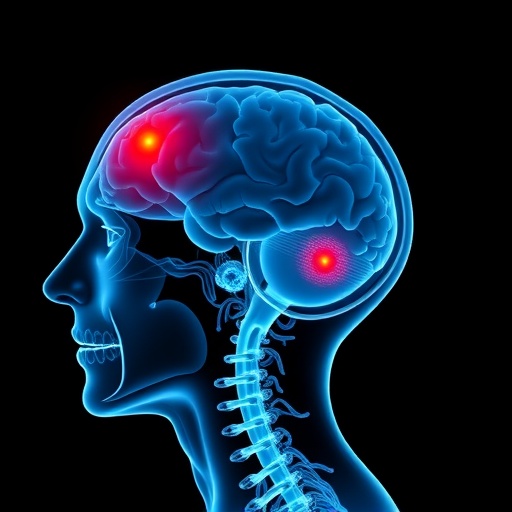
Parkinson’s disease, a progressive neurodegenerative disorder characterized primarily by motor deficits—including tremor, rigidity, bradykinesia, and postural instability—has long challenged the medical community in terms of precision treatment. The globus pallidus internus (GPi), a deep brain structure within the basal ganglia, is a critical target for modulation due to its integral role in movement regulation circuits that malfunction in Parkinson’s pathology. DBS targeting the GPi modulates aberrant neural activity, alleviating motor symptoms by disrupting pathological rhythms and restoring motor circuit dynamics.
The CSP468 cohort, encompassing a meticulously curated group of Parkinson’s patients undergoing pallidal stimulation, provided an invaluable dataset for this inquiry. By assessing a multitude of baseline characteristics—from clinical severity scales and neuroimaging biomarkers to genetic markers and electrophysiological patterns—the researchers embarked on an ambitious quest to delineate which factors independently and synergistically predict motor outcomes post-DBS. This large-scale data-driven approach overcomes previous limitations of small sample size and heterogeneity in patient populations.
One of the standout revelations involved the preoperative motor symptom profile: patients exhibiting predominant bradykinesia and rigidity, rather than tremor-dominant phenotypes, demonstrated significantly greater motor score improvements after pallidal stimulation. This aligns with the understanding that the GPi’s modulatory influence is most potent over pathways subserving bradykinesia and rigidity, reinforcing the necessity of nuanced symptom characterization in surgical candidacy evaluation.
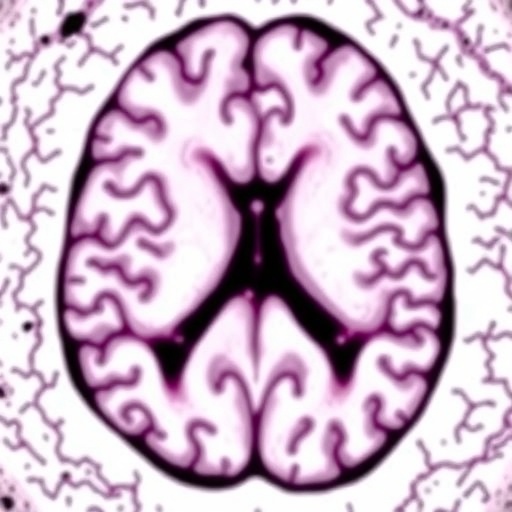
Equally transformative were the insights gleaned from advanced neuroimaging modalities such as diffusion tensor imaging (DTI) and functional MRI (fMRI). The study identified that patients with preserved integrity of pallidothalamic and pallidosubthalamic tracts evidenced markedly enhanced responses, indicating that white matter connectivity status is a potent biomarker for DBS responsiveness. This heralds a new era in personalized DBS targeting and parameter tuning, emphasizing structural and functional brain network assessments.
In parallel, electrophysiological recordings acquired intraoperatively and postoperatively unveiled a crucial electrophysiological signature: lower baseline beta-band oscillatory activity in the GPi predicted a more favorable motor trajectory post-stimulation. This observation corroborates prior theories regarding pathologically elevated beta oscillations underpinning motor symptoms in Parkinson’s disease and suggests that baseline neural oscillation metrics could serve as real-time biomarkers for tailoring DBS settings.
Importantly, the research underscores the multifactorial nature of motor outcome prediction; beyond clinical and neurophysiological metrics, it reveals the influence of demographic variables, including age at surgery and disease duration. Younger patients with shorter symptom duration consistently fared better, supporting the notion that earlier intervention could capitalize on residual neural plasticity and minimize disease-induced circuit degeneration.
The findings from this study impart critical implications for the future design and utilization of DBS in Parkinson’s disease. By integrating neuroanatomical, clinical, and electrophysiological data within predictive modeling frameworks, the research team has pioneered avenues toward precision neuromodulation. Clinicians can now prospectively stratify patients who are most likely to benefit from pallidal stimulation, enabling more informed surgical decision-making and individualized therapy planning.
Additionally, this work sets the stage for exploring adaptive DBS paradigms, whereby feedback from electrophysiological activity could dynamically modulate stimulation parameters in real time. The identified neural signatures predictive of motor improvement provide foundational data to develop closed-loop systems, which may enhance symptom control while minimizing adverse effects.
The methodology employed—leveraging a large, well-characterized cohort to perform integrative analyses—addresses inherent challenges in DBS research, including heterogeneity in patient symptomatology and variability in surgical targeting. This careful study design enhances the generalizability of the findings and offers a replicable template for future investigations in neuromodulation therapies for movement disorders.
Furthermore, these discoveries open exciting possibilities for interdisciplinary collaboration, bringing together neurologists, neurosurgeons, bioengineers, and computational neuroscientists. The convergence of clinical expertise and cutting-edge analytic tools exemplifies how the field is evolving towards a holistic understanding of brain stimulation’s therapeutic mechanisms.
In the broader context of Parkinson’s disease management, this study exemplifies a paradigm shift from a one-size-fits-all approach to a tailored therapeutic strategy informed by a patient’s unique neural architecture and clinical profile. Such refinement in treatment personalization is anticipated to profoundly improve quality of life for countless individuals living with Parkinson’s disease worldwide.
Ethical considerations, including equitable access to advanced neuroimaging and neurophysiological diagnostics requisite for predictive modeling, are vital as these innovations translate into clinical practice. The democratization of precision neuromodulation will depend on healthcare infrastructure investment and global collaborative networks.
Overall, the CSP468 cohort study’s impactful contributions position pallidal DBS not only as a symptom-modulating intervention but as an exemplar of precision neuromedicine. By harnessing multimodal biomarkers to forecast motor outcomes with unprecedented accuracy, this research marks a transformative leap in the fight against Parkinson’s disease.
As the scientific community digests these findings, emphasis will likely shift towards refining algorithms that predict individual response profiles and developing next-generation DBS devices capable of implementing these insights. The promise of tailored therapy is on the horizon, propelled by this landmark study.
Given the escalating burden of Parkinson’s disease globally, breakthroughs such as these underscore the imperative for continued investment in neuroscience research. The path toward fully personalized brain stimulation therapies is complex but increasingly illuminated by the beacon of integrative, data-rich studies like the CSP468 cohort analysis.
This landmark research not only provides hope for enhancing motor outcomes in Parkinson’s disease but also illuminates a future where neurological disorders are met with customized, dynamic interventions. The pursuit of understanding brain circuitry in exquisite detail continues to unlock unprecedented therapeutic potentials, with pallidal stimulation now riding at the forefront of this exciting frontier.
Subject of Research:
Predicting motor outcome following pallidal deep brain stimulation in Parkinson’s disease patients
Article Title:
Predictors of motor outcome with pallidal stimulation for Parkinson’s disease from the CSP468 cohort
Article References:
D’Souza, S., Batheja, A., Chen, J. et al. Predictors of motor outcome with pallidal stimulation for Parkinson’s disease from the CSP468 cohort. npj Parkinsons Dis. (2026). https://doi.org/10.1038/s41531-026-01312-z
Image Credits: AI Generated
Tags: basal ganglia modulation in Parkinson’sbradykinesia and rigidity treatment outcomesclinical predictors of motor improvementCSP468 Parkinson’s cohort studygenetic factors influencing DBS responseGPi targeting in Parkinson’s therapyneuroimaging biomarkers for DBS efficacyneurophysiological markers for DBS successoptimization of pallidal stimulation therapypallidal deep brain stimulation outcomesParkinson’s disease motor symptom predictorsprecision treatment for Parkinson’s disease