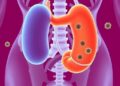
A groundbreaking study from Emory University has unveiled a novel biological pathway by which gut bacteria can translocate directly to the brain in mice, prompting a paradigm shift in our understanding of the gut-brain axis and its implications for neurological health. Spearheaded by researchers David Weiss and Arash Grakoui, the investigations published in PLOS Biology on March 12, 2026, meticulously delineate how a high-fat diet disrupts the gut microbiome and increases intestinal permeability, thereby facilitating the migration of bacteria through the vagus nerve into neural tissues. This revelation is particularly significant given the rising prevalence of neurological disorders such as Alzheimer’s, Parkinson’s, and autism spectrum disorders, conditions where gut-brain interplay has long been hypothesized but seldom directly observed.
The gut microbiome, a complex and dynamic consortium of microorganisms residing primarily in the gastrointestinal tract, has been increasingly recognized for its systemic influences on host physiology. Prior to this study, the communication between gut bacteria and the brain was largely understood to occur indirectly through immune modulation, neuroendocrine signaling, and microbial metabolite secretion. However, the direct physical translocation of viable bacteria from the gut lumen to the central nervous system had remained an elusive and controversial hypothesis, largely hindered by the impermeability of the blood-brain barrier and the complexity of neural environments.
Weiss and Grakoui’s experimental design involved feeding murine models a high-fat diet, a regimen well-documented to disturb gut microbial composition, leading to dysbiosis and increased gut epithelial barrier permeability—or “leaky gut.” The compromised barrier function likely enables bacteria, normally confined to the intestinal lumen, to infiltrate systemic circulation or neural pathways. Innovative imaging techniques, coupled with bacterial tracing methods, provided compelling evidence that bacteria traverse along the vagus nerve, a cranial nerve known to innervate the gastrointestinal tract and serve as a bidirectional communication conduit between the gut and brain.
Crucially, the researchers demonstrated reversibility of this phenomenon. When mice were switched back to a standard diet, the bacterial presence within the brain diminished significantly, indicating a dynamic and diet-dependent modulation of microbial translocation. This finding highlights not only the plasticity of gut-brain interactions but also the potential for therapeutic intervention via dietary or microbiome-targeted strategies. The study further confirmed the presence of a low, yet detectable, bacterial load in brain tissues of mice genetically modeled to recapitulate human neurodegenerative and neurodevelopmental disorders without dietary manipulation, underscoring a potentially broader biological relevance.
This direct bacterial migration challenges existing tenets of neuroimmunology and microbial ecology by implicating the vagus nerve as a physical highway for microbial dispersal to the brain, thereby bypassing traditional vascular routes and immune defenses. Such translocation might initiate or exacerbate neuroinflammation, a hallmark pathology observed across a spectrum of brain diseases. The researchers postulate that bacterial colonization or their associated molecular patterns could trigger or amplify pathological cascades, contributing to neuronal dysfunction or degeneration.
The implications of these findings are vast, suggesting that gut bacteria might not merely influence neurological disease through metabolic or immune modulation but could physically contribute to the disease milieu by breaching neural sanctuaries. If such mechanisms translate to humans, they may open new avenues for diagnostics and treatments, including gut microbiome modulation, vagal nerve interventions, and barrier integrity preservation. Nonetheless, the authors emphasize the necessity for further research to establish the presence and pathogenicity of this pathway in human disorders and to dissect the molecular interactions underpinning bacterial survival and transport along neural tissues.
Moreover, this study adds an intriguing layer to the gut-brain axis field, integrating neuroanatomy, microbiology, and immunology toward a more holistic understanding of brain health. It propels scientific inquiry beyond the previously accepted paradigms by highlighting a heretofore uncharacterized mode of communication that may be a missing piece in the puzzle of neurodegenerative and neurodevelopmental disease mechanisms. The established association between dietary patterns, microbiome composition, and neurological health reinforces public health imperatives surrounding nutrition and opens translational possibilities for personalized medicine.
From a methodological perspective, the experimental approach was robust, employing animal models across different neurological disease backgrounds, rigorous imaging modalities, and controlled dietary regimens. The interdisciplinary effort between microbiologists, neuroscientists, and immunologists exemplifies the integrative research necessary to tackle complex biological questions. Furthermore, the absence of competing interests declared by the authors underscores the objectivity and transparency of the research presented.
This study carries the potential to catalyze a new wave of investigations into microbial translocation, neuroimmune interactions, and neurodegeneration. It beckons the scientific community to re-examine current neurotherapeutic strategies and consider the gut microbiome as a direct therapeutic target in neurological disease management. While the translation to human physiology remains to be proven, the foundational groundwork laid by Weiss, Grakoui, and colleagues offers a compelling blueprint for future exploration into the enigmatic dialogue between our microbiota and our minds.
As neurological diseases continue to rise globally, with their etiologies often enigmatic, the discovery of a physical microbial route to the brain invites a rethinking of causative factors, beyond genetics or environmental toxins. This could profoundly affect how we perceive disease onset and progression, emphasizing the gut’s systemic influence. Ultimately, this research sheds light on the profound interconnectedness of bodily systems and heralds a new frontier in neuroscience and microbiology.
Subject of Research: Animals
Article Title: Translocation of bacteria from the gut to the brain in mice
News Publication Date: March 12, 2026
Web References: http://dx.doi.org/10.1371/journal.pbio.3003652
References: Thapa M, Kumari A, Chin C-Y, Choby JE, Akbari E, Bogati B, et al. (2026) Translocation of bacteria from the gut to the brain in mice. PLoS Biol 24(3): e3003652.
Image Credits: Created in BioRender. Arash Grakoui (CC-BY 4.0)
Keywords: gut microbiome, high-fat diet, bacterial translocation, vagus nerve, brain, neurodegenerative diseases, neurodevelopmental disorders, gut-brain axis, intestinal permeability, neuroinflammation, Alzheimer’s, Parkinson’s, autism spectrum disorder
Tags: Alzheimer’s disease and gut-brain connectionautism spectrum disorder gut-brain interactiondirect bacterial translocation to central nervous systemgut bacteria migration to braingut microbiome disruption in micegut microbiome impact on neuroinflammationgut-brain axis mechanismshigh-fat diet and gut microbiomeintestinal permeability and neurological healthneurological disorders and gut bacteriaParkinson’s disease gut microbiome linkvagus nerve bacterial translocation