A groundbreaking investigation by researchers at the University of Helsinki is shedding new light on the relationship between wood surface treatments and bacterial survival, revealing profound implications for both public health and material science. The study meticulously analyzed how untreated and chemically treated wood surfaces influence the adhesion, survival, and transmission of bacterial species commonly found in indoor environments. This research challenges conventional perspectives on surface hygiene and opens avenues for reconsidering material use in everyday settings ranging from homes to healthcare environments.
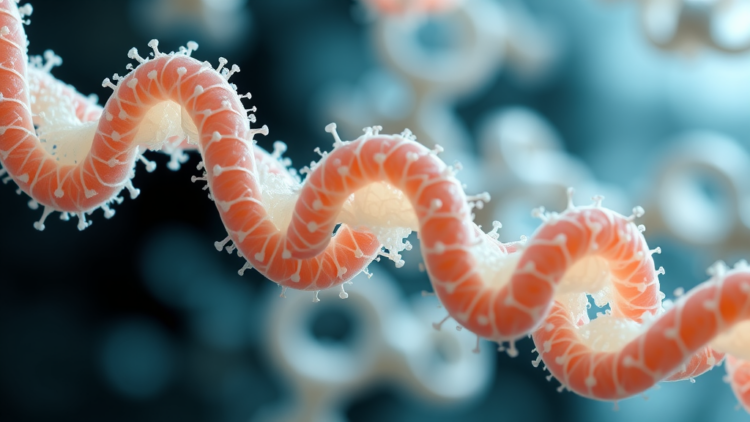
The research primarily focused on two bacterial species: Staphylococcus epidermidis and Pseudomonas aeruginosa. Staphylococcus epidermidis is a ubiquitous component of the human skin microbiota, mostly harmless, but instrumental in understanding routine bacterial transfer between humans and their environment. In contrast, Pseudomonas aeruginosa is a resilient pathogen notorious for causing infections, especially in immunocompromised individuals, due to its remarkable ability to endure harsh environmental conditions. By studying these organisms, the research team was able to capture a spectrum of bacterial behaviors and survival strategies on different wood substrates.
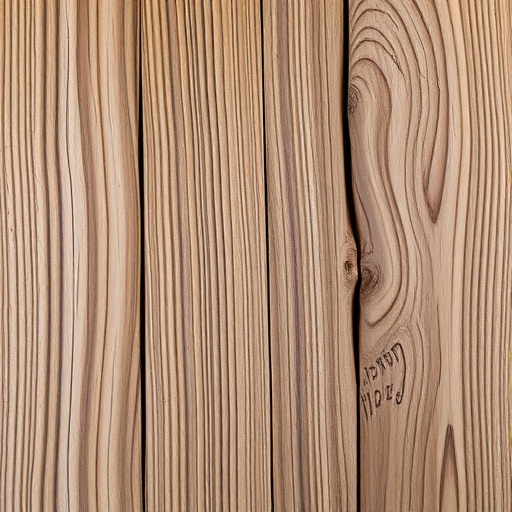
Laboratory experiments revealed that untreated wood surfaces supported a higher bacterial load and sustained viability for longer durations compared to their treated counterparts. This observation was consistently seen with both bacterial species under controlled conditions. The untreated wood’s natural porosity and surface chemistry appear to foster microenvironments conducive to bacterial survival and maintain a more diverse microbial community. Such findings suggest that chemical treatments designed to enhance wood durability might inadvertently suppress bacterial vitality and diversity on these surfaces.
Dr. Elina Kettunen, the lead doctoral researcher behind the study, emphasized that surface treatment profoundly modulates the microbiota by reducing both the abundance and diversity of bacteria. This relationship between surface chemistry and microbial ecology could directly impact hygiene and infection risks in indoor environments where wood materials are prevalent. Interestingly, untreated wood may play a beneficial role by preserving beneficial microbial species, thereby contributing positively to the indoor microbiome.
The study seamlessly integrated laboratory and field methodologies, allowing the researchers to validate their controlled findings in real-world settings. While laboratory conditions permitted precision in assessing bacterial behaviors on treated and untreated wood, field experiments conducted in public spaces unveiled the dynamic nature of microbial communities interacting with environmental variables. These investigations demonstrated that bacterial survival is not only a function of material properties but is also modulated by the complex interplay of competing microbial populations and environmental factors such as temperature, humidity, and human contact frequency.
In the controlled lab setting, Staphylococcus epidermidis exhibited enhanced survival on untreated wood, whereas treated surfaces demonstrated diminished bacterial retention. This phenomenon was echoed in the diverse and abundant bacterial communities observed on untreated wood in field studies, suggesting that the intrinsic properties of wood—including its chemical composition and physical texture—play a pivotal role in shaping microbial ecology. However, the natural environment introduces variables that can enhance or diminish these effects, highlighting the intricacy of microbial ecosystem dynamics on indoor surfaces.
Although the study’s scope was limited to a selected set of materials and bacterial species, its findings offer valuable preliminary insights into the wider implications of material selection in construction and interior design. Surface treatments commonly applied to wood for longevity and aesthetic purposes might have unintended consequences on microbial colonization and survival, potentially altering the indoor microbiota in ways significant for human health.
Associate Professor Tuula Jyske, a co-author specializing in Wood Material Science, speculates that these discoveries could revolutionize approaches to managing indoor environmental health. Material durability, microbial control, and hygiene are intertwined concerns in building science, and understanding how wood surface treatments influence microbial populations could drive innovation in developing new materials. Such advancements might lead to wood finishes tailored to balance microbial suppression of pathogenic species while encouraging beneficial microbial communities, perhaps even creating probiotic indoor surfaces.
These results emphasize the necessity for further longitudinal studies that assess a broader spectrum of microbial taxa across varied environmental and material conditions. By expanding the scope beyond laboratory strains to include complex microbial consortia, future research could comprehensively delineate how surface treatments drive microbial succession, stability, and pathogenic potential over time. This knowledge is pivotal for designing healthier indoor spaces where microbial life contributes positively to human well-being rather than posing threats.
Moreover, the integration of microbial ecology into material science heralds a paradigm where the microbiome is valued as a functional component of indoor environments rather than merely a source of contamination. Understanding ecological principles governing microbial communities on surfaces like wood raises the potential for innovative strategies that harness microbial functions, such as natural antimicrobial activity and competitive exclusion of pathogens, through targeted material design.
The implications of this research extend beyond domestic interiors to clinical and public settings where surface hygiene plays a critical role in infection control. If untreated wood surfaces indeed maintain a more balanced and viable microbial community while mitigating harmful pathogens, this insight could influence protocols for material choice in hospitals, schools, and public transport, facilitating safer and more sustainable environments.
This study also invites a reevaluation of the antimicrobial coatings traditionally employed in wood treatment. Instead of indiscriminate microbial elimination, future treatments inspired by these findings might aim for selective modulation—curbing pathogenic bacteria while supporting the beneficial microbiota that contribute to indoor air quality and occupant health. Such precision in microbial management could integrate seamlessly with smart building technologies focused on environmental monitoring and adaptive hygiene strategies.
Ultimately, this research bridges disciplines, blending microbial ecology with material innovation to inspire a holistic approach to indoor environmental health. It serves as a clarion call for architects, material scientists, microbiologists, and public health specialists to collaborate in designing the indoor ecosystems of tomorrow, where material choice is informed not only by aesthetics and durability but also by its intricate relationship with microbial life and human well-being.
The University of Helsinki’s findings spotlight untreated wood as a material of interest in microbial ecology, potentially reshaping furniture and construction material standards worldwide. As further investigations expand upon these insights, they hold the promise of fostering indoor environments that are not only physically safe and comfortable but also biologically harmonious and health-supporting.
Subject of Research: Bacterial adhesion, survival, and transmission on untreated and treated wood surfaces in indoor environments.
Article Title: From antimicrobial activity to microbial ecology: Untreated and treated wood surfaces shape bacterial survival and community diversity in indoor environments
News Publication Date: 1-May-2026
Web References: http://dx.doi.org/10.1016/j.hazadv.2026.101090
References: Not available in the source content.
Image Credits: Not provided.
Keywords: Wood surface treatment, bacterial survival, Staphylococcus epidermidis, Pseudomonas aeruginosa, microbial ecology, indoor microbiota, material science, surface hygiene, microbial community diversity, antimicrobial coatings, indoor environmental health, probiotic surfaces.
Tags: antimicrobial wood coatingsbacterial survival on woodbacterial transmission on materialsindoor bacterial contaminationmicrobiota interaction with woodPseudomonas aeruginosa resistanceStaphylococcus epidermidis adhesionsurface treatment and public healthtreated vs untreated wood surfaceswood hygiene in healthcarewood materials in infection controlwood surface antibacterial treatment