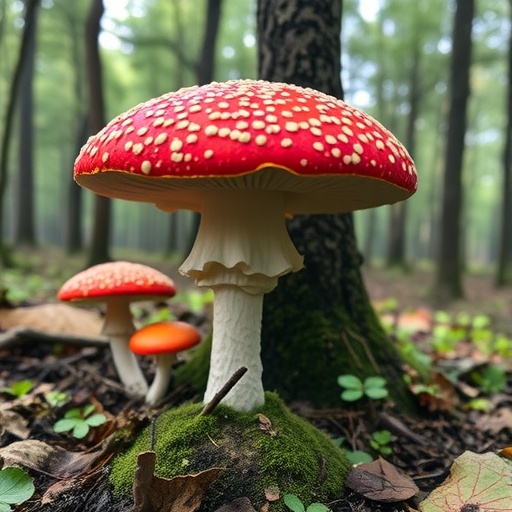
In recent years, the decriminalization of psilocybin—the psychoactive compound found in certain species of mushrooms—has become a topic of intense discussion and scrutiny within both medical communities and policy-making arenas. A new study recently published in JAMA probes deeply into the public health impacts of such regulatory changes by examining the patterns of psilocybin use in Oregon and Colorado. These two states, pioneers in decriminalization policies, offer a unique empirical landscape to understand how legal shifts translate into behavioral changes among the populace over the course of a year.
The research meticulously quantifies the twelve-month prevalence of psilocybin consumption, analyzing survey data collected before and after decriminalization policies were enacted. This temporal comparison allows for robust inference on whether easing legal restrictions correlates with an increase in use. The findings indicate a notable uptick in psilocybin utilization, underscoring the significant societal ripple effects stemming from legislative reforms. This data emerges from a rigorous epidemiologic framework designed to isolate the impact of decriminalization from other confounding factors like cultural trends or media coverage.
Scientifically, psilocybin acts on the brain’s serotonin receptors, primarily the 5-HT2A receptor subtype, inducing altered states of consciousness often described as mystical or transformative experiences. Medical research has shown promising therapeutic potential in treating conditions such as depression, anxiety, and PTSD when controlled and supervised usage occurs. The study’s context situates these therapeutic prospects alongside shifts in recreational and unsupervised consumption patterns, raising important questions about public health surveillance and harm reduction strategies post-decriminalization.
Understanding legal frameworks is essential to contextualizing these findings. Oregon’s groundbreaking Measure 109 authorized supervised psilocybin services, creating a state-regulated industry aimed at therapeutic administration. Meanwhile, Colorado’s decriminalization primarily reduces criminal penalties for possession and use without establishing a formal regulatory apparatus. This contrast offers fertile ground for comparing the nuances in psilocybin use dynamics across different policy implementations and enables assessment of regulatory stringency’s role in consumption trends.
The increase in psilocybin use could be interpreted through several lenses. One perspective highlights that reduced stigma and fear of legal repercussions naturally encourage openness and usage, reflecting a normalization process in substance use behavior. Another line of reasoning posits that increased access, whether through informal channels or emerging legal services, facilitates greater experimentation and routine use. The study stresses the importance of ongoing research into the long-term effects of these consumption patterns on mental health, social functioning, and addiction potential.
Critically, the study’s methodology incorporates advanced statistical modeling techniques to adjust for potential biases inherent in self-reported drug use data, such as underreporting due to social desirability bias. It also employs difference-in-differences analysis to compare states with and without decriminalization over identical timeframes, thereby enhancing the validity of causal assertions. These technical facets underscore the commitment to scientific rigor and heighten confidence in the robustness of the reported increases.
The broader implications of this study resonate at multiple levels of public discourse. For policymakers, the findings illuminate the complex interplay between drug laws and public behavior, informing decisions on regulation, harm reduction, and health education campaigns. For medical professionals and researchers, the documented trends emphasize the urgency to expand clinical knowledge on psilocybin’s safety profiles and appropriate therapeutic settings. For communities, the results provoke reflection on societal attitudes toward psychoactive substances and the potential need for tailored outreach to mitigate misuse.
Moreover, the study points to a shifting paradigm in drug policy that balances the historically punitive stance toward psychedelics with emerging recognition of their therapeutic merits and comparatively low physiological toxicity. Yet, the researchers caution that decriminalization alone does not equate to free access or unfettered benefit but necessitates structured frameworks to optimize public health outcomes. This translates to calls for integrated approaches incorporating prevention, education, and monitored therapeutic use.
Another noteworthy consideration arises from the intersection of criminology and health sciences explored in this study. By alleviating legal penalties for psilocybin, social justice dimensions come into play, potentially reducing racial and socioeconomic disparities linked to drug enforcement policies. The findings contribute empirical evidence supporting the contention that decriminalization might decrease incarceration rates and associated societal harms, while simultaneously influencing patterns of drug consumption.
From a mycological perspective, the study rekindles scientific and cultural interest in fungi that produce psilocybin, a natural compound with profound neuropharmacological effects. This biogenic substance’s re-emergence into mainstream consciousness challenges previously held notions and underscores the importance of understanding fungal biodiversity and biochemistry for future therapeutic exploration. Such research pathways could propel novel drug development beyond current compounds.
In summary, this comprehensive analysis of psilocybin use following decriminalization in Oregon and Colorado represents a significant advance in addiction medicine and drug policy research. Its findings serve as a foundational reference point for stakeholders aiming to craft evidence-based policies that harmonize public safety, individual autonomy, and scientific innovation. As the landscape evolves, further longitudinal studies will be essential to elucidate the enduring impacts of these historic policy shifts.
The study’s corresponding author, Dr. Joshua C. Black, PhD, affiliated with the Rocky Mountain Public Data Sciences (RMPDS), invites further academic and policy engagement through direct correspondence. This openness highlights the collaborative ethos necessary to navigate the complex sociomedical terrain surrounding psychedelic substances in the 21st century.
This emerging body of knowledge calls for nuanced dialogue among clinicians, lawmakers, researchers, and the public at large. Positioned at the confluence of criminal justice reform, emergent pharmacotherapies, and societal transformation, psilocybin decriminalization raises fundamental questions about the future of drug regulation and mental health care. The analysis published in JAMA stands as a crucial milestone in understanding these dynamic shifts and grounding them within empirical reality.
Subject of Research: Increase in 12-month psilocybin use associated with decriminalization in Oregon and Colorado.
Article Title: [Not provided]
News Publication Date: [Not provided]
Web References: [Not provided]
References: (doi:10.1001/jama.2026.1952)
Image Credits: [Not provided]
Keywords: Psilocybin, Decriminalization, Psychedelic Therapy, Public Health, Drug Policy, Epidemiology, Oregon, Colorado, Mental Health, Legal Reform, Mycology, Criminology
Tags: behavioral changes post-psilocybin legalizationColorado psychedelic policy analysisepidemiology of psychedelic drug usemedical research on psilocybin therapymystical experiences induced by psilocybinOregon psilocybin studypsilocybin decriminalization impactpsilocybin legalization statespsilocybin use trends 2023psychedelic drug regulatory impactpublic health effects of psilocybinserotonin 5-HT2A receptor effects