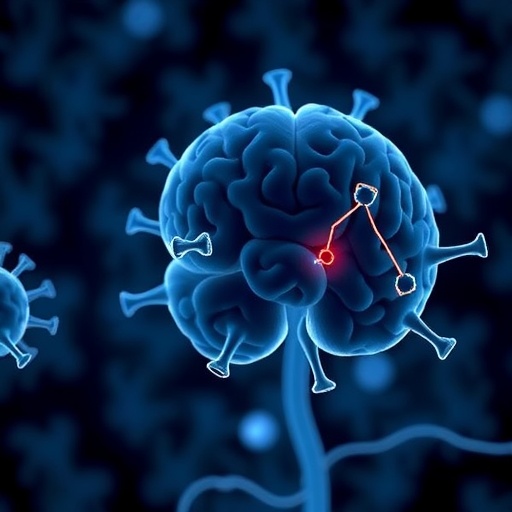
In the wake of the COVID-19 pandemic’s global impact, researchers have turned their attention to understanding the long-term ramifications of antenatal exposure to SARS-CoV-2 on early childhood neurodevelopment. A groundbreaking study published in Pediatric Research by Weiner, Andescavage, and Mulkey delves deep into this critical issue, aiming to uncover how prenatal infection influences the developing brain in infants and toddlers. As the medical community grapples with the evolving consequences of COVID-19, this research offers crucial insights that are not only timely but potentially transformative for pediatric healthcare.
The study’s focus centers on the intricate relationship between antenatal SARS-CoV-2 infection and neurodevelopmental outcomes in early childhood, a period characterized by rapid neuronal growth and plasticity. Importantly, the authors emphasize the distinction between mild maternal symptoms and severe COVID-19 cases during pregnancy, exploring how varying degrees of viral exposure might differently affect the intricate processes underpinning brain maturation. This differentiation is pivotal, as it allows clinicians to better stratify risk and tailor follow-up care accordingly.
One of the key technical insights from the study involves the potential mechanisms by which SARS-CoV-2 may disrupt fetal brain development. The research highlights inflammatory responses triggered by maternal infection, particularly the release of cytokines such as interleukin-6 (IL-6), known to cross the placental barrier and influence fetal neuroinflammation. This cytokine storm provokes changes in microglial activation patterns, potentially altering synaptic pruning — a critical neurodevelopmental process responsible for optimizing neural circuits.
Moreover, the authors discuss the virus’s ability to indirectly impact the developing brain through placental pathology. They document alterations in placental vascularization and barrier integrity, which may compromise nutrient and oxygen delivery to the fetus. Such hypoxic-ischemic conditions during sensitive gestational windows can cause cascading effects on brain structures, including the hippocampus and prefrontal cortex, areas essential for cognitive and emotional processing in early life.
The study also bridges clinical observations with advanced imaging modalities. Using fetal and neonatal MRI, Weiner et al. detect subtle but significant alterations in white matter microstructure and cortical thickness among infants prenatally exposed to SARS-CoV-2. These neuroimaging biomarkers provide an early window into potential delays or deviations in brain development, allowing clinicians to anticipate and intervene in trajectories that might lead to later neurodevelopmental disorders.
Neurobehavioral assessments conducted longitudinally reveal emerging patterns linked to prenatal exposure. Some children exhibited mild motor delays, attentional difficulties, and increased irritability, signaling areas where neurodevelopmental surveillance should be intensified. The authors caution that while these early signs might not manifest as overt disabilities, they underscore a vulnerability that warrants ongoing monitoring and supportive interventions.
Importantly, the research addresses heterogeneity in outcomes, attributing variability to factors such as the trimester of infection, maternal comorbidities, and socioeconomic status. Infections occurring during the first and second trimesters appeared more disruptive due to the critical periods of neuronal proliferation and migration in these stages. Furthermore, coexisting conditions like hypertension or diabetes compounded risks, reinforcing the need for comprehensive prenatal care frameworks during the pandemic era.
The implications of this research extend beyond immediate clinical management. The study advocates for integrating neurodevelopmental evaluations into postnatal follow-up for infants with antenatal SARS-CoV-2 exposure, proposing standardized protocols to optimize early detection and intervention strategies. Given the immense plasticity characteristic of early childhood, timely therapeutic efforts may ameliorate or even prevent long-term deficits.
Additionally, the authors explore potential therapeutic avenues targeting inflammatory pathways. Trials assessing anti-inflammatory agents, safe for use during pregnancy, could potentially mitigate the adverse neurodevelopmental effects observed. This forward-thinking approach highlights the importance of translational research bridging virology, immunology, and neurodevelopmental pediatrics.
On a broader scale, the findings raise important public health considerations, particularly in vaccine policy and prenatal care during ongoing or future viral outbreaks. Protecting pregnant individuals from SARS-CoV-2 infection through vaccination not only safeguards maternal health but may also serve as a prophylactic measure against potential neurodevelopmental harm in offspring, reinforcing global immunization efforts.
This study marks a significant stride in unraveling the complex sequelae of COVID-19 in the perinatal period, providing a roadmap for future research. The authors call for larger, multisite longitudinal cohorts incorporating diverse populations to validate and refine their findings, which will be essential in creating universally applicable guidelines.
By elucidating the subtle but meaningful ways in which a viral infection during pregnancy can reshape early brain development, this research profoundly impacts our understanding of pediatric neurodevelopmental vulnerability. It underscores the necessity of vigilance and innovation in perinatal healthcare during an era shaped by emerging infectious diseases.
As we continue to confront the challenges posed by COVID-19, integrating neurodevelopmental science with infectious disease research remains paramount. Studies like this not only enhance scientific knowledge but also empower clinicians and families to anticipate and address the hidden consequences of antenatal infections, fostering healthier developmental outcomes for future generations.
The comprehensive nature of this investigation, spanning molecular pathways to behavioral outcomes, exemplifies the multidisciplinary approach needed to tackle complex health crises. With ongoing refinement and broader data sets, these findings will pave the way for targeted interventions that uphold early childhood brain health amidst global health uncertainties.
In summary, the research by Weiner, Andescavage, and Mulkey presents compelling evidence that antenatal exposure to SARS-CoV-2 can induce lasting effects on early childhood neurodevelopment. Through detailed mechanistic exploration and clinical observation, their work highlights the urgency of monitoring and supporting this vulnerable population with tailored medical strategies and public health initiatives. This pioneering study sets a new standard for investigating the long-term impact of prenatal viral infections on the developing brain in the post-pandemic world.
Subject of Research: Long-term consequences of antenatal SARS-CoV-2 infection on early childhood neurodevelopment
Article Title: Unraveling the long-term consequences of antenatal SARS-CoV-2 infection on early childhood neurodevelopment
Article References:
Weiner, S.L., Andescavage, N.N. & Mulkey, S.B. Unraveling the long-term consequences of antenatal SARS-CoV-2 infection on early childhood neurodevelopment. Pediatr Res (2026). https://doi.org/10.1038/s41390-026-04896-7
Image Credits: AI Generated
DOI: https://doi.org/10.1038/s41390-026-04896-7