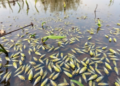
Mangrove forests, nestled in the tidal zones of tropical and subtropical coastlines, are renowned for their rich biodiversity and their critical role as nurseries for numerous fish species. They serve as vital breeding grounds, offering shelter and abundant food resources to marine life. However, new research from the University of Gothenburg unveils an alarming trend that threatens the foundational stability of these ecosystems. The study, a groundbreaking global survey measuring both oxygen and carbon dioxide levels concurrently across 23 mangrove regions worldwide, highlights how climate change is exacerbating stress on these habitats, particularly through intensified hypercapnic hypoxia—the simultaneous occurrence of high carbon dioxide and low oxygen—in mangrove waters.
Mangrove environments are inherently dynamic, their physicochemical properties fluctuating with tidal cycles. During low tide, when water recedes exposing sediment and roots, oxygen concentrations in mangrove waters plummet as microbial respiration and decomposition intensify, while carbon dioxide accumulates due to organic matter breakdown. These conditions create a challenging environment where only species physiologically adapted to cope with low oxygen and elevated CO2 thrive. Conversely, the incoming tide brings fresh, oxygen-rich seawater that dilutes the accumulated carbon dioxide, temporarily ameliorating conditions and allowing a broader array of marine species—including commercially valuable fish—to enter the mangroves for feeding and protection. This tidal rhythm governs the accessibility and habitability of mangrove habitats for a diverse range of organisms.
The University of Gothenburg’s investigation takes a novel approach by simultaneously monitoring oxygen and carbon dioxide concentrations, allowing researchers to map environmental stress in mangroves with unprecedented precision and global scope. This dual-parameter monitoring revealed consistent patterns of environmental stress, most notably pronounced in tropical mangroves near the equator. These regions endure prolonged periods of hypoxia coupled with hypercapnia, effectively narrowing the temporal windows during which less tolerant marine species can exploit the refuge of mangrove ecosystems. Such stressful conditions are an endemic feature of mangrove waters in warm climates but are projected to intensify in frequency and duration with ongoing climate change.
Gloria Reithmaier, the study’s lead marine chemist, emphasizes the severity of these findings: “Our data show that many mangrove systems are already subjected to extreme chemical fluctuations that stress marine life. The concern is that with rising sea temperatures and increased atmospheric CO2, these fluctuations will become more severe, amplifying the physiological challenges for fish and other organisms relying on mangroves.” The phenomenon, known as hypercapnic hypoxia, poses a dual threat by impairing oxygen delivery while simultaneously acidifying the water, affecting respiratory and metabolic functions critical to aquatic organisms.
Global warming’s impact on the oceans extends beyond temperature increases to shifts in biogeochemical cycles. The researchers integrated climate models projecting future ocean warming and acidification scenarios to estimate how mangrove water chemistry may evolve in the coming decades. Across all modeled climate trajectories, the extent and duration of hypercapnic hypoxia events were predicted to increase significantly. These projections suggest mangrove habitats will increasingly fail to provide suitable conditions for sensitive species, fundamentally altering community compositions and potentially leading to the loss of biodiversity critical to ecosystem resilience and fisheries productivity.
Highly diverse tropical mangrove systems, such as those in the Amazon Basin and along the Indian coastline, are currently operating near physiological thresholds. Carbon dioxide levels measured in these areas are alarmingly high relative to mangroves at higher latitudes, indicating these environments are already under substantial stress. Climate-induced exacerbation of hypercapnic hypoxia in these sensitive regions could precipitate localized extinctions and collapse of fish populations that serve crucial ecological and economic roles. Consequently, the altered water chemistry threatens not just ecosystem integrity but also human livelihoods dependent on fishing and coastal resource utilization.
The findings underscore a sobering ecological trajectory: as environmental stress intensifies, mangrove biodiversity may become increasingly homogenized, dominated by species with robust tolerances to low oxygen and elevated CO2. Such a shift would diminish overall ecosystem functionality, including nutrient cycling, carbon sequestration, and habitat provision. This loss of biological complexity compromises not only the intrinsic value of mangrove forests but also their capacity to buffer coastal zones from erosion and storm surges amid rising sea levels.
Importantly, the research delineates socioeconomic implications, highlighting that tropical developing countries, with the greatest dependence on mangrove-associated fisheries, may endure disproportionate adverse effects. Many coastal communities rely on fish species that are sensitive to hypoxic and hypercapnic conditions; therefore, climate-driven changes threaten food security, economic stability, and cultural heritage. Reithmaier underscores this aspect by noting, “The fish people most rely on are likely the first to suffer as these stressful conditions worsen.”
The study’s integrative methodology, combining in situ measurements with climate projections, represents a significant advancement in assessing climate change impacts on marine coastal systems. The simultaneous quantification of oxygen and carbon dioxide dynamics at a global scale provides essential insight into the multifaceted stressors operating within mangrove habitats. This approach is crucial for informing conservation strategies and adaptive management policies aimed at protecting these ecologically and economically vital ecosystems amid accelerating environmental change.
Mangrove restoration and conservation initiatives must incorporate these findings to prioritize areas most vulnerable to hypercapnic hypoxia and to develop mitigation approaches that consider future climatic uncertainties. Enhancing mangrove resilience through habitat connectivity, pollution reduction, and sustainable fisheries management will be pivotal in buffering against the compounded effects of warming and acidification. Moreover, global efforts to curb greenhouse gas emissions remain indispensable, as the underlying drivers of ocean warming and carbon dioxide accumulation directly exacerbate mangrove habitat degradation.
In conclusion, this study from the University of Gothenburg intensifies the call for urgent action in addressing climate change impacts on critical coastal ecosystems. The dual measurement of oxygen and carbon dioxide in mangrove waters reveals an emerging threat of intensified hypercapnic hypoxia that jeopardizes marine biodiversity, fisheries resources, and coastal livelihoods. These findings demand integrated environmental policies that couple climate mitigation with targeted local conservation efforts, ensuring that mangrove forests continue to sustain the rich marine life and human communities that depend on their health.
Subject of Research: Environmental stress and climate change impacts on mangrove ecosystems, focusing on oxygen and carbon dioxide dynamics.
Article Title: Climate Change Will Enhance Hypercapnic Hypoxia Threatening Mangrove Habitats
News Publication Date: 13-Feb-2026
Web References: 10.1029/2025GL119355
Image Credits: Michael Reithmaier
Keywords: Mangrove forests, hypercapnic hypoxia, climate change, ocean warming, carbon dioxide, oxygen depletion, biodiversity loss, marine ecosystems, coastal fisheries, environmental stress, biogeochemical cycles, marine chemistry.
Tags: carbon dioxide accumulation in mangrovesclimate change impact on mangrovesconservation of tropical coastal ecosystemsfish nursery habitats in mangroveshypercapnic hypoxia in mangrovesmangrove biodiversity and stressmangrove forest oxygen levelsmangrove water chemistry fluctuationsmicrobial respiration in tidal zonesphysiological adaptation to low oxygensediment oxygen dynamicstidal cycle effects on mangrove ecosystems