In a groundbreaking advancement poised to revolutionize cardiovascular medicine, researchers have unveiled a hierarchical theranostic nanoagent designed for both multimodal imaging and precise intervention targeting foam cells in atherosclerosis. This sophisticated nanotechnology platform integrates therapeutic and diagnostic capabilities at a molecular level, presenting a promising strategy to combat the relentless progression of atherosclerotic plaques, which underpin the majority of cardiovascular diseases worldwide. The study, conducted by Song, J., Kang, X., Yang, S., et al., and published in Nature Communications in 2026, provides new insights into the potential of nanomedicine to enhance disease visualization and treatment efficacy simultaneously.
Atherosclerosis is characterized by the accumulation of lipid-laden foam cells within arterial walls, leading to plaque formation, vessel obstruction, and the heightened risk of heart attacks and strokes. Traditionally, clinicians have struggled to achieve early and precise detection of vulnerable plaques while delivering targeted therapies that mitigate progression without systemic side effects. The newly developed hierarchical theranostic nanoagent addresses these challenges by combining advanced imaging modalities with targeted foam cell disruption, thereby fostering both diagnostic clarity and therapeutic potency.
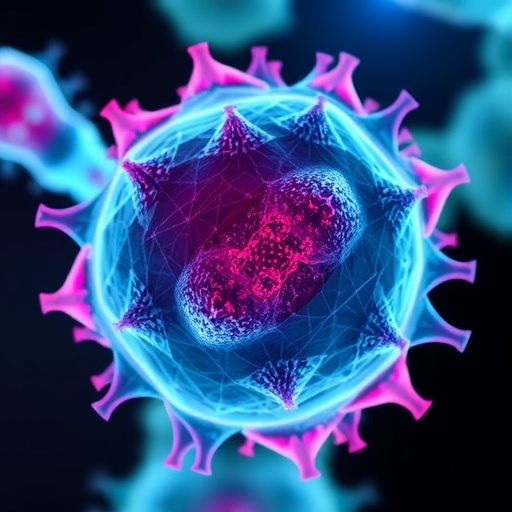
At its core, the nanoagent architecture is meticulously engineered through a hierarchical design that enables distinct functionalities to coexist within a single nanoparticle framework. The outer shell allows for selective targeting of foam cells by leveraging receptor-mediated endocytosis pathways unique to macrophage-derived foam cells. This targeting specificity is critical, as it ensures that the therapeutic payload concentrates within diseased tissues while sparing healthy cells, mitigating off-target effects common in conventional pharmacological approaches.
Moreover, the nanoagent is equipped with multimodal imaging capabilities, incorporating contrast agents tailored for modalities such as magnetic resonance imaging (MRI), fluorescence imaging, and computed tomography (CT). This multifunctionality allows clinicians to acquire comprehensive, high-resolution images of atherosclerotic lesions, facilitating early-stage detection and precise localization of vulnerable plaques. Such enhanced imaging capabilities are indispensable for monitoring disease progression and evaluating treatment response in real-time.
The therapeutic component of the nanoagent is equally remarkable. It delivers pharmacological agents capable of modulating foam cell metabolism and inducing apoptosis selectively within these lipid-engorged cells. By dismantling foam cells within plaques, the nanoagent not only attenuates inflammatory cascades but also stabilizes plaques, thereby reducing the risk of rupture and subsequent cardiovascular events. This dual-action therapeutic approach exemplifies the convergence of nanotechnology and molecular medicine in addressing complex pathologies.
The hierarchical design principle employed in constructing the nanoagent also offers modularity and adaptability, enabling customization for other cardiovascular or inflammatory disorders characterized by macrophage involvement. This flexibility points toward a broader applicability of the platform beyond atherosclerosis, potentially catalyzing advances in nanotheranostics for diverse clinical conditions.
Critical to successful clinical translation, the team conducted extensive in vitro and in vivo validation studies demonstrating the biocompatibility, safety, and efficacy of the nanoagent. Cellular assays confirmed preferential uptake by foam cells and minimal cytotoxicity toward non-target cells. Animal models of atherosclerosis evidenced significant plaque reduction and improved vascular function following nanoagent administration, with imaging modalities confirming targeted delivery and therapeutic action.
The pharmacokinetics and biodistribution profiles of the nanoagent further underscored its clinical potential. The platform exhibited prolonged circulation times, efficient tissue penetration, and controlled release kinetics, all contributing to enhanced therapeutic indices. Notably, the nanoagent’s design minimizes immune system activation and rapid clearance, common hurdles that have historically limited nanoparticle-based therapies.
By integrating diagnostic and therapeutic functions within a singular nanoscale entity, the study embodies the essence of theranostics—a paradigm shift in personalized medicine that enables simultaneous disease monitoring and treatment customization. This approach not only promises improved patient outcomes through targeted interventions but may also streamline clinical workflows by reducing the need for multiple diagnostic and therapeutic steps.
The implications of this research extend beyond scientific innovation into public health, offering a scalable platform to address the global burden of atherosclerosis-driven cardiovascular diseases. Early detection and precise intervention can profoundly impact morbidity and mortality rates, underscoring the importance of such technological breakthroughs in improving global health trajectories.
While challenges remain, including large-scale manufacturing, regulatory approval pathways, and long-term safety assessments, the study sets a new standard for nanomedicine design and application. Ongoing and future clinical trials derived from this platform will be pivotal in validating its efficacy in human populations and could pave the way for FDA-approved nanotheranostic agents in cardiovascular care.
In summary, this hierarchical theranostic nanoagent represents a milestone in cardiovascular nanomedicine. Its intelligent design harnesses molecular targeting, multimodal imaging, and selective therapeutic delivery to address the multifaceted nature of atherosclerosis. As the field advances, such innovations may herald an era where precision nanotechnology not only visualizes but also eradicates disease at its biological roots, transforming patient care paradigms.
The study by Song, J., Kang, X., Yang, S., and colleagues, published in Nature Communications in 2026, stands as a testament to interdisciplinary collaboration bridging materials science, molecular biology, and medical imaging. It exemplifies how the convergence of these fields can yield transformative medical technologies capable of impacting millions worldwide suffering from cardiovascular diseases rooted in atherosclerosis.
Subject of Research: A hierarchical theranostic nanoagent for multimodal imaging and targeted intervention in foam cells associated with atherosclerosis.
Article Title: A hierarchical theranostic nanoagent for multimodal imaging and targeted foam cell intervention in atherosclerosis.
Article References:
Song, J., Kang, X., Yang, S. et al. A hierarchical theranostic nanoagent for multimodal imaging and targeted foam cell intervention in atherosclerosis.
Nat Commun (2026). https://doi.org/10.1038/s41467-026-70463-7
Image Credits: AI Generated
Tags: advanced cardiovascular disease visualizationatherosclerotic plaque interventioncombined therapeutic and diagnostic nanoplatformearly detection of vulnerable plaquesfoam cell disruption techniqueshierarchical theranostic nanoagentmolecular-level nanotechnologymultimodal imaging in atherosclerosisnanomedicine for cardiovascular diseasesnanoparticle-based cardiovascular diagnosticstargeted foam cell treatmenttargeted therapy for foam cells