In an illuminating new study shedding light on the mysterious biochemical dialogues between gut microbes and the brain, researchers from University College Cork have uncovered compelling evidence of exercise-induced modifications in microbial tryptophan metabolism linked to hippocampal function in adult rats. Published in Brain Medicine, the work reveals a sophisticated molecular pathway by which voluntary running wheel exercise orchestrates changes within the gut microbiota that reverberate through circulating metabolites, ultimately impacting gene expression in the hippocampus — the brain’s memory center.
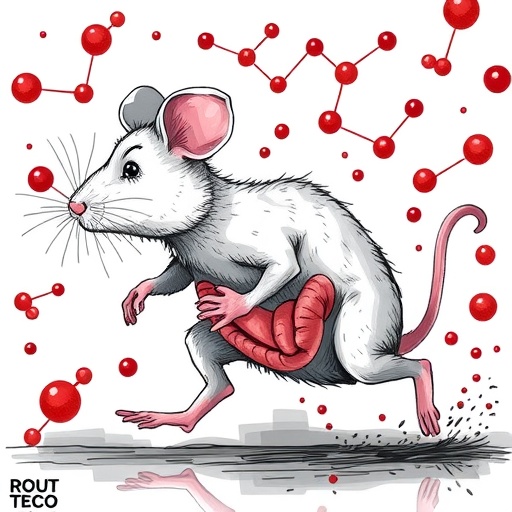
The investigation, led by Maria Giovanna Caruso and Yvonne M. Nolan, focused on adult male Sprague-Dawley rats provided with access to a running wheel for eight weeks. Engaging in an average daily distance exceeding 5 kilometers, these rats displayed notable shifts in their gut microbial communities compared to sedentary controls. The researchers employed high-resolution 16S rRNA gene sequencing to chart microbiota composition from fecal samples, revealing a marked decline in the abundance of Alistipes and Clostridium genera, both prominent players in tryptophan metabolism pathways.
Tryptophan, as an essential amino acid and biochemical precursor of serotonin, plays a multifaceted role in neurophysiology and mood regulation. While most tryptophan is metabolized hepatically via the kynurenine pathway, a significant fraction undergoes microbial transformation in the gut, yielding various indole and tryptamine derivatives with the potential to traverse the blood-brain barrier. Crucially, serotonin synthesized by gut microbes cannot cross into the brain, highlighting the importance of these microbial metabolites as communicators in the gut-brain axis.
The shifts observed in microbial populations led researchers to hypothesize alterations in systemic tryptophan metabolism. To explore this, they conducted untargeted serum metabolomics, analyzing over 400 metabolites. Among those with significantly altered abundance, a notable increase was found in 5-hydroxytryptophol, a serotonin catabolite formed through the reductive metabolic pathway distinct from the more common oxidative route. This finding, suggestive of increased peripheral serotonin turnover after exercise, marks an important biochemical indicator of the gut’s responsive metabolic state, albeit cautiously interpreted due to identification at a lower confidence annotation level.
Further pathway enrichment analysis underscored that tryptophan metabolism and amino acid biosynthesis pathways were among the most significantly influenced, reinforcing the concept of exercise modulating microbial metabolic activity. Associations between specific bacterial genera and circulating indole derivatives were also explored, notably a suggestive negative correlation between Clostridium abundance and serum levels of 2-oxindole, an indole derivative, although this required cautious interpretation due to statistical adjustments.
Crucially, the study extended its exploration into the central nervous system by measuring gene expression of aryl hydrocarbon receptor (AhR) — a transcription factor known to bind tryptophan derivatives and mediate neuroimmune and neuronal signaling. Here, exercise selectively decreased AhR mRNA levels in the dorsal hippocampus, the subregion implicated in spatial and contextual memory, while no significant change was detected in the ventral hippocampus, which is more associated with emotional processing. This subregional specificity hints at a targeted gut-brain communication mechanism whereby exercise influences memory-related neuronal circuits.
The aryl hydrocarbon receptor is increasingly recognized as a molecular conduit linking gut microbial metabolites to brain function. Its downregulation in the dorsal hippocampus after exercise aligns with previous findings that implicate AhR in the negative regulation of adult hippocampal neurogenesis and potential involvement in neurodegenerative pathologies such as Alzheimer’s disease. Notably, the physiological modulation via exercise differs fundamentally from knockout models, underlining the subtlety and potential therapeutic relevance of such changes.
By integrating metagenomic functional inference with gene expression data, the researchers highlighted several gut-brain modules affected by exercise. These included enhanced acetate and glutamate synthesis, decreased gamma-aminobutyric acid (GABA) synthesis, and, importantly, an increase in tryptophan biosynthesis pathways. Such functional shifts corroborate the hypothesis that exercise-induced changes in microbial ecosystems extend beyond composition into metabolic output, which in turn may shape neural processes.
This study is pioneering in its multi-layered approach, linking quantitative shifts in specific gut bacterial genera, serum metabolomic alterations, and targeted hippocampal gene expression changes into a coherent biological narrative describing the gut-brain axis adaptations to physical activity. It paints a compelling picture of how the gut microbiota may mediate cognitive benefits afforded by exercise, laying molecular groundwork for understanding these well-known but mechanistically elusive effects.
However, the authors underscore limitations, including the lack of behavioral testing to correlate molecular changes with functional cognitive outcomes, the focus on male rodents potentially limiting generalizability, and the intrinsic taxonomic resolution constraints of 16S rRNA sequencing, which may obscure species-level contributions. Moreover, the metabolite 5-hydroxytryptophol’s low annotation confidence invites caution and calls for further targeted validation.
Yet, the elegance of the findings lies in their convergence across disciplines and methodologies, pointing towards an integrated pathway: exercise diminishes tryptophan-metabolizing bacterial genera like Alistipes and Clostridium; this microbial remodeling modifies serum tryptophan catabolites; and these biochemical messages modulate receptor expression within memory-critical brain regions. The gut, it appears, not only digests nutrients but also rewrites communication scripts to the brain in response to physical activity.
This research illuminates how the world within us—the microbiome—senses and responds to our behaviors, influencing brain chemistry in subtle yet profound ways. As Professor Nolan reflects, the findings illustrate a biological symphony where the gut microbiota ‘noticed you were moving’ and transduced that signal into molecular changes benefiting hippocampal function. These insights open new horizons in understanding exercise’s role in neuroprotection and mental health, framing the microbiome as a key intermediary that could inform therapeutic strategies.
Ultimately, this study intersects neurobiology, microbiology, and metabolomics to chart fresh territory in the gut-brain dialogue. It highlights the dorsal hippocampus as a critical locus for exercise-dependent neurochemical modulation via microbial metabolites, underscoring the promise of microbiota-targeted interventions to bolster cognitive resilience and mental wellbeing. For anyone longing to decipher why a jog often clears the mind and brightens mood, these findings offer a molecular map beginning deep within the gut’s secretive ecosystem.
Subject of Research: Animals
Article Title: Exercise induces changes in tryptophan metabolism by gut microbes associated with hippocampal function in adult rats
News Publication Date: 10 March 2026
Web References: https://doi.org/10.61373/bm026r.0009
References: Caruso MG, Dohm-Hansen S, Williams ZAP, English JA, Lavelle A, Nicolas S et al. Exercise induces changes in tryptophan metabolism by gut microbes associated with hippocampal function in adult rats. Brain Medicine 2025. DOI: https://doi.org/10.61373/bm026r.0009.
Image Credits: Yvonne M. Nolan
Keywords: Gut microbiota, tryptophan metabolism, exercise, hippocampus, aryl hydrocarbon receptor, serotonin catabolites, metabolomics, neurogenesis, gut-brain axis, Sprague-Dawley rats
Tags: 16S rRNA gene sequencing in microbiome researchexercise and brain health mechanismsexercise-induced gut microbiota changesgut microbial diversity and exercisegut-brain axis in ratshippocampal gene expressionmicrobial tryptophan metabolismmicrobiota impact on memoryneurophysiology and gut bacteriaserotonin precursor metabolismSprague-Dawley rat studyvoluntary running wheel exercise