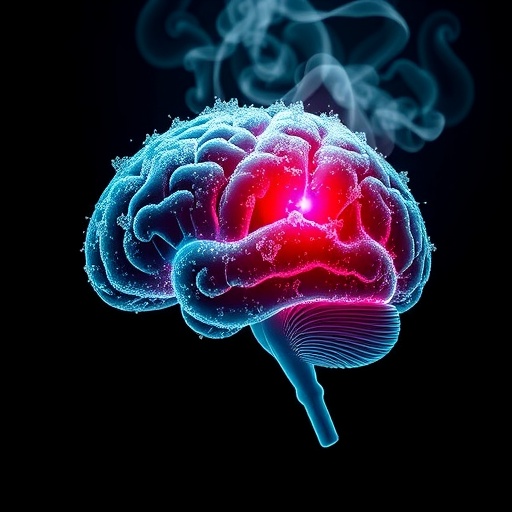
When it comes to addiction, relapses are often misunderstood as a failure of will or character. However, groundbreaking research from Michigan State University reveals a far more complex biological underpinning. Cocaine addiction, this study shows, is deeply rooted in the rewiring of brain circuits, specifically within the hippocampus, a region best known for its role in memory and learning. This rewiring fuels the compulsive drug-seeking behaviors that have long confounded clinicians and researchers alike.
The researchers have elucidated critical molecular changes that occur in the hippocampus during prolonged cocaine use, pinpointing how these alterations contribute to the relentless craving and relapse seen in addiction. Central to these changes is a transcription factor known as DeltaFosB. Found in neurons within circuits linking the hippocampus and the nucleus accumbens—key nodes in the brain’s reward pathway—DeltaFosB acts as a master regulator, switching on and off genes that reshape neuronal function.
Addiction experts have long known that cocaine floods the brain’s reward centers with dopamine, creating powerful associations that drive continued use. However, this new study shows that DeltaFosB accumulation is not just a byproduct, but an essential driver of the brain’s maladaptive response. In experiments with murine models, the scientists utilized cutting-edge CRISPR technology to selectively manipulate DeltaFosB, revealing its causal role in altering circuit excitability and enhancing cocaine-seeking behaviors.
The hippocampus’s involvement in addiction is particularly notable because it challenges the previous emphasis on the reward system alone. This study underscores the idea that cocaine’s impact on memory circuits contributes to its addictive potential. As DeltaFosB accumulates, it influences the expression of numerous genes, including calreticulin—a protein instrumental in fine-tuning how neurons communicate through calcium signaling. Dysregulation of calreticulin appears to amplify neuronal excitability, further reinforcing the compulsion to seek cocaine.
Importantly, this mechanistic insight offers a promising direction for therapeutic intervention. Currently, no FDA-approved medications specifically target cocaine addiction, leaving a significant gap in treatment options for the estimated over one million individuals grappling with this disorder in the United States. By focusing on DeltaFosB and its gene targets, scientists aspire to develop pharmaceuticals that can recalibrate the pathological changes sustaining addiction.
The translational potential of these findings is strengthened by the conservation of genetic pathways between mice and humans. Collaborations between Michigan State University and the University of Texas Medical Branch are underway to design compounds capable of modulating DeltaFosB’s interaction with DNA. Such compounds, if successfully developed, could attenuate the molecular machinery driving cocaine craving, offering hope for a much-needed pharmacological breakthrough.
Despite the progress, researchers acknowledge the complexity of cocaine addiction. DeltaFosB’s role is only part of a broader network of changes, and unraveling the interplay between various circuits remains a challenge. Additionally, the research team is poised to explore how sex hormones influence these neural dynamics, as emerging evidence suggests that addiction risk and neural responses to drugs differ between males and females.
Understanding how hormonal fluctuations and sex differences intersect with DeltaFosB-driven alterations could inform personalized approaches to addiction treatment. Such insights may explain why certain individuals are more vulnerable to relapse and tailor interventions to these biological variables, enhancing efficacy.
The implications of this research stretch beyond cocaine addiction. By illuminating the transcriptional regulation within the ventral hippocampus-nucleus accumbens circuit, this work provides a framework to understand other substance use disorders and compulsive behaviors. This systems-level perspective shifts the focus from symptoms to root neurobiological causes, enabling more targeted and effective therapies.
The study also underscores the need to destigmatize addiction as a complex brain disease rather than a moral failing. Just as cancer involves cellular mutations and tissue remodeling, addiction entails lasting changes in brain function driven by molecular switches like DeltaFosB. Embracing this perspective can transform public health approaches, increasing support for evidence-based treatments and reducing barriers to care.
In sum, this pioneering research offers a critical lens on the molecular choreography underlying cocaine addiction. By revealing how addiction hijacks memory and reward circuits through gene regulation, it lays the groundwork for novel pharmacological strategies that could profoundly impact treatment paradigms. Though the path toward FDA-approved medications remains long, these findings mark an essential milestone in the quest to unravel addiction’s biological mysteries.
Michigan State University’s ongoing research exemplifies the cutting-edge science required to address the addiction crisis. With continued interdisciplinary efforts, combining molecular biology, neuroscience, and pharmacology, the prospect of effective cocaine addiction therapies moves closer from hope to reality.
Subject of Research: Cocaine addiction; transcriptional regulation of brain circuits involving the ventral hippocampus and nucleus accumbens; molecular mechanisms driving compulsive drug-seeking behavior.
Article Title: Transcriptional regulation of ventral hippocampus-nucleus accumbens circuit excitability drives cocaine seeking
News Publication Date: 4-Mar-2026
Web References: http://dx.doi.org/10.1126/sciadv.adv1236
Image Credits: Michigan State University Robison Lab
Keywords: Addiction, Cocaine, DeltaFosB, Transcription factor, Hippocampus, Nucleus accumbens, Neuronal excitability, CRISPR, Calreticulin, Reward circuit, Drug seeking, Brain rewiring
Tags: addiction neuroscience breakthroughsbrain rewiring in drug addictioncocaine addiction brain changescocaine relapse mechanismscompulsive drug-seeking behaviorCRISPR research in addictionDeltaFosB transcription factordopamine reward pathway cocainegenetic regulation in addiction relapsehippocampus role in addictionmolecular basis of cocaine cravingnucleus accumbens and addiction