Mitochondria, often described as the cell’s powerhouses, perform an essential role far beyond mere energy production. These intricate organelles generate adenosine triphosphate (ATP) through oxidative phosphorylation, fueling diverse cellular activities crucial for life. Beyond energy metabolism, mitochondria regulate apoptosis, buffer intracellular calcium, and orchestrate cellular responses to a variety of stressors. The functional health of mitochondria is therefore vital for cellular survival and tissue homeostasis. When mitochondrial integrity is compromised, cells become vulnerable, losing the capacity to meet energetic demands and maintain physiological balance. Dysfunctional mitochondria are central to the pathology of numerous neurodegenerative diseases, inflammatory syndromes, and metabolic disorders, underscoring the urgent need for innovative therapeutic strategies that restore mitochondrial function directly.
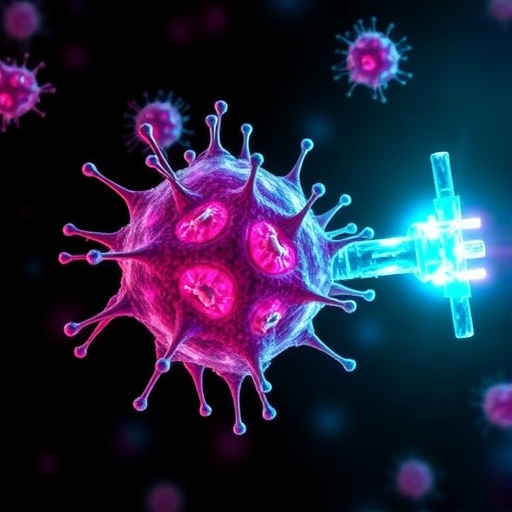
In the evolving landscape of regenerative medicine, mitochondrial transplantation emerges as a startlingly promising approach. This novel concept involves isolating intact, functional mitochondria and delivering them into cells experiencing mitochondrial insufficiency. Unlike gene or stem cell therapies, mitochondrial transplantation aims to rapidly reconstitute bioenergetics without genetically altering the host cell. However, despite encouraging preliminary findings in animal and cellular models, a fundamental understanding of how transplanted mitochondria interface with recipient cells remains elusive. Do these organelles penetrate the cellular membrane and integrate functionally? If so, through which cellular uptake mechanisms? And critically, can they sustain their bioenergetic roles once internalized?
A landmark study recently addressed these pivotal questions with unprecedented rigor. Led by Associate Professor Kosuke Kusamori at Tokyo University of Science, the research employed mesenchymal stromal cells (MSCs)—a cell type renowned for regenerative potential—as recipients for isolated mitochondria. By amalgamating advanced imaging modalities—including fluorescence microscopy, confocal imaging, flow cytometry, and electron microscopy—with comprehensive biochemical assays, the investigators mapped the trajectory and function of exogenous mitochondria within MSCs. This multifaceted approach allowed precise visualization and quantification of mitochondrial uptake, as well as functional assessments post internalization.
Initial experiments focused on the isolation of mitochondria while preserving their ultrastructure and functional capacity. The mitochondria extracted from MSCs demonstrated high purity, devoid of contaminants such as other cellular organelles or debris. Importantly, these isolated mitochondria retained robust ATP synthesis ability, indicating preserved bioenergetic integrity during the isolation process. Subsequent provision of these mitochondria to living MSCs and hepatocytes yielded remarkable enhancements in cellular health. Notable outcomes included increased cell proliferation rates and improved resistance to oxidative and chemical stressors, reflecting the mitochondria’s cytoprotective effect.
A central question was whether these beneficial effects required actual mitochondrial internalization by recipient cells. Time-course studies revealed a gradual, time-dependent uptake of mitochondria by MSCs, reaching significant intracellular accumulation over several hours. Electron microscopic analysis showcased mitochondria entrapped within membrane-bound vesicles inside the cytoplasm, confirming true internalization rather than superficial adherence. By employing specific pharmacological inhibitors to block clathrin-, caveolin-, CLIC/GEEC-, and actin-mediated endocytic pathways, the research uncovered that MSCs utilize multiple, overlapping mechanisms to engulf transplanted mitochondria. This multiplicity underscores a complex, multifaceted cellular uptake process differing from single-pathway endocytosis found in many other biological processes.
Functional assays corroborated that the internalized mitochondria remained bioenergetically active. MSCs receiving mitochondrial transplants demonstrated enhanced mitochondrial respiration, evaluated by oxygen consumption rate measurements, alongside increased ATP production. These effects displayed a dose-responsive relationship to mitochondrial concentration, emphasizing the therapeutic potential of modulating mitochondrial doses. The enhanced respiratory capacity, coupled with heightened proliferation and stress resistance, suggests that transplanted mitochondria can more than simply survive within host cells—they actively improve cellular metabolic competence.
The elucidation of these uptake pathways and their biological consequences lays a crucial foundation for advancing mitochondrial transplantation from bench to bedside. By harnessing natural endocytic routes, therapeutic protocols can be optimized to maximize mitochondrial delivery efficiency. Such precision could enable tailored approaches adapted to the unique endocytic profiles of different cell types or pathological states. Moreover, confirming that transplanted mitochondria retain functionality challenges previous skepticism regarding their intracellular fate and offers compelling evidence for mitochondrial therapy as a distinct biomedical field.
Currently, mitochondrial transplantation remains in preclinical research, with many regulatory, safety, and efficacy hurdles to overcome. Long-term studies are needed to assess the persistence and integration of transplanted mitochondria, potential immune responses, and effects on tissue homeostasis across diverse disease models. Ensuring the purity, consistency, and biological activity of isolated mitochondria is paramount for clinical translation. Nonetheless, the non-genetic nature of this approach could provide rapid interventions for acute mitochondrial failure, circumventing complexities linked to gene editing or stem cell integration.
The therapeutic applications of mitochondrial transplantation are vast and especially poignant in diseases marked by mitochondrial defects. Ischemia–reperfusion injury following heart attacks or strokes, neurodegenerative conditions such as Parkinson’s and Alzheimer’s diseases, and toxin-induced hepatic injury are all promising targets. Furthermore, mitochondrial therapy could revolutionize treatment paradigms in aging—a state intimately linked to mitochondrial decline—and other chronic conditions characterized by compromised cellular energetics.
Ultimately, this innovative research represents a leap forward in regenerative medicine and cellular bioengineering. Dr. Kusamori and his team’s work provides a rigorous scientific blueprint for developing mitochondrial therapy as a novel, precise, and powerful modality to restore cellular energy homeostasis. With continued investigation and refinement, mitochondrial transplantation holds the potential to transform clinical care for a spectrum of debilitating diseases, offering hope for treatments rooted in the restoration of life’s fundamental energy processes.
—
Subject of Research: Cells
Article Title: Uptake mechanisms and functions of isolated mitochondria in mesenchymal stromal cells
News Publication Date: 29-Dec-2025
References: DOI: 10.1038/s41598-025-28494-5
Image Credits: Associate Professor Kosuke Kusamori, Tokyo University of Science, Japan
Keywords: Mitochondria, Mesenchymal stromal cells, Mitochondrial transplantation, Cellular bioenergetics, Endocytosis, Regenerative medicine, Oxidative phosphorylation, Cellular respiration, Cell proliferation, Mitochondrial therapy, Neurodegenerative diseases, Mitochondrial dysfunction