


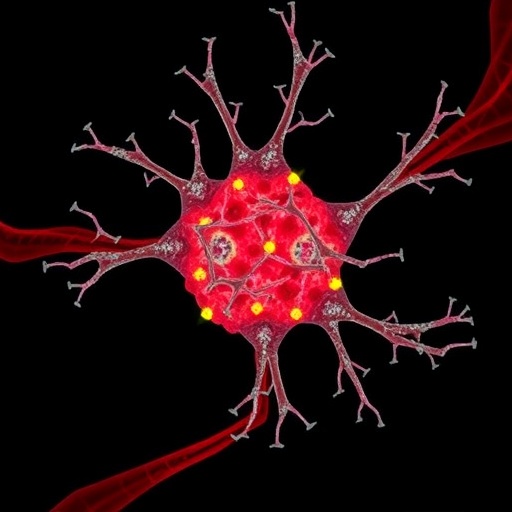
In a groundbreaking study from the University of California, Irvine, researchers have unveiled a sophisticated metabolic mechanism by which muscle stem cells orchestrate the delicate balance between repair and growth following muscle injury. This discovery, published in the prestigious journal Nature Metabolism, heralds a new understanding of muscle biology that extends far beyond traditional notions centered solely around protein synthesis and exercise. Instead, it highlights how muscle recovery is intricately governed by dynamic shifts in cellular metabolism, particularly in glucose utilization, positioning metabolic timing as a critical determinant of successful muscle regeneration.
This research elucidates that immediately after muscle damage or stress, muscle stem cells enter a transient phase characterized by the suppression of conventional energy production pathways. Rather than burning glucose predominantly for ATP generation, these cells strategically reroute glucose metabolites towards biosynthetic routes that generate antioxidants. These antioxidants serve as pivotal agents in mitigating oxidative stress and inflammation, crucial steps that prepare the muscle microenvironment for effective tissue repair. Once this metabolic pivot is made and the protective phase subsides, the cells reengage robust energy production, culminating in the formation and strengthening of new muscle fibers.
Central to this metabolic regulation is the enzyme phosphofructokinase, muscle type (PFKM), a key glycolytic control point. The investigators demonstrated that muscle stem cells deliberately downregulate PFKM expression during the initial repair window, inducing a deliberate bottleneck in the glycolytic flux. This metabolic “pause” effectively shifts glucose metabolism towards pathways that facilitate antioxidant production rather than ATP synthesis. As repair progresses, reinstatement of PFKM levels reignites energetic metabolism, thereby enabling the transition from repair mode to muscle growth and differentiation.
The implications of this temporal metabolic reprogramming are profound, especially considering the burgeoning prevalence of muscle wasting in various clinical contexts. Muscle loss is a hallmark of aging, trauma, and a side effect increasingly observed with the widespread use of glucagon-like peptide-1 (GLP-1) receptor agonist drugs, commonly prescribed for weight management. By identifying this metabolic checkpoint regulated by PFKM, scientists now have an attractive therapeutic target to preserve and enhance muscle regenerative capacity, addressing a pressing unmet medical need.
One of the most exciting aspects of the study is the demonstration that metabolic recovery can be pharmacologically accelerated. By supplementing cells with specific metabolic intermediates naturally produced during the recovery phase, the researchers facilitated a more rapid switch from protective repair to anabolic growth. This approach holds promise for developing novel interventions that might mitigate muscle loss or enhance recovery following injury or surgery, especially in vulnerable populations such as the elderly or patients under weight-loss regimens.
The study employed a multidisciplinary toolkit comprising state-of-the-art imaging techniques, meticulous metabolic flux analysis, and human muscle biopsy data to chart the swift and stage-specific metabolic shifts – some unfolding within minutes post-injury. Collaborative contributions from prominent researchers at UCLA and Yale enriched the study’s depth, consolidating evidence for this metabolic switch in both preclinical models and human tissues.
Presenting the findings, Dr. Lauren Albrecht, assistant professor at UC Irvine’s School of Pharmacy & Pharmaceutical Sciences and corresponding author, emphasized the revolutionary nature of this metabolic paradigm. She stated, “Our results indicate that muscle stem cells are not passive recipients of energy substrates but active metabolic strategists. They transiently rewire their nutrient utilization to safeguard themselves and optimize recovery—a level of metabolic orchestration previously unrecognized in muscle biology.”
This research not only redefines muscle stem cell biology but also underscores the importance of timing in metabolic interventions. Disrupting the precise temporal sequence of energy production could derail recovery and exacerbate muscle atrophy. Consequently, understanding and harnessing this metabolic choreography may pave the way for therapies tailored to restore muscle function after catabolic insults or in chronic degenerative conditions.
Moreover, these insights arrive amidst a societal shift where GLP-1 therapies, while offering unprecedented obesity control, present unintended consequences on skeletal muscle health. The study’s revelation that muscle stem cell metabolism can be manipulated suggests potential avenues to counteract lean muscle mass reduction observed in patients undergoing such pharmacotherapy, ultimately improving quality of life and functional independence.
Beyond clinical applications, the findings resonate within fundamental cellular metabolism fields, serving as a model for how stem cells balance energy demand with biosynthetic priorities. Muscle stem cells’ selective downregulation of PFKM to redirect glucose away from glycolysis into protective antioxidant synthesis may exemplify a generalizable strategy among tissue-resident stem cells responding to injury or stress.
In conclusion, the UC Irvine team’s research sheds light on a vital and previously unappreciated metabolic checkpoint that governs muscle regeneration. By decoding the cell-intrinsic mechanisms that toggle between energy-intensive growth and antioxidant-mediated repair, this work opens novel avenues for interventions aimed at combating muscle degeneration, with broad implications across aging, metabolic disease, and regenerative medicine domains. As muscle health becomes an ever more critical therapeutic target in an aging world, these metabolic insights represent a beacon for future translational breakthroughs.
Subject of Research: Muscle stem cell metabolism and its regulation during skeletal muscle repair and differentiation.
Article Title: PFKM governs metabolic shifts throughout skeletal muscle differentiation
News Publication Date: February 27, 2026
Web References:
Nature Metabolism article: https://www.nature.com/articles/s42255-026-01457-4
University of California, Irvine: http://www.uci.edu
UC Irvine News: http://news.uci.edu/
UC Irvine Media Resources: https://news.uci.edu/media-resources/
Keywords: Muscle regeneration, muscle stem cells, metabolism, PFKM, glycolysis, muscle repair, antioxidants, metabolic reprogramming, aging, GLP-1 therapies, muscle atrophy, skeletal muscle differentiation
Tags: antioxidant production in muscle repairbiosynthetic routes in muscle cellscellular metabolism in muscle growthglucose utilization in muscle regenerationmetabolic timing in muscle recoverymuscle fiber formation processmuscle injury recovery pathwaysmuscle microenvironment and inflammationmuscle repair mechanismsmuscle stem cell metabolismoxidative stress mitigation in muscle healingphosphofructokinase muscle type (PFKM)


