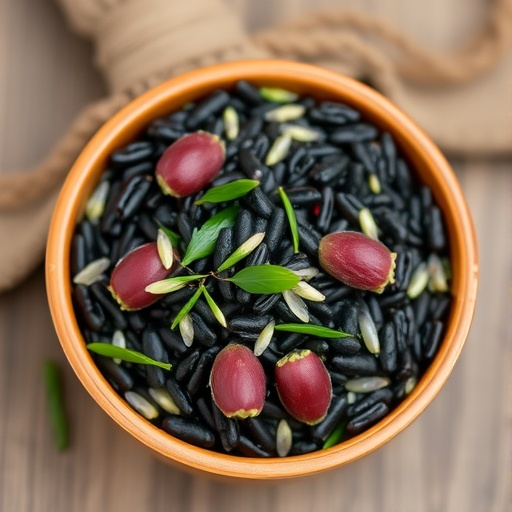
In a groundbreaking study spearheaded by researchers at Hokkaido University, the lipid composition of japonica rice varieties has been meticulously profiled, revealing unprecedented insights into the nutritional and functional roles of lipids in this staple food. While starch, protein, and carbohydrates have long dominated the discourse around rice nutrition, this comprehensive lipidomic analysis marks a pivotal advancement in understanding the subtle yet potent biochemical constituents that influence health outcomes.
Traditionally, rice has been recognized primarily as a source of carbohydrates, particularly starch, which comprises over 85% of the grain’s mass. Proteins and fats constitute a significantly smaller fraction, with lipids representing approximately 2% of the total composition. Despite their minor quantitative presence, lipids are integral to maintaining cell membrane integrity, modulating flavor profiles, and determining grain quality. However, their minor proportion has led to relatively scant research attention until now.
The investigative team focused on the diverse japonica rice cultivars endemic to Japan, capturing a spectrum from conventional white rice to its pigmented counterparts—brown, red, green, and black varieties. These cultivars are renowned for their short to medium grain size, soft texture, and sticky consistency when cooked, characteristics highly prized in Japanese cuisine and accounting for nearly 15% of global rice consumption.
Employing state-of-the-art analytical techniques, including liquid chromatography coupled with mass spectrometry, the researchers dissected the lipidome of 56 distinct japonica rice cultivars. Their analysis identified a staggering 196 lipid species spanning five major lipid classes, thus providing a rich tapestry of molecular diversity hitherto unexplored in rice research. This comprehensive lipidomic profiling sets a new benchmark for food biochemistry studies and opens avenues for targeted nutritional interventions.
Among the most remarkable discoveries was the identification of the fatty acid esters of hydroxy medium-chain fatty acids (FAHMFAs) within rice lipids—compounds previously unreported in this cereal. FAHMFAs are bioactive lipids known for their anti-inflammatory properties and their potential to enhance metabolic health, suggesting that rice consumption could confer benefits beyond caloric intake.
Moreover, the study illuminated the unique lipid signature of pigmented rice varieties, especially black and green japonica rice. These variants exhibited elevated levels of FAHMFAs and N-acyl-lysophosphatidylethanolamines (LNAPEs), lipid compounds implicated in improving metabolic regulation and reducing inflammation. Such molecular characteristics endow these pigmented rice cultivars with a superior health-promotion index compared to their white counterparts.
To evaluate the physiological implications of these lipid profiles, the team simulated human digestive processes in vitro. Cooked rice samples were subjected to enzymatic digestion to monitor starch breakdown kinetics—a proxy for glycemic response post-consumption. The pigmented rice varieties demonstrated notably slower starch hydrolysis rates, correlating with a moderated rise in blood glucose levels, an advantageous attribute for managing metabolic disorders such as type 2 diabetes.
This differential digestibility is hypothesized to arise from the distinctive lipid milieu in pigmented rice, which may interact with starch granules or digestive enzymes in manners that retard enzymatic activity. Such findings underscore the functional potential of using lipid-rich pigmented rice cultivars in developing foods tailored for glycemic control and cardiovascular health.
The broader context of this research aligns with the ongoing exploration of bioactive lipids across various Japanese dietary components. The research group’s prior work in profiling lipids in indigenous fish species, herbal teas, and seaweeds reflects a comprehensive strategy to unlock the complex contributions of lipids from diverse food matrices in the Japanese diet.
This pioneering study not only enriches the scientific understanding of rice lipidomics but also paves the way for the emergence of novel functional foods. By elucidating the molecular underpinnings of rice’s health effects, it equips food scientists, nutritionists, and agricultural breeders with valuable data to innovate rice varieties optimized for specific health outcomes.
In conclusion, the discovery of FAHMFAs and other bioactive lipids in japonica rice shifts the paradigm of rice from merely an energy source to a functional food with considerable therapeutic potential. This evolution in the comprehension of rice biochemistry holds promise for populations worldwide, especially as lifestyle-related diseases escalate. Enhanced awareness and targeted utilization of pigmented rice cultivars could dramatically influence public health nutrition strategies moving forward.
The researchers advocate for continued investment in lipidomics and food chemistry to uncover further bioactive compounds in staple foods. Their findings emphasize the critical role of minor constituents in diet quality and reinforce the necessity of comprehensive chemical characterizations to harness the full spectrum of nutritional benefits.
As awareness of the health-promoting potentials of pigmented rice proliferates, consumer dietary choices may evolve to prioritize these varieties, simultaneously incentivizing agricultural diversification and functional food development. Ultimately, this research offers a roadmap to better integrate molecular nutrition science with practical food innovation, aiming to mitigate chronic disease burden through dietary means.
Through sophisticated biochemical analyses, Hokkaido University’s work marks a significant step forward in clarifying how small molecular differences in food can translate into substantive health benefits. Their study not only enriches academic knowledge but also holds tangible implications for improving global nutrition and food security.
Subject of Research:
Article Title: Lipidomic profiling of 56 japonica rice cultivars and identification of novel fatty acid esters of hydroxy fatty acids
News Publication Date: 15-Jan-2026
Web References: http://dx.doi.org/10.1016/j.foodres.2025.117895
Image Credits: Lipsa Rani Nath
Keywords
Japonica rice, lipidomics, FAHMFAs, bioactive lipids, pigmented rice, glycemic response, metabolic health, food chemistry, functional foods, starch digestibility, liquid chromatography, mass spectrometry
Tags: biochemical constituents of japonica ricefatty acids in Japanese ricefunctional roles of rice lipidshealth benefits of rice lipidsJapanese pigmented rice lipid compositionjaponica rice nutritional analysislipidomic study of rice varietiesnutritional profile of colored ricepigmented rice antioxidant propertiesrice grain quality and lipidsrice lipid impact on flavorunique fats in pigmented rice