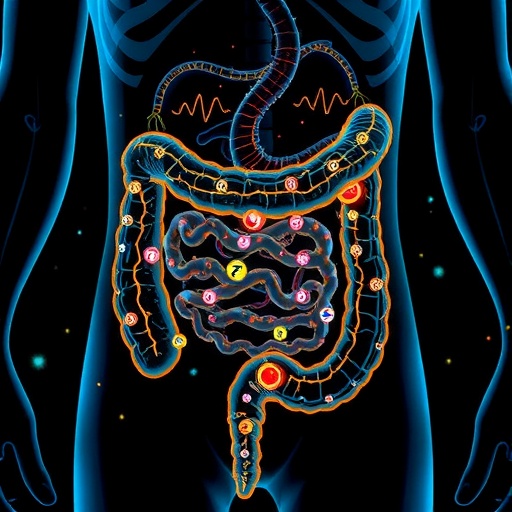
In the intricate realm of human physiology, the enteric nervous system orchestrates the rhythmic contractions of the intestines, a process called intestinal motility that is essential for digestion and waste elimination. Central to this neural ballet is acetylcholine (ACh), an excitatory neurotransmitter whose presence stimulates muscle contractions aiding peristalsis. Despite the fundamental role this neurotransmitter plays, disruptions in its signaling can lead to debilitating conditions such as constipation and broader dysmotility disorders. Recently, groundbreaking research has unveiled a surprising microbial contributor in this delicate balance: gut bacteria, through their nitrogen metabolism and specifically ammonia production, can modulate ACh levels and thus intestinal motility.
The study delves into a hitherto poorly understood interplay between gut microbiota and neuronal signaling pathways governing intestinal movement. Researchers have identified that in models of ACh deficiency — which mimic neuronal deficits — a compensatory rise in intestinal ammonia occurs alongside increased urease enzyme activity. This enzyme, produced by specific gut bacteria, catalyzes the hydrolysis of urea into ammonia and carbon dioxide, pointing to a microbial metabolic response finely tuned to host physiological states. Such findings illuminate the complex adaptive nature of the gut microbiome in supporting host functions beyond mere digestion.
Clinical correlations extend these findings from animal models to human health. In patients suffering from constipation, a condition marked by sluggish gut motility, elevated levels of ammonia and heightened urease activity were also documented. This discovery suggests that the microbial ecosystem reacts to impaired neurotransmitter activity by boosting ammonia production, potentially offering an alternative mechanism to stimulate intestinal motility. These insights mark a pivotal step forward in understanding how the microbiome might compensate for neuronal deficits in gastrointestinal disorders.
Further experimental exploration leveraged bacterial isolates from patient stool, particularly focusing on the urease-positive bacterium Lysinibacillus fusiformis. Upon colonization in murine models exhibiting dysmotility, this microbial species was able to restore colonic ACh concentrations effectively. Complementing this, researchers engineered bacteria to express urease, corroborating that enhanced ammonia production by these microbes consequentially elevated ACh levels. These findings open new avenues for microbiota-targeted therapies, emphasizing the therapeutic potential of manipulating microbial nitrogen metabolism to rectify gastrointestinal dysfunctions.
On a molecular level, the research delved into how ammonia influences enteric neurons to modulate ACh secretion. In vitro studies demonstrated that ammonia upregulates the expression of voltage-gated calcium channels on these neurons. This upregulation enhances calcium influx, a critical signal that triggers the release of acetylcholine, thereby facilitating neurogenic stimulation of intestinal smooth muscle. Such a mechanism suggests that microbial ammonia acts as an effector molecule, bridging microbial metabolism and neuronal activity in a precise biochemical dialogue.
Considering the complexity of intestinal motility regulation, these findings provide compelling evidence supporting a model where gut microbiota serve as dynamic partners in maintaining gut homeostasis. The gut microbiome, often viewed simply as a digestive aid, now emerges as an active participant in neurochemical regulation within the enteric nervous system, revealing a sophisticated host-microbe symbiosis. This discovery challenges traditional views and introduces a new paradigm for understanding gastrointestinal health.
The implications of these findings are far-reaching, especially in the context of conditions where neuronal signaling is impaired. The ability of microbial ammonia to compensate for acetylcholine deficiency offers a novel therapeutic target that diverges from conventional treatments focused on direct neuronal modulation or pharmacologic stimulation. Harnessing microbial urease activity might provide less invasive, microbiota-based interventions ideal for managing chronic constipation and other motility disorders that are often resistant to current therapies.
Moreover, this study highlights the intricate interdependencies between diet, microbial metabolism, and host physiology. Nitrogen metabolism by gut bacteria, facilitated in part by dietary urea and proteins, dynamically influences ammonia availability in the gut environment. Understanding how dietary components regulate this axis can lead to precision nutrition strategies aimed at optimizing microbial contributions to neurotransmitter balance and intestinal motility.
Researchers also underscore the potential for engineered probiotics designed to enhance or mimic urease activity selectively. Such microbial therapeutics could be tailored to individuals suffering from hypomotility-related disorders, offering personalized medicine approaches that manipulate the gut microbiota to restore neuronal and muscular function. These interventions could redefine the treatment landscape for patients with functional bowel disorders, emphasizing microbiome modulation as a cornerstone of therapy.
Nonetheless, the study cautions that ammonia, while beneficial in this context, must be carefully regulated due to its toxicity at elevated systemic levels. Future research will need to address how localized effects in the gut lumen versus systemic absorption influence the safety and efficacy of microbiota-based ammonia modulation. Balancing this duality will be paramount as clinical applications move forward.
Additionally, the discovery prompts a reevaluation of existing gut microbial dynamics in health and disease. The presence of urease-positive bacteria within the human gut may have been underestimated in their functional importance, and this study invites renewed exploration into the microbial ecology influencing enteric nervous system function. Such research could identify biomarkers of dysmotility linked to microbial nitrogen metabolism and help stratify patient populations for targeted therapies.
The study’s revelations further emphasize the necessity of interdisciplinary approaches combining microbiology, neurobiology, and gastroenterology to unravel the complexities of gut motility regulation. Such collaboration is critical as the field moves towards integrating microbial ecology with neuronal physiology to develop holistic treatment modalities. This integrative perspective may inspire similar investigations into other neuro-immune-microbial axes within the body.
In closing, the intricate dance between gut microbial ammonia production and colonic acetylcholine secretion profoundly reshapes our understanding of intestinal motility regulation. This groundbreaking research not only identifies a novel molecular mechanism underpinning microbial influence on host neurophysiology but also lays the foundation for innovative microbial-based treatments that could transform the management of intestinal motility disorders. It heralds a promising era where the gut microbiome is harnessed as a reliable ally in maintaining gastrointestinal health and combating chronic disease.
Subject of Research: Gut microbiota, intestinal motility, acetylcholine regulation, ammonia production, and enteric nervous system interactions.
Article Title: Gut microbial ammonia enhances colonic acetylcholine levels to regulate intestinal motility.
Article References:
Chen, H., Wang, Z., Zhao, Y. et al. Gut microbial ammonia enhances colonic acetylcholine levels to regulate intestinal motility. Nat Microbiol (2026). https://doi.org/10.1038/s41564-026-02269-8
Image Credits: AI Generated
DOI: https://doi.org/10.1038/s41564-026-02269-8
Tags: ammonia impact on peristalsisammonia-induced intestinal contractionsenteric nervous system motilitygut bacteria-host physiological interactiongut microbiome ammonia productiongut-brain axis neurotransmitter modulationintestinal acetylcholine regulationintestinal dysmotility disordersmicrobial compensation acetylcholine deficiencymicrobial nitrogen metabolismneurogastroenterology microbial influenceurease enzyme gut bacteria