In recent years, the landscape of cancer treatment has been revolutionized by innovative immunotherapies that harness the power of the immune system to eradicate malignant cells. Among these, T cell immunotherapies have surged to the forefront, offering remarkable potential for durable remissions. Central to this therapeutic revolution is chimeric antigen receptor (CAR) T cell therapy, a technique wherein patients’ T cells are genetically engineered to express synthetic receptors that recognize specific tumour antigens, thereby augmenting the body’s natural antitumour activity. While the impact of CAR T cell therapy on hematologic malignancies has been profound, the broader class of emerging T cell-based treatments—including bispecific antibodies, T cell receptor-engineered T cells, and tumour-infiltrating lymphocytes (TILs)—promise to extend the reach of immunotherapy across a wider range of cancers. Yet, as this therapeutic repertoire expands, so does the complexity of managing the associated side effects, particularly those affecting the cardiovascular system.
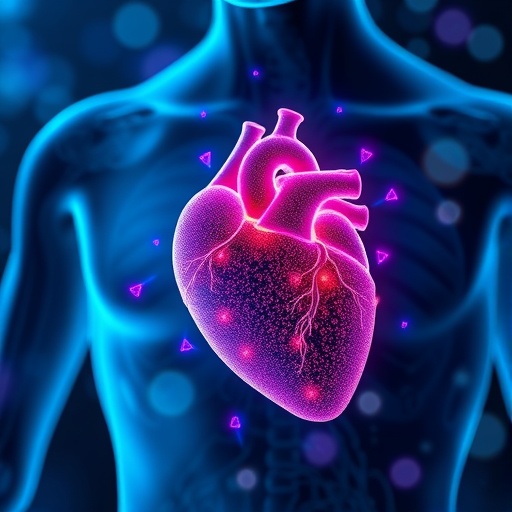
The immunologic activation elicited by T cell therapies is a double-edged sword. On one hand, it facilitates potent antitumour responses; on the other, it can unleash excessive inflammation manifested as cytokine release syndrome (CRS), a systemic inflammatory state characterized by a storm of pro-inflammatory cytokines including interleukins, interferons, and tumour necrosis factors. CRS presents clinically with fever, hypotension, and multiorgan dysfunction, and critically, it has profound implications for the heart. Inflammation-induced cardiovascular complications such as arrhythmias, myocardial injury, heart failure, and even acute coronary syndromes have been increasingly documented. Notably, cardiovascular events occur in up to 20% of patients experiencing severe CRS, underscoring the urgent need to decipher and mitigate these adverse effects.
Mechanistically, the pathophysiology of CRS-induced cardiotoxicity remains an active area of investigation. The hyperactivation of T cells leads to a surge in circulating cytokines, particularly interleukin-6 (IL-6), which exerts pleiotropic effects on endothelial cells, cardiac myocytes, and the coagulation system. Endothelial activation results in increased vascular permeability, contributing to tissue edema and hypotension, while direct cytokine-mediated myocardial depression can impair contractility. Additionally, the prothrombotic state induced by systemic inflammation may precipitate ischemic events such as myocardial infarction. These multifaceted processes culminate in a cardiovascular milieu primed for acute and chronic injury, challenging clinicians to balance the benefits of T cell immunotherapy with the risks posed to the heart.
Epidemiological data gleaned from clinical trials and real-world experience provide insights into the incidence and spectrum of cardiotoxicity associated with T cell therapies. Cardiovascular adverse events have been observed predominantly in patients with predisposing comorbidities, including prior cardiac disease, advanced age, or baseline inflammatory states. Yet, their occurrence in otherwise healthy individuals attests to the intrinsic risks carried by the immunotherapeutic approach itself. Moreover, the severity of CRS tightly correlates with the likelihood of cardiac complications, emphasizing the importance of early detection and precise grading of inflammatory responses. As such, institutions adopting CAR T cell and other T cell-based therapies are increasingly incorporating cardiovascular assessment algorithms into their standard protocols.
From a clinical management perspective, the treatment of T cell therapy-associated cardiotoxicity necessitates an interdisciplinary approach involving oncologists, cardiologists, and critical care specialists. Prompt recognition of CRS and initiation of targeted interventions such as IL-6 receptor antagonists (e.g., tocilizumab) and corticosteroids have revolutionized symptom control and improved cardiac outcomes. Supportive measures including fluid resuscitation, vasopressors, and advanced cardiac monitoring are also integral, particularly in patients progressing to cardiogenic shock or life-threatening arrhythmias. However, the timing and dosage of immunosuppressive therapies require careful deliberation to preserve antitumour efficacy while minimizing deleterious inflammation.
Beyond reactive strategies, there is an emerging emphasis on preventative measures. The advent of biomarkers capable of forecasting CRS severity and cardiac involvement may soon facilitate risk stratification and personalized monitoring. Cardiac imaging modalities such as echocardiography and cardiac MRI provide noninvasive evaluation of myocardial function and inflammation, enabling early intervention. Furthermore, ongoing research into the optimization of CAR T cell constructs aims to reduce cytokine burden while retaining cytotoxic potency, potentially mitigating cardiotoxic risks at the molecular level.
The horizon of T cell immunotherapy is vast and rapidly evolving. Novel modalities such as bispecific T cell engagers, which simultaneously bind tumour antigens and T cell receptors, offer alternative immunologic mechanisms that may circumvent some limitations of CAR T cells. Similarly, T cell receptor-engineered T cells extend specificity to intracellular tumour-associated peptides presented by major histocompatibility complex molecules, broadening therapeutic targets. Tumour-infiltrating lymphocytes harness the body’s native immune repertoire by expanding autologous T cells extracted directly from the tumour microenvironment. Each approach presents unique immunologic dynamics and attendant toxicity profiles, underscoring the necessity of vigilance regarding cardiovascular effects.
Understanding the cardiotoxic potential of these diverse therapies requires ongoing translational research. Animal models and in vitro systems are being employed to dissect cytokine-mediated endothelial injury, myocardial inflammation, and immune-cell trafficking within cardiac tissue. Insights into molecular pathways can inform the development of cardioprotective adjuncts and refine safety monitoring. Moreover, integrating real-world data from diverse patient populations, including those historically underrepresented in clinical trials, will ensure equitable therapeutic advancements and toxicity management.
Importantly, the cardio-oncology field is emerging as a critical interface to address these challenges at the nexus of cancer treatment and cardiovascular health. Dedicated cardio-oncology clinics provide comprehensive evaluation and management, combining expertise in immunotherapy-related toxicities with advanced cardiovascular care. This multidisciplinary collaboration is vital not only for acute toxicity management but also for long-term surveillance of patients who achieve remission yet remain at risk for late cardiovascular sequelae.
As T cell therapies gain traction in solid tumours, where the microenvironment is immunosuppressive and the antigenic targets more heterogeneous, the complexity of immune activation and resultant toxicities will likely increase. Tumour heterogeneity, antigen escape, and the immunosuppressive milieu necessitate combination strategies that may augment systemic inflammation. Therefore, anticipation of cardiotoxicity and proactive risk mitigation will be central to the successful translation of T cell-based immunotherapies beyond hematologic cancers.
In summary, the advent of T cell immunotherapy heralds a new era in cancer care with transformative potential but also reveals a spectrum of cardiovascular toxicities largely mediated through cytokine release syndrome and excessive inflammation. The intricate interplay between immune activation and cardiovascular injury mandates a nuanced understanding of pathophysiology, rigorous epidemiological investigation, and multidisciplinary clinical management frameworks. Through concerted efforts in research and clinical practice, the oncology community can optimize the therapeutic window of T cell therapies, maximizing antitumour efficacy while safeguarding cardiac health.
The future of cancer immunotherapy will undoubtedly involve refining T cell engineering to balance immune potency with controlled inflammatory responses. Combining advanced genomic editing tools, synthetic biology, and immune modulation holds promise for developing next-generation cellular therapies with improved safety profiles. Concurrently, enhanced cardiotoxicity surveillance, biomarker discovery, and cardio-oncology integration will be instrumental in delivering personalized care that addresses the cardiovascular complexities of these groundbreaking cancer treatments.
In this rapidly evolving paradigm, the synergy between oncologists, immunologists, cardiologists, and researchers is paramount. Together, these disciplines will drive innovations that not only push the boundaries of cancer remission but also build resilient systems to manage and prevent the cardiovascular consequences intrinsic to unleashing the immune system’s full therapeutic potential. Ultimately, harnessing the full promise of T cell immunotherapy hinges on mastering the delicate balance between immune activation and cardiovascular preservation.
Subject of Research: Cardiotoxicity associated with T cell immunotherapies including CAR T cell therapy and related inflammatory syndromes.
Article Title: Cardiotoxicity of T cell immunotherapies.
Article References: Raddatz, M.A., Stein-Merlob, A.F., Mahmood, S.S. et al. Cardiotoxicity of T cell immunotherapies. Nat Rev Cardiol (2026). https://doi.org/10.1038/s41569-026-01265-z
Image Credits: AI Generated
Tags: bispecific antibody cardiotoxicityCAR T cell therapy side effectscardiac complications of cancer immunotherapycytokine release syndrome cardiovascular impacthematologic malignancies immunotherapy cardiac safetyimmune-related adverse cardiac eventsimmunotherapy-related myocarditis and heart failuremanaging immunotherapy-induced inflammationpro-inflammatory cytokines and heart damageT cell immunotherapy cardiotoxicityT cell receptor-engineered therapy heart riskstumor-infiltrating lymphocytes cardiovascular effects