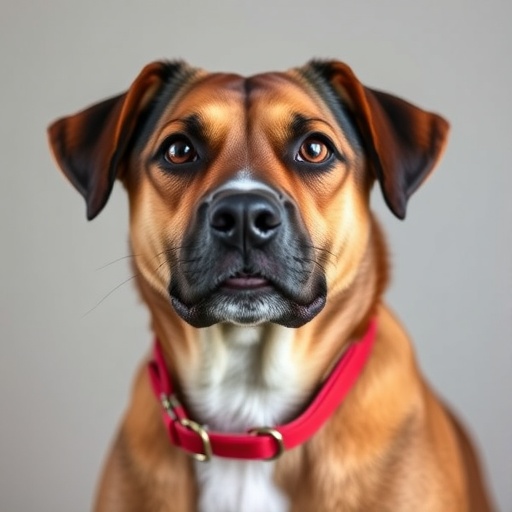
The captivating charm of brachycephalic dogs—their distinctively flat faces and large, expressive eyes—has made breeds like Bulldogs, Pugs, and French Bulldogs endlessly popular. However, this unmistakable allure conceals a serious health concern prevalent within many of these breeds: Brachycephalic Obstructive Airway Syndrome (BOAS). A ground-breaking study released in PLOS One on February 18, 2026, led by Francesca Tomlinson of the University of Cambridge, delves deeply into the prevalence and underlying conformational risk factors of BOAS across fourteen dog breeds with shortened skulls, revealing new insights that may alter how we breed and care for these animals.
BOAS is a debilitating respiratory condition characterized by obstructed airflow due to anatomical abnormalities inherent to brachycephalic conformation. Dogs suffering from the syndrome often exhibit noisy breathing, exercise intolerance, and greater susceptibility to overheating and breathing difficulties, sometimes necessitating surgical intervention. While it’s well-known that Bulldogs and Pugs suffer from BOAS, the breadth of risk across other brachycephalic breeds has been inadequately studied—until now.
Tomlinson and her team undertook a comprehensive cross-sectional study involving 898 dogs spanning fourteen breeds, including less commonly examined types such as Pekingese, Japanese Chins, King Charles Spaniels, and Shih Tzus. The researchers meticulously measured several physical parameters associated with BOAS, including skull and muzzle dimensions, nostril collapse susceptibility, body condition, and neck circumference. These morphometric data were analyzed in conjunction with clinical assessments to assign each dog a BOAS grade ranging from zero (minimal symptoms) to three (severe clinical signs with marked exercise intolerance).
The study’s most startling revelation was the unexpectedly high BOAS prevalence among Pekingese and Japanese Chins, two breeds less frequently highlighted in canine respiratory discussions. Alarmingly, only 11 percent of Pekingese and 17.4 percent of Japanese Chins were free of respiratory symptoms—a rate comparable to the notoriously affected Bulldogs. This underscores the pervasive nature of BOAS and challenges perceptions that it is confined to the more popular brachycephalic breeds.
Conversely, breeds such as the Cavalier King Charles Spaniels, Pomeranians, Boxers, and Chihuahuas displayed a notably lower prevalence of BOAS symptoms. Between 50 and 75 percent of dogs in these breeds exhibited minimal to no clinical signs, opening avenues for breeders and veterinarians to study conformational traits that may protect against respiratory challenges, even within brachycephalic categories.
One of the critical physical features correlated with BOAS risk is the degree of facial flattening, or brachycephaly. Dogs with extremely shortened skulls and muzzles were significantly more likely to suffer from airway obstruction. Additionally, nostril collapse—a condition where the nostrils narrow or close during inhalation—was a strong predictor of breathing difficulty. The study highlighted that dogs exhibiting greater nostril collapse were at heightened risk for BOAS, emphasizing the importance of nasal structure in respiration.
Moreover, body condition score, a quantifiable measure of obesity, emerged as another vital risk factor. Overweight brachycephalic dogs demonstrated worse symptomatic profiles, echoing well-documented concerns in veterinary practice that excess fat exacerbates respiratory inefficiency. This finding aligns with broader health recommendations emphasizing weight management to improve clinical outcomes for affected breeds.
The implications of these findings extend far beyond academic interest. As the authors stress, understanding the nuanced differences in BOAS prevalence across breeds—and the anatomical traits that contribute to either susceptibility or resilience—provides a critical evidence base for reforming breeding standards. By discouraging exaggerated brachycephalic features and overweight conditions, kennel clubs, breeders, and show judges can collectively influence selection towards healthier conformations.
Importantly, while this study relied on data from volunteer dogs and used comparative data from Pugs and French Bulldogs collected in 2016, it directly addresses ongoing concerns about the health costs of breed standard selection. The researchers acknowledge the possibility of improvements in brachycephalic breed health over recent years, indicating the need for continuous and updated surveillance to guide welfare strategies effectively.
The study’s authors advocate for concerted collaboration between scientists, breeders, and dog owners—a tripartite alliance essential for enacting lasting positive changes. They emphasize that scientific insights must be coupled with the commitment of those who shape breed futures to materially reduce BOAS prevalence, enhancing both longevity and quality of life for these beloved breeds.
In a broader context, this research sheds light on the dangers of extreme artificial selection—a cautionary tale about prioritizing human aesthetic preferences over animal health. While flat faces have undeniable visual appeal, the evolutionary trade-offs are stark: compromised airways, chronic suffering, and the need for costly medical interventions. The study provides a data-driven roadmap for moving towards more ethical breeding practices that reconcile breed identity with fundamental health.
In conclusion, the sweeping study by Tomlinson et al. offers unprecedented clarity on the scale and complexity of BOAS in brachycephalic dogs. It reveals that risk varies significantly among different breeds, linked intricately to skull shape, nostril functionality, and body condition. These insights hold the potential to reshape breeding paradigms, inform veterinary care paradigms, and ultimately, improve the welfare of millions of dogs worldwide who endure the hidden burden of their adorable yet challenging anatomy.
For dog lovers, breeders, veterinarians, and policymakers alike, this research is a call to action—an urgent reminder that the health and wellbeing of animals must be paramount in our cultural and breeding narratives. The pathway forward is illuminated by rigorous science and collective responsibility, promising a future where squished faces no longer equate to compromised breaths.
Subject of Research: Not applicable
Article Title: A cross-sectional study into the prevalence and conformational risk factors of BOAS across fourteen brachycephalic dog breeds
News Publication Date: 18-Feb-2026
References: Tomlinson F, Liu N-C, Sargan DR, Ladlow JF (2026) A cross-sectional study into the prevalence and conformational risk factors of BOAS across fourteen brachycephalic dog breeds. PLoS One 21(2): e0340604. DOI: 10.1371/journal.pone.0340604
Image Credits: Anthony Lewis (www.anthony-lewis.com), PLOS, CC-BY 4.0
Keywords: Brachycephalic Obstructive Airway Syndrome, BOAS, brachycephalic dogs, Pekingese, Japanese Chin, Bulldogs, respiratory health, dog breeding, skull conformation, nostril collapse, canine welfare, obesity in dogs
Tags: brachybrachycephalic dog breeds breathing difficultiesbrachycephalic obstructive airway syndrome risk factorsBulldogs and Pugs breathing problemsconformational abnormalities in dog skullsexercise intolerance in brachycephalic dogsoverheating risk in flat-faced dog breedsPLOS One canine health study 2026respiratory health in flat-faced dogsstudy on BOAS prevalence in dogssurgical treatment for brachycephalic airway syndromeUniversity of Cambridge dog respiratory research