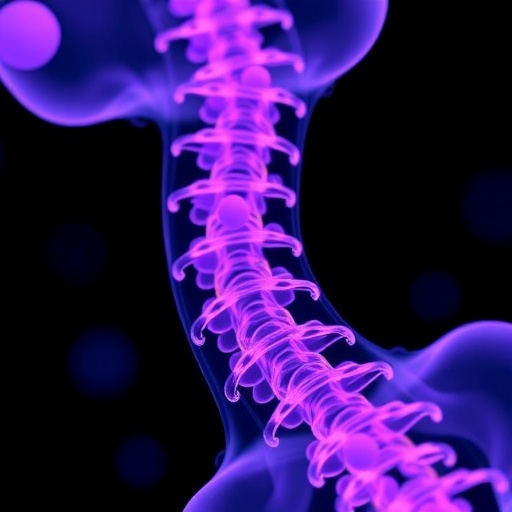
In a groundbreaking advancement poised to redefine treatment approaches for devastating spinal cord injuries, researchers at Northwestern University have engineered the most sophisticated human spinal cord organoid model to date. These miniature, lab-grown tissues replicate the complex cellular environment of the human spinal cord, enabling unprecedented insights into injury mechanisms and regenerative therapies. By deploying this novel platform, the team has successfully emulated the hallmark pathophysiology of spinal cord trauma—including neuronal cell death, inflammatory responses, and the notorious glial scarring that hinders neural repair.
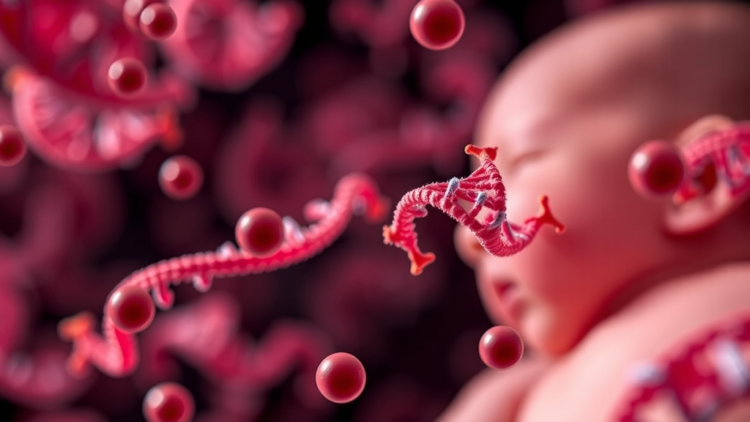
Central to this breakthrough is the application of an innovative therapeutic agent dubbed “dancing molecules,” a supramolecular technology developed under the auspices of senior author Samuel I. Stupp. Unlike conventional static molecular drugs, these dynamic molecules exhibit rapid motion within their nanofiber scaffold, mimicking the natural kinetics of cellular receptors and thereby potentiating cell signaling crucial for regeneration. When administered to injured organoids, the therapy markedly stimulated neurite outgrowth, the slender projections of neurons integral to reestablishing functional neural circuits post-injury. Equally notable was the attenuation of glial scar density, a formidable barrier in spinal injury recovery, underscoring the therapeutic’s multifaceted efficacy.
Organoids, derived from induced pluripotent stem cells, serve as simplified yet remarkably faithful replicas of human tissue. These three-dimensional constructs preserve the intricate cellular heterogeneity and microenvironment of native organs, making them exceptional models for human disease study and drug efficacy testing. While organoid technologies have been applied across various domains, Northwestern’s spinal cord model distinguishes itself by integrating microglia, the central nervous system’s resident immune cells, thereby authentically recapitulating the inflammatory milieu that follows traumatic injury. This incorporation advances the organoid’s physiological relevance significantly beyond prior iterations.
In their experimental design, the investigators induced two distinct injury paradigms within the organoids—laceration and contusion—mirroring clinical scenarios that arise from surgical trauma or blunt force impacts, respectively. These controlled insults reproduced cellular demise and scar formation observed in actual spinal cord injuries, validating the organoid’s utility as a precise injury model. Upon treatment with dancing molecules, these injured tissues exhibited robust regeneration marked by the resurgence of neurite networks and reorganization of neuron architecture, indicative of functional neural recovery potential.
The “dancing molecules” technology itself represents a paradigm shift in molecular therapeutics. Formed from supramolecular peptide assemblies exceeding 100,000 molecules, these compounds leverage collective molecular motion to engage cell surface receptors actively. This dynamic interaction contrasts with static ligand-receptor binding, accounting for enhanced signal transduction and subsequent tissue repair. Injected as a liquid, the preparation swiftly solidifies into a nanofiber matrix resembling the extracellular matrix of spinal tissue, providing both mechanical support and bioactive signaling conducive to neuronal regeneration.
Evidence from prior animal studies corroborates the therapeutic’s promise; a single administration within 24 hours post-injury enabled paralyzed mice to regain ambulation within four weeks. These findings underscore a potent link between molecular mobility and therapeutic efficacy, with formulations engineered for heightened motion outperforming slower, less dynamic counterparts. The human organoid experiments further solidify this relationship, as dynamic molecules were uniquely effective in promoting neurite extension, highlighting the importance of molecular kinetics in regenerative medicine.
Samuel I. Stupp and his team’s spinal cord organoid model not only offers a cutting-edge platform for therapeutic evaluation but also opens avenues for personalized medicine. By utilizing a patient’s own stem cells to grow organoids, it may become feasible to tailor injury models and treatments that minimize immune rejection risks. Moreover, the group plans to innovate models that mimic chronic spinal cord injuries, which are characterized by entrenched scar tissue resistant to repair, thereby addressing a critical unmet need in neuroregeneration research.
The successful simulation of inflammatory responses within the organoid is of particular significance. Microglia-mediated inflammation plays a dual role in injury, contributing to both neurotoxicity and repair. By incorporating microglial populations, the organoid model allows nuanced exploration of this balance, facilitating the design of interventions that modulate immune activity to favor regeneration while limiting secondary neuronal damage. This adds a layer of fidelity that could drastically improve the predictive validity of preclinical therapeutic screens.
Neurological disorders such as paralysis following spinal trauma have long baffled clinicians due to the complex interplay of molecular and cellular elements governing injury and repair. With this advanced human model, researchers can now dissect these processes with unprecedented clarity. Observations of astrocyte morphology distinguishing normal from scar-forming phenotypes, alongside measurements of chondroitin sulfate proteoglycans—key molecules implicated in inhibiting axonal regrowth—offer mechanistic insights essential for developing targeted interventions.
The implication of dancing molecules extends beyond spinal cord injury repair. This supramolecular therapeutic approach paves the way for broader applications across regenerative medicine, where molecular motion dynamics can be harnessed to optimize cell receptor engagement and signaling. Notably, Stupp’s lab’s previous ventures into similar technologies have influenced treatment regimes for metabolic diseases, demonstrating the versatility and transformative potential of motion-based molecular therapeutics.
This convergence of organoid technology and dynamic supramolecular therapeutics exemplifies a new frontier in biomedical engineering, facilitating not only mechanistic research but also translational medicine. By bridging the gap between traditional animal models and human clinical trials, these innovations accelerate the path toward effective therapies, holding promise to dramatically improve quality of life for patients enduring paralysis and sensory deficits post-spinal cord injury.
The study titled “Injury and therapy in the human spinal cord organoid” was supported by Northwestern University’s Center for Regenerative Nanomedicine and philanthropic contributions from the John Potocsnak Family. The full research further details the sophisticated design and compelling results of this organoid-based regenerative platform, cementing its role as a pivotal tool in the evolving landscape of neurological injury treatment.
Subject of Research: Lab-produced tissue samples
Article Title: Injury and therapy in a human spinal cord organoid
News Publication Date: 11-Feb-2026
Web References:
https://dx.doi.org/10.1038/s41551-025-01606-2
https://news.northwestern.edu/stories/2021/11/dancing-molecules-successfully-repair-severe-spinal-cord-injuries/
References:
Samuel I. Stupp et al., “Injury and therapy in the human spinal cord organoid,” Nature Biomedical Engineering, 2026.
Image Credits: Samuel I. Stupp/Northwestern University
Keywords: Spinal cord injuries, Spinal cord, Traumatic injury, Contusions, Puncture wounds, Spinal injuries, Paralysis, Organoids, Organ cultures, Medical treatments, Nerve growth, Neurite outgrowth, Neurites
Tags: cellular signaling in spinal cord repairdancing molecules therapeutic approachglial scar reduction techniquesinduced pluripotent stem cell researchinnovative regenerative medicine solutionslab-grown spinal cord organoidsneurite outgrowth stimulationneuronal regeneration therapiesNorthwestern University spinal cord researchorganoid modeling for neuroscienceSpinal cord injury treatment advancementsspinal cord trauma pathophysiology