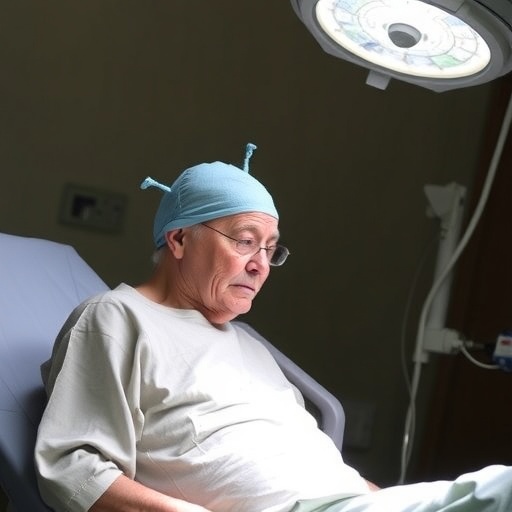
In the realm of healthcare, the intricacies of postoperative recovery, particularly in older adults, are gaining unprecedented attention. Recent research highlights the often-overlooked phenomenon of frailty that can significantly complicate recovery after surgery. A prospective multicenter study conducted in China has shed light on this crucial issue, revealing the interconnections within a network of factors that contribute to postoperative frailty in older populations. The findings underscore the necessity for heightened awareness and tailored interventions aimed at supporting this vulnerable demographic.
The concept of frailty is multifaceted, involving a gradual decline in physiological reserve and resilience. It encompasses various domains, including physical strength, mobility, cognitive function, and overall health status. In older adults, frailty can lead to unfavorable surgical outcomes, increased hospital stays, and even mortality. The implications of this study extend far beyond statistical data; they resonate deeply with the lived experiences of countless older individuals undergoing surgical procedures.
At the heart of the research is a robust network analysis that delves into the interrelations between different medical and social factors contributing to frailty. By employing cutting-edge analytical techniques, the researchers were able to map out these complex relationships. This approach not only highlights the direct influences on frailty but also uncovers indirect connections, fostering a more comprehensive understanding of the postoperative landscape for older adults.
One of the striking findings of the study is the identification of key risk factors that exacerbate frailty post-surgery. Chronic illnesses, nutritional deficiencies, and psychological factors such as depression and anxiety were pinpointed as significant contributors. This broadens the horizon for healthcare practitioners, signaling the importance of a holistic approach when preparing older patients for surgical interventions. Recognizing these interconnected factors will be vital in crafting personalized treatment plans that can effectively mitigate risks.
Moreover, the study emphasizes the critical role of social support networks. A strong community presence can significantly influence an older adult’s recovery trajectory. Social interactions, availability of caregivers, and even emotional support systems were analyzed, revealing that individuals with robust social ties experience better postoperative outcomes. This insight is a call to action; healthcare systems must advocate for stronger community connections and resources to support older patients through their recovery processes.
The findings also prompt a reassessment of current surgical protocols for the elderly. Traditional approaches may not adequately account for the vulnerabilities associated with frailty. As the demographic of surgical patients evolves, so too must the strategies employed during pre-operative assessments, surgical planning, and postoperative care. This study serves as a foundation for further exploration into the development of frailty-specific surgical guidelines, recognizing the nuanced needs of older patients.
Technology’s role in enhancing recovery from frailty is another intriguing aspect illuminated by this research. The introduction of telehealth and remote monitoring tools can offer unprecedented support to older adults post-surgery. Monitoring vital signs, medication adherence, and even mental health parameters through digital applications can provide healthcare providers with real-time data to intervene promptly when issues arise. The combination of technology and personalized care could revolutionize recovery protocols, ultimately leading to improved outcomes for frail surgical patients.
Additionally, this study raises vital questions about future research directions. While the current findings provide essential insights into frailty and postoperative recovery, further investigations could delve into preventative measures to reduce the incidence of frailty before surgery. Understanding how pre-operative evaluations influence postoperative outcomes could pave the way for innovative practices that fortify older adults against the risks associated with surgical interventions.
As the research community looks toward the future, it is imperative that findings like these resonate with policymakers and healthcare decisionmakers. Implementing the study’s recommendations may require substantial shifts in healthcare policy to prioritize the unique challenges faced by older surgical patients. This necessitates a collaborative approach, where clinicians, researchers, and policymakers come together to form a cohesive strategy that addresses the complexities of frailty in this population.
In summary, the implications of the study extend into practical realms, suggesting the need for comprehensive training for healthcare professionals on frailty’s multifactorial nature. Education will be paramount in equipping clinicians to recognize early signs of frailty and to initiate interventions that can significantly alter postoperative trajectories. As the healthcare landscape continues to evolve, the integration of frailty considerations into everyday clinical practice will become increasingly important.
Ultimately, the research underscores a fundamental truth: each older adult is not just a patient but a person with unique stories, backgrounds, and needs. Recognizing the individuality of each patient can foster a more empathetic and effective healthcare system that champions not only survival but also quality of life in the delicate postoperative period.
As we move forward, embracing the findings of this research and implementing changes in clinical practice and policy can lead to a brighter, healthier future for older adults undergoing surgery. By addressing the complexities of frailty through a networked approach, we can enhance the quality of care and improve surgical outcomes, enabling older individuals to thrive after surgery.
Subject of Research: Postoperative frailty in older adults
Article Title: A network analysis of postoperative frailty in older adults: a prospective multicenter study in China
Article References:
liang, H., Chen, J., Liao, H. et al. A network analysis of postoperative frailty in older adults: a prospective multicenter study in China. BMC Geriatr (2026). https://doi.org/10.1186/s12877-026-07057-x
Image Credits: AI Generated
DOI:
Keywords: Frailty, older adults, postoperative recovery, network analysis, healthcare.
Tags: cognitive function and surgeryelderly patient health statusenhancing recovery for older adultsfactors influencing postoperative frailtyfrailty in older adultshealthcare strategies for frailtyinterventions for frail elderlymobility issues in postoperative recoverynetwork analysis in healthcarepostoperative recovery in elderly patientssurgical outcomes and frailtyunderstanding frailty in surgery