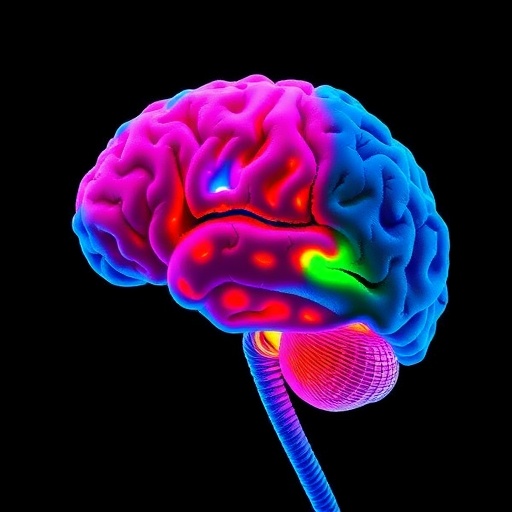
Chronic alcohol consumption exerts profound and lasting effects on the human brain, particularly on genetic expression within neural circuits responsible for reward, impulse control, and decision-making processes. A groundbreaking study from the Institute for Neurosciences—a collaborative effort between Miguel Hernández University of Elche and the Spanish National Research Council—has shed new light on the intricate molecular alterations that underpin alcohol use disorder (AUD). Published in the prestigious journal Addiction, this research delves into how the endocannabinoid system (ECS), a vital neuromodulatory network, is disrupted after decades of heavy alcohol use, revealing previously unknown targets for therapeutic intervention.
Alcohol use disorder remains a significant public health challenge globally, ranking among the leading causes of morbidity and mortality. Despite its substantial social and medical ramifications, effective treatments are remarkably limited. Professor Jorge Manzanares, senior author of the study, emphasizes that elucidating the neurobiological transformations caused by long-term alcohol exposure is crucial for the rational design of next-generation therapies. The study’s focus on post-mortem human brain tissue confers a unique and highly translational perspective, addressing a critical gap in addiction neuroscience.
At the heart of this investigation lies the endocannabinoid system, a complex network comprising cannabinoid receptors (notably CB1 and CB2), endogenous ligands such as anandamide and 2-arachidonoylglycerol, and enzymatic regulators including FAAH and MGLL. The ECS orchestrates a wide array of central nervous system functions pivotal to mood, memory, stress response, and reward processing. Historically recognized for its role in modulating neural excitability, synaptic plasticity, and behavioral reinforcement, the ECS has been implicated increasingly in addiction pathways, though human data have remained scarce and fragmentary until now.
The research team concentrated on two fundamental nodes of the mesocorticolimbic system: the prefrontal cortex, known for governance over executive functions like planning and judgment, and the nucleus accumbens, a crucial hub for reward evaluation and the development of habitual behaviors. These regions were meticulously examined using mRNA quantification techniques to assess gene expression changes related to ECS components in individuals with chronic AUD versus control subjects without addiction history.
Results revealed a striking upregulation of the CB1 receptor gene, which surged by approximately 125% in the prefrontal cortex and 78% in the nucleus accumbens among individuals diagnosed with AUD. This finding aligns with CB1’s established role in reinforcing addictive behaviors and potentiating relapse susceptibility. Enhanced CB1 expression likely intensifies dopaminergic signaling within reward circuits, perpetuating compulsive alcohol seeking despite adverse consequences.
Conversely, the CB2 receptor gene exhibited a marked downregulation, decreasing by nearly half in both examined brain regions. Given CB2’s neuroprotective and anti-inflammatory functions, this reduction suggests a compromised endogenous defense mechanism against alcohol-induced neurotoxicity and neuroinflammation. The decline in CB2 signaling may further exacerbate neuronal damage and impair synaptic integrity in vulnerable circuits.
One of the most novel dimensions of the study was its exploration of GPR55, a receptor previously termed an ‘orphan’ due to ambiguous endogenous ligands and functional roles. GPR55 gene expression displayed region-specific diversity, increasing modestly in the prefrontal cortex (+19%) while plummeting by 51% in the nucleus accumbens. This dichotomous modulation suggests GPR55 may differentially influence cognitive and reward-related processes in the context of AUD, heralding a promising new avenue for research into addiction neurobiology.
Moreover, FAAH gene expression, encoding the enzyme responsible for degrading anandamide, was found to be significantly altered. FAAH levels decreased in the prefrontal cortex, potentially prolonging anandamide signaling in this area, whereas in the nucleus accumbens FAAH expression rose by 24%, likely curtailing anandamide availability. These opposing patterns may disrupt endocannabinoid homeostasis, modulating anxiety and reward pathways through region-specific enzymatic control.
The study’s strength is amplified by the rigorous selection of brain tissue samples sourced exclusively from the New South Wales Tissue Resource Centre in Australia. Importantly, all donors had confirmed histories of chronic alcohol use disorder without confounding illicit drug use, isolating alcohol’s specific impact on ECS gene expression. This precision facilitates clearer attribution of observed neurogenetic changes to alcohol alone, distinguishing them from polysubstance effects that have previously clouded interpretation.
Findings from this research illuminate molecular mechanisms contributing to the heightened relapse risk and impaired cognitive control characteristic of alcohol use disorder. By mapping molecular aberrations of the endocannabinoid system across critical mesocorticolimbic structures, this study delineates novel biomarkers and therapeutic targets that could catalyze the development of tailored, more efficacious interventions for AUD patients.
The collaborative effort was led by Professors Jorge Manzanares and María Salud García-Gutiérrez, along with Abraham Bailén Torregrosa, Francisco Navarrete, Auxiliadora Aracil, and Gabriel Rubio, incorporating expertise spanning neuropsychopharmacology, primary care addiction research, and clinical neuroscience. Funding support from the Carlos III Health Institute, Spanish Ministries of Science and Innovation and Health, and ISABIAL underscores national commitment to advancing addiction research.
As chronic alcohol exposure continues to impose a tremendous burden worldwide, these insights mark a critical advance in addiction biology. Deciphering the dysregulated endocannabinoid gene networks in brain regions pivotal for behavior control heralds a new frontier in understanding and mitigating alcohol addiction. By unlocking ECS’s complex signaling alterations, this work offers hope for innovative therapeutic strategies capable of reversing the neurobiological imprint of sustained alcohol abuse, potentially transforming lives affected by this pervasive disorder.
Subject of Research: Human tissue samples
Article Title: Endocannabinoid system gene expression in mesocorticolimbic brain regions of individuals with alcohol use disorder: A descriptive study
News Publication Date: 21-Dec-2025
Web References: http://dx.doi.org/10.1111/add.70293
Keywords: Alcoholism, Substance related disorders, Addiction, Diseases and disorders, Neuroscience, Clinical neuroscience, Molecular neuroscience, Neuropharmacology, Psychopharmacology, Molecular neuropharmacology, Human genetics, Genetic epidemiology, Genetic screening, Behavior genetics
Tags: Alcohol Use Disorder researchbrain regions affected by alcoholchronic alcohol consumptionendocannabinoid system disruptiongene expression alterationsimpulse control and decision-makingneural circuits and addictionneurobiological transformations in addictionpost-mortem brain tissue studiespublic health challenges of alcohol usetherapeutic interventions for AUD