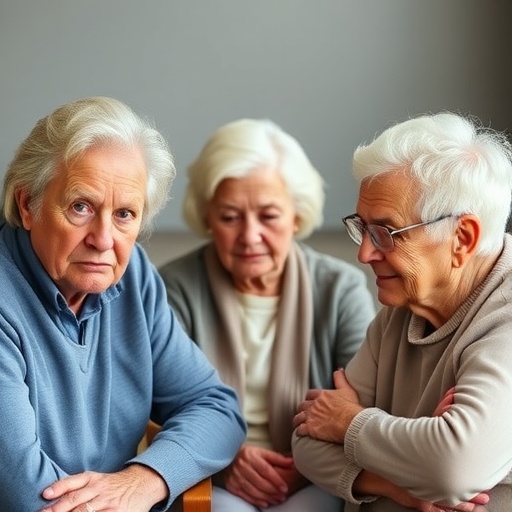
A groundbreaking study titled “AIDE_long—acute illness and depression in the elderly: sustained improvement after group psychotherapy in geriatric patients, a follow-up of long-term effects in a randomized controlled trial,” brings to light vital findings regarding mental health interventions for older adults today. Conducted by esteemed researchers Hummel, Weisbrod, Boesch, and colleagues, this research highlights a pivotal area in geriatric care, where mental health outcomes are essential for enhancing the quality of life among the elderly population.
As increasingly more individuals live longer due to advances in healthcare, it becomes critically important to address not only their physical health but also their psychological well-being. The AIDE_long project underscores a pressing concern: how acute illnesses contribute to the onset or exacerbation of depressive symptoms in older adults. Recognizing the intertwined relationship between physical and mental health is fundamental to creating effective health care strategies for this demographic.
Depression in the elderly is often under-diagnosed and under-treated, presenting unique challenges. Subtle symptoms can easily eclipse the more apparent ones, creating a situation where mental health issues remain unaddressed. This study taps into the burgeoning discourse surrounding mental health treatment modalities for older adults by exploring the effectiveness of group psychotherapy.
Group psychotherapy, a therapeutic approach where members share experiences and support one another under the guidance of a trained facilitator, has shown promise in various populations, but its specific impacts on geriatric patients have not been extensively explored. The authors recognized this gap and set out to contribute to the understanding of its potential benefits in alleviating depressive symptoms among the elderly—especially in the aftermath of acute medical episodes.
The study design utilized a randomized controlled trial (RCT) framework, which remains the gold standard in clinical research. This methodological choice provides robust evidence due to its ability to minimize bias and establish cause-effect relationships. Participants were carefully selected and randomly assigned either to a treatment group that received the group psychotherapy intervention or to a control group that did not. This structure ensures that any observed improvements in mental health can be attributed directly to the therapeutic intervention, rather than other external factors.
During the study’s implementation, group therapy sessions were conducted in a supportive environment, conducive to open discussions about personal experiences with illness, emotions, and coping strategies. By fostering a sense of community among participants, the psychotherapy aimed to reduce feelings of isolation, which predispose many elderly individuals to depression. The potential of such interventions lies in their ability to create lasting social connections and promote shared resilience among participants.
Initial assessments were conducted prior to the intervention, establishing baseline measures for participants’ mental health statuses. This included standardized evaluations for depression, anxiety, and overall emotional well-being. Following several weeks of group therapy, researchers observed substantial improvements in participants’ psychological state. Interestingly, these benefits were not short-lived. Longitudinal follow-ups revealed that the positive effects of group psychotherapy persisted over time, suggesting a sustained improvement in emotional well-being.
The findings from this study have substantial implications for geriatric mental health care. By demonstrating that structured, supportive interventions can enact positive change, the authors advocate for a reevaluation of current practices in elder care. Integrating mental health services within the broader framework of geriatric medicine could tackle the dual burden of physical and mental health challenges faced by this age group.
Additionally, the study’s results prompt a larger conversation about resource allocation in healthcare. Given that mental health care is often underfunded in comparison to physical health services, the evidence from the AIDE_long study could advocate for more equal investment in mental health resources for older populations. By prioritizing mental health, healthcare systems can ultimately improve outcomes across the board for elderly patients.
The psychological implications of acute illnesses on elderly patients underscore a critical need for ongoing research in this sphere. Understanding how various factors—such as social support, therapy types, and individual resilience—contribute to mental health outcomes will be instrumental in shaping future interventions. The collaboration highlighted in this study serves as a model for how interdisciplinary teams can effectively address complex health issues, fostering a holistic approach to elder care.
Moreover, the study adds to a growing body of literature advocating for proactive approaches to mental health in the elderly. Instead of merely reacting to crises, integrating preventative measures that address mental health proactively can lead to healthier, more fulfilling lives for older adults.
As we look toward the future of geriatric mental health care, studies like AIDE_long will remain critical in shaping evidence-based practices. By illuminating the positive impacts of group psychotherapy, this research paves the way for innovative interventions, potentially leading to policy changes that prioritize mental health support as an essential component of comprehensive care strategies for the aging population.
In closing, the insights gathered from this study resonate deeply in our current healthcare discussions. It calls for sustained attention to the mental health of older adults—an area that, despite its significance, has historically received less focus. The legwork laid down by Hummel, Weisbrod, Boesch, and their team will undoubtedly influence both clinical practice and future research endeavors.
Subject of Research: Impact of group psychotherapy on acute illness and depression in elderly patients.
Article Title: AIDE_long—acute illness and depression in elderly: sustained improvement after group psychotherapy in geriatric patients, a follow-up of long-term effects in a randomized controlled trial.
Article References:
Hummel, J., Weisbrod, C., Boesch, L. et al. AIDElong—acute illness and depression in elderly: sustained improvement after group psychotherapy in geriatric patients, a follow-up of longterm effects in a randomized controlled trial. BMC Geriatr (2026). https://doi.org/10.1186/s12877-026-06983-0
Image Credits: AI Generated
DOI:
Keywords: Geriatrics, Mental Health, Group Psychotherapy, Depression, Acute Illness, Randomized Controlled Trial, Elderly Care
Tags: acute illness and depression in elderlyaddressing mental health in agingelderly depression recoverygeriatric care mental healthgroup therapy effectiveness for seniorshealthcare strategies for geriatric depressionimproving quality of life for elderlylong-term effects of group psychotherapymental health interventions for older adultspsychological well-being in aging populationrandomized controlled trial on depressionunderdiagnosed depression in seniors