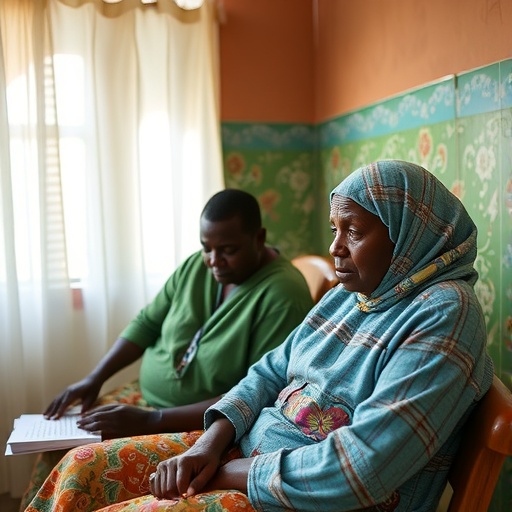
Title: Understanding the Complexities of Hospitalized Older Adults in Rwanda: A Comprehensive Exploration
In a remarkable study, researchers have delved into the medical landscape affecting older adults within the Rwandan healthcare system, focusing specifically on their characteristics and outcomes when admitted to university teaching hospitals for medical reasons. This pioneering research, led by Ngabitsinze et al., presents vital insights that may transform how healthcare systems approach geriatric medicine in Rwanda and potentially in similar contexts across the globe.
The study shines a light on the growing demographic of older adults in Rwanda, where a significant portion of the population is now aged 60 and above. As this demographic transition occurs, understanding the medical needs of older patients becomes critically important, especially as they are more susceptible to chronic diseases and complex health issues that require hospitalization.
Hospitalized older adults often present unique challenges for healthcare providers. The intricate nature of their health often results in multifaceted medical conditions that necessitate careful management and a holistic approach to treatment. Ngabitsinze and colleagues’ research seeks to examine not just the immediate medical needs of these patients, but also the broader implications of their hospital experiences, aiming to generate data-driven solutions for improving care.
The methodology employed in the study is extensive. Utilizing a retrospective analysis of medical records from university teaching hospitals across Rwanda, the researchers assessed various parameters including patient demographics, reasons for hospitalization, length of stay, and discharge outcomes. Such rigorous examination allows for a deeper understanding of trends and could inform policy changes aimed at enhancing geriatric care.
One of the primary findings of this research indicates that the most common reasons for hospitalization among older adults include cardiovascular diseases, respiratory issues, and complications from diabetes. These conditions often coexist, compounding the challenges of treatment. The findings underscore the need for specialized training for hospital staff in managing such complex cases, which can improve both patient outcomes and the overall efficiency of care delivery.
Further, the study highlights the disparities in healthcare resources available to older adults in Rwandan hospitals. Many facilities face limitations such as staff shortages, inadequate medical equipment, and insufficient geriatric-specific training. Addressing these gaps is essential for transforming the care landscape for older individuals, ensuring they receive the quality attention they deserve during hospital stays.
Another interesting angle of the research is the psychological impact of hospitalization on elderly patients. The emotional distress, confusion, and potential isolation experienced during hospital stays can be detrimental to their recovery and overall well-being. The study advocates for integrated mental health support to be included in hospital care protocols, emphasizing that mental and physical health are intrinsically linked, especially in older populations.
Examining patient outcomes post-discharge is equally critical. The research reveals that a significant proportion of older adults experienced readmissions within weeks of leaving the hospital, often due to inadequate follow-up care or support systems at home. This raises an important conversation about the continuity of care and the need for comprehensive discharge planning that incorporates community resources.
The implications of this study extend beyond the immediate healthcare setting and touch upon broader societal issues, such as aging infrastructure and the need for family-centered care models. Many older adults rely heavily on family members or caregivers for support, which emphasizes the importance of family involvement in the overall treatment process—before, during, and after hospitalization.
Ngabitsinze et al.’s findings contribute invaluable data to the ongoing discourse about geriatric care in developing countries, particularly as healthcare leaders work to implement more targeted interventions. The study catalyzes a necessary dialogue about the sustainability of hospital systems that are equipped to handle the aging population’s needs, urging for an operational shift that prioritizes geriatric-friendly practices.
In conclusion, the research encapsulates the challenges and nuances of caring for hospitalized older adults in Rwanda. It advocates for a reevaluation of current healthcare practices, urging stakeholders to invest in geriatric training, improve resource allocation, and enhance community support systems. Progress in these areas could not only improve health outcomes for older adults in Rwanda but could also serve as a model for similar global contexts facing challenges related to aging populations.
As the geriatric population continues to grow both in Rwanda and worldwide, studies like this one are essential for paving the way toward more effective, compassionate, and comprehensive care for older adults, ensuring that their needs are met with appropriate urgency and respect.
Subject of Research: Hospitalized older adults in Rwanda and their medical outcomes.
Article Title: Characteristics and outcomes of hospitalized older adults admitted for medical reasons at university teaching hospitals in Rwanda.
Article References:
Ngabitsinze, P., Nkeshimana, M., Tuyizere, A. et al. Characteristics and outcomes of hospitalized older adults admitted for medical reasons at university teaching hospitals in Rwanda.
BMC Geriatr (2026). https://doi.org/10.1186/s12877-026-07106-5
Image Credits: AI Generated
DOI:
Keywords: Geriatric care, older adults, hospitalization, Rwanda, healthcare disparities, patient outcomes, chronic diseases, mental health support, continuity of care.
Tags: chronic diseases in older populationscomplex health issues in aging populationsdata-driven solutions in healthcaredemographic transition in Rwandageriatric medicine in developing countrieshealthcare challenges for elderly patientshealthcare system insights for geriatric careholistic approach to elderly carehospitalized older adults in Rwandaimproving care for older adultsmedical outcomes for hospitalized seniorsuniversity teaching hospitals and older patients