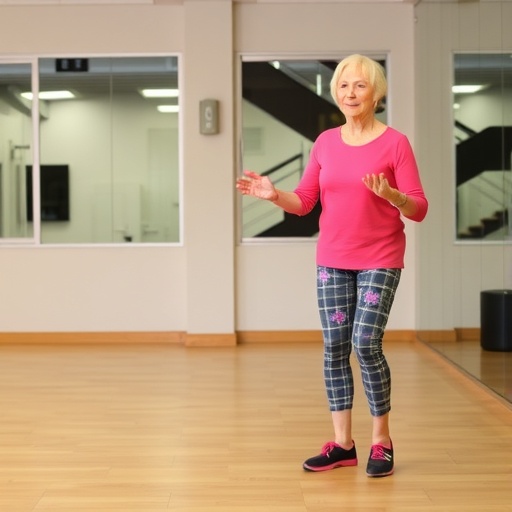
In a groundbreaking study published in the journal BMC Geriatrics, researchers have revealed compelling evidence regarding the effects of sensorimotor training on elderly women suffering from genu varum. This condition, characterized by a bowing of the legs, poses significant challenges to balance and proprioception, especially in older populations. The research team, comprising of M. Rezaei, S. Roshani, and E. Mohammad Ali Nasab Firouzjah, conducted a randomized controlled trial over eight weeks, illuminating how targeted exercises can improve both physical capabilities and overall quality of life for individuals affected by this orthopedic issue.
The study involved a cohort of elderly women diagnosed with genu varum, a condition that not only affects gait but also leads to weakened muscle strength around vital joints, particularly the hips. These women often find themselves at an increased risk of falls, which is the leading cause of injury among older adults. With these participants ranging in age, the research aimed to answer a pressing question in geriatric health: Can sensorimotor training effectively bolster balance, proprioception, and strength in this vulnerable demographic?
Sensorimotor training is a therapeutic intervention designed to enhance the connection between sensory input and motor output. This training encompasses various exercises that challenge the body’s balance and proprioceptive systems, aiming to improve coordination and stability. Given the aging process and the inherent decline in neuromuscular function, such training may hold the key to reversing some of the physical limitations faced by older adults. The researchers hypothesized that an eight-week regimen of sensorimotor training would yield significant improvements in these areas.
During the trial, participants were subjected to a comprehensive sensorimotor training program that included a variety of exercises. These exercises were specifically engineered to target hip abductor strength and overall balance. Participants underwent assessments before the intervention began and after its completion, ensuring that any changes in physical function could be meticulously measured. The assessments included balance tests and proprioceptive evaluations, key factors that contribute to the stability and mobility of elderly individuals.
The results were nothing short of promising. Following the completion of the eight-week training program, women in the experimental group displayed notable enhancements in their ability to maintain balance. The findings indicated a marked improvement in stability, which was assessed through standardized balance tests. Furthermore, the training regimen also seemed to impact proprioceptive capabilities positively, suggesting that the participants became more aware of their body positioning without relying heavily upon visual cues. This new-found balance was crucial in reducing the risks of falls—a common and dangerous occurrence in the elderly population.
Moreover, the research also highlighted improvements in hip abductor isometric strength among the participants. As the hip abductors play an essential role in maintaining stability and mobility during various movements, enhancing this strength can significantly affect an individual’s physical performance. The training not only focused on balance but also built core strength, providing a dual benefit that could alter the trajectory of health seen in older adults suffering from various musculoskeletal issues.
The assessments performed at the study’s conclusion also revealed that participants reported improved confidence in their physical abilities. This psychological aspect is as crucial as the physical improvements themselves, as it can lead to increased social interaction, more physical activity, and, ultimately, a more fulfilling life. The intertwined relationship between physical health and mental wellbeing underscores the importance of such interventions. Participants felt empowered, reflecting an increased quality of life that extends beyond mere physical gains.
Additionally, the research brings attention to the pressing need for integrating such training programs into community health initiatives aimed at elderly populations. With the increasing pressures of an aging demographic, it becomes imperative to develop cost-effective and accessible interventions that can significantly improve geriatrics’ health outcomes. Public health strategies could benefit from incorporating sensorimotor training as part of regular exercise programs, focusing on fall prevention and improving the overall functional capacity of older adults.
Within the context of public health, the broader implications of these findings deserve attention. With fall-related injuries presenting a myriad of challenges not just to the individuals but also to the healthcare system at large, effective preventive measures could relieve some burden on healthcare services. The authors of this study advocate for more extensive efforts to disseminate these findings, encouraging healthcare professionals to adopt sensorimotor training protocols in their practices.
While the study makes significant strides in understanding the benefits of sensorimotor training, it also opens avenues for future research. More extensive longitudinal studies can provide insight into the long-term effects of such interventions on mobility, strength, and quality of life. Furthermore, investigating diverse populations and varying degrees of genu varum may uncover tailored exercise regimens suited to specific individuals’ needs, thus further personalizing geriatric physical therapy.
In conclusion, the randomized controlled trial undertaken by Rezaei, Roshani, and Mohammad Ali Nasab Firouzjah represents a pivotal moment in geriatric health research. By illustrating the transformative impact of sensorimotor training on balance and strength, the study not only illuminates a pathway for better physical health but also reinforces the psychological benefits gained from increased physical autonomy. As the population ages, such insights will be critical in redefining health practices and developing effective interventions that uphold the dignity and well-being of our elderly community.
Embracing innovative approaches like sensorimotor training will play a vital role not only in bolstering physical health but in fostering vibrant, engaged lives for older adults. Future research should continue to explore the interplay between physical training and mental health, ensuring that as we age, we do not merely survive, but thrive.
Subject of Research: The effects of sensorimotor training on balance, proprioception, and strength in elderly women with genu varum.
Article Title: The effects of eight weeks of sensorimotor training on balance, proprioception, and hip abductor isometric strength in elderly women with genu varum: a randomized controlled trial.
Article References: Rezaei, M., Roshani, S. & Mohammad Ali nasabFirouzjah, E. The effects of eight weeks of sensorimotor training on balance, proprioception, and hip abductor isometric strength in elderly women with genu varum: a randomized controlled trial. BMC Geriatr (2026). https://doi.org/10.1186/s12877-026-07079-5
Image Credits: AI Generated
DOI: 10.1186/s12877-026-07079-5
Keywords: sensorimotor training, elderly women, genu varum, balance, proprioception, hip abductor strength, randomized controlled trial.
Tags: exercises for enhancing balance in seniorsfall prevention strategies for elderlygenu varum and balance issuesimpact of exercise on geriatric healthimproving proprioception in older adultsmuscle strength and joint health in seniorsorthopedic conditions in aging populationsphysical capabilities in elderly womenquality of life improvements through exerciserandomized controlled trial in geriatricssensorimotor training for elderly womentherapeutic interventions for balance disorders