The nematode Caenorhabditis elegans (C. elegans), a microscopic worm with a nervous system composed of only 302 neurons, continues to garner significant scientific interest as a model organism for studying fundamental processes of neural function and aging. Despite its simplicity compared to the human brain, which contains approximately 90 billion neurons, the fundamental cellular and molecular mechanisms of neuronal aging appear to be conserved across species. This makes C. elegans an ideal system to explore the intricacies of brain aging, particularly the vulnerability and resilience of individual neurons to neurodegenerative processes, with a clarity unattainable in more complex organisms.
A recent groundbreaking study spearheaded by Professor Dr. Björn Schumacher, a Principal Investigator at the CECAD Cluster of Excellence for Aging Research, alongside bioinformatician Dr. David Meyer, has advanced our understanding of neuronal aging. Their work focuses on delineating the biological age of individual neurons within C. elegans using a novel aging clock calibrated via precise gene expression changes, enabling remarkably accurate predictions of neuronal biological age. This approach, published in Nature Aging, reveals heterogeneity in the aging trajectories of neurons, even among young adult nematodes, underscoring the complex and cell type-specific nature of neurodegeneration.
Through their innovative methodology, the researchers discovered striking differences in the estimated biological age of individual neurons in young C. elegans specimens. Paradoxically, some neurons exhibited “pre-aged” characteristics, appearing older than the chronological age of the whole organism. This phenomenon suggested that differential aging rates at the cellular level might predispose specific neurons to early degeneration. Neuroscientist Dr. Christian Gallrein further investigated these prematurely aged neurons and documented rapid degeneration and structural decline, including the deterioration of neuronal processes, occurring within a brief time window after adulthood.
The team’s elucidation of the molecular drivers underpinning neuronal aging uncovered protein biosynthesis as a pivotal factor. Neurons exhibiting accelerated aging demonstrated heightened protein production activity, a metabolic hallmark that appears to drive their vulnerability. Intriguingly, when this biosynthesis was pharmacologically suppressed, those rapidly aging neurons were preserved significantly better, revealing a potential therapeutic target to mitigate neuron’s premature decline. These findings point to a complex balance between the biosynthetic demands of neurons and their long-term maintenance, with implications for understanding human neurodegenerative diseases.
To translate these mechanistic insights into therapeutic avenues, the researchers employed an AI-driven machine learning framework designed to evaluate small molecules for their potential to either accelerate or decelerate neuronal aging. This approach facilitated rapid and systematic classification of compounds based on their neuroprotective or neurotoxic effects. Among the promising candidates identified was syringic acid, a naturally occurring phenolic compound found in blueberries and blue grapes, known for its antioxidant properties. Another compound, vanoxerine, a dopamine reuptake inhibitor, also showed significant neuroprotective effects, preventing neuronal aging and structural decline within C. elegans.
Conversely, commonly studied agents such as resveratrol and the serotonin 5-HT1A receptor antagonist WAY-100635, surprisingly manifested neurotoxic effects by promoting neuronal aging and neurodegeneration in the nematode model. These findings challenge prevailing assumptions about these compounds’ universal neuroprotective qualities and underscore the necessity for context-specific evaluation of therapeutics in neural aging research. The differential response to these substances highlights the sophistication of neuronal aging mechanisms and the value of C. elegans as a model for high-throughput pharmacological screening.
The study’s integrative approach not only yielded insights into the heterogeneity of neuronal aging but also established a robust platform for future drug discovery aimed at preserving cognitive function through targeted interventions. By leveraging comprehensive transcriptomic datasets and sophisticated machine learning algorithms, the research team has opened a promising avenue for precision neurogerontology, where the vulnerability profile of individual neuron types can guide tailored therapeutic strategies.
Professor Schumacher emphasized the novelty and significance of their findings: “Our work has unveiled for the first time the disparate aging processes occurring within individual neurons, providing deep understanding of why certain neurons succumb earlier during aging.” This intracellular perspective challenges previous paradigms that largely viewed neuronal aging as a uniform phenomenon and paves the way for precision targeting in neurodegenerative disease treatment.
Furthermore, this study demonstrates the translational potential of C. elegans neuronal aging models to human health, given the conserved mechanisms observed. The application of predictive aging clocks derived from gene expression data mirrors emerging approaches in human biology, where biological age estimation is gaining traction as a more meaningful measure than chronological age. The cross-species parallels enhance the promise of this research as a foundation for combating neurodegenerative disorders linked to aging, such as Alzheimer’s and Parkinson’s diseases.
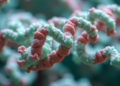
The use of fluorescent dyes in C. elegans neurons, as captured in detailed imaging by Dr. Christian Gallrein, provided an indispensable tool for tracking neuronal integrity and degeneration dynamically in live animals. These visual markers enable real-time correlation of gene expression changes with morphological alterations, further strengthening the biological relevance of their aging clock and pharmacological findings.
In sum, the convergence of molecular biology, aging research, advanced imaging techniques, and artificial intelligence has propelled this research to the forefront, offering new hope for strategies that not only delay brain aging but preserve neural function across the lifespan. The identification of substances like syringic acid and vanoxerine as neuroprotective agents shines a hopeful light on natural and synthetic compounds’ roles in aging intervention, while cautioning against uncritical use of substances previously heralded without comprehensive evaluation.
This study marks a significant leap in decoding the complexity of neuronal aging and sets a new benchmark for integrative research in neurobiology and pharmacology. As scientific understanding deepens, the prospect of maintaining cognitive health and combating neurodegeneration grows ever more tangible, fueled by insights gained from the unassuming nematode worm.
Subject of Research: Neuronal aging mechanisms and neuroprotective interventions in Caenorhabditis elegans
Article Title: Aging clocks delineate neuron types vulnerable or resilient to neurodegeneration and identify neuroprotective interventions
News Publication Date: 3-Feb-2026
Web References: https://doi.org/10.1038/s43587-026-01067-5
Image Credits: Christian Gallrein
Keywords: neuronal aging, Caenorhabditis elegans, aging clock, neurodegeneration, protein biosynthesis, machine learning, neuroprotection, syringic acid, vanoxerine, resveratrol, WAY-100635, brain aging
Tags: age-related neurodegenerationaging clock technologybiological age of neuronsC. elegans neurobiologyCECAD Cluster of Excellencecell type-specific aginggene expression in agingnematode model organismsNeurodegenerative disease researchneuronal aging mechanismsneuroprotective moleculesresilience in neural aging