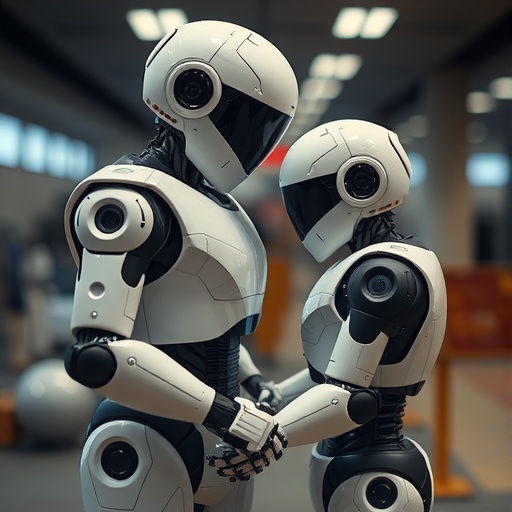
In an age when technology continues to redefine human interaction, new research paves the way for revolutionizing the way in which we address emotional well-being, particularly among older adults. A recent study led by researchers Chang and Muroi investigates the efficacy of socially assistive robots, designed to combat feelings of loneliness and depression that often afflict this demographic. This pioneering study protocol proposes a three-arm randomized controlled trial that compares the effectiveness of personalized robots against their standardized counterparts. The implications of such advancements could significantly enhance mental health support for elderly individuals, a sector increasingly recognized for its unique psychological challenges.
Loneliness and depression are prevalent issues among older adults, often exacerbated by social isolation and physical limitations that come with age. Traditional forms of therapy and companionship may not always be accessible to these individuals, leaving them vulnerable to mental health decline. As researchers delve into alternative methods, socially assistive robots emerge as a promising tool capable of bridging the gap in emotional support and companionship. These robots are designed to engage users with interaction features similar to human interaction, which could relieve the psychological burdens faced by seniors.
The research meticulously outlines a structured three-arm trial. One group will receive personalized socially assistive robots, programmed to adapt their responses and interactions based on individual user data. This tailored approach aims to create a more meaningful connection by resonating with the user’s unique preferences and psychological needs. Personalized robots might assess the emotional state of the user through voice recognition, facial expression analysis, or user feedback, adjusting their behavior accordingly to foster rapport and mitigate feelings of loneliness.
In contrast, another group will be introduced to standardized socially assistive robots, which operate on uniform programming principles without the capacity for user-specific customization. While these robots may still provide informational support and companionship, their lack of personalization could limit their effectiveness in addressing the nuanced emotional needs of elderly users. The trial aims to test the hypothesis that personalized robots yield more significant improvements in emotional well-being than standardized versions, offering insights into the future of robotic assistance for mental health.
The third group in the study will serve as a control, receiving no intervention, allowing researchers to measure the existing levels of loneliness and depression against the other two experimental groups. The establishment of such a control group is crucial, as it will help validate the overall effectiveness of robot-assisted interventions. By analyzing the differences in outcomes among the three groups, researchers aim to provide compelling evidence about the potential of socially assistive robots in improving mental health among older adults.
It is essential to recognize the technological advancements that make these robots viable options for emotional support. Artificial intelligence, machine learning, and advancements in robotics have created platforms capable of mimicking human behaviors and responses in benign ways. These technologies help ensure that robots can recognize and react to human emotions effectively, providing companionship that feels familiar and genuine. The integration of AI can lead to significant improvements in user satisfaction and emotional engagement, which are pivotal in determining the success of such interventions.
The overall goal of this research extends beyond measuring the capabilities of robots in mitigating loneliness. It also seeks to address the broader implications of utilizing technology for psychological well-being in older adults. As the aging population grows, there is an urgent need for effective strategies and supportive frameworks to ensure mental health is prioritized. The findings from this trial could inspire policymakers, healthcare professionals, and families alike to consider innovative solutions that blend technology with personal care in developing holistic support systems.
Furthermore, the potential societal impact of successfully implementing emotionally intelligent robots cannot be overstated. Loneliness and depression in older adults often result in increased healthcare costs and diminished quality of life. If robots can fill the emotional voids created by isolation, the healthcare system may witness a dramatic reduction in the need for more intensive psychological interventions or hospitalizations for mental health crises. This could not only enhance the quality of life for older individuals but also ease the burden on public health resources.
Nonetheless, ethical considerations are paramount when incorporating socially assistive robots into healthcare. Questions arise regarding dependence on technology for emotional support and the implications of human-robot relationships. The balance between fostering independent living for seniors while ensuring they do not become overly reliant on robotic companions is delicate. This research will hopefully instigate discussions about the responsible use of technology, emphasizing that robots are meant to complement human interaction rather than replace it.
As the study unfolds, the researchers are prepared to evaluate various benchmarks, such as changes in loneliness scores and reported depressive symptoms, throughout the trial duration. The analyses will not only focus on the quantitative aspects of the data but will also consider qualitative feedback from participants regarding their experiences with the robots. This dual approach will enrich the understanding of each group’s emotional journey and the robots’ role in their day-to-day lives.
In conclusion, the research protocol devised by Chang and Muroi signals a new frontier in tackling the pervasive issues of loneliness and depression within the older adult community. The potential success of personalized versus standardized socially assistive robots could redefine therapeutic approaches to emotional support. If the preliminary hypotheses stand validated, we may soon witness an innovative shift in how technology is integrated into elder care while promoting mental health and well-being. This highlights the importance of interdisciplinary research, combining technology, healthcare, and social sciences, to forge pathways toward healthier aging.
The upcoming results from this trial could lead to a significant re-evaluation of how we conceptualize companionship technologies. As the world increasingly embraces innovations in robotics, the responsibility lies with us to ensure that they serve to enhance human connection rather than diminish it. We remain at the precipice of what could be a transformative moment in fostering a supportive and understanding environment for our elders.
Subject of Research: Personalized versus standardized socially assistive robots for loneliness and depression reduction in older adults.
Article Title: Personalized versus standardized socially assistive robots for loneliness and depression reduction in older adults: study protocol for a three-arm randomized controlled trial.
Article References: Chang, F., Muroi, F. Personalized versus standardized socially assistive robots for loneliness and depression reduction in older adults: study protocol for a three-arm randomized controlled trial. BMC Geriatr (2026). https://doi.org/10.1186/s12877-026-07076-8
Image Credits: AI Generated
DOI:
Keywords: Socially assistive robots, loneliness, depression, older adults, randomized controlled trial, personalized care, mental health, technology in healthcare.
Tags: addressing depression in elderlycombating loneliness in elderly populationcompanionship through roboticsemotional well-being in older adultsinnovative solutions for lonelinessisolation and mental health in seniorsmental health support for seniorspersonalized robots vs standardized robotsrandomized controlled trial in gerontologyrole of robots in emotional supportsocially assistive robots for seniorstechnology and elder care