In a groundbreaking clinical trial, a patient who had been completely blind for over three years due to irreversible optic nerve damage experienced a rare and remarkable partial recovery of natural vision. This unexpected phenomenon emerged during a pioneering study conducted by researchers at Universidad Miguel Hernández de Elche (UMH) and the CIBER Center for Bioengineering, Biomaterials, and Nanomedicine (CIBER-BBN). The trial’s original objective was not to restore natural sight but to explore the capacity of cortical visual prostheses to elicit artificial visual sensations through direct brain stimulation.
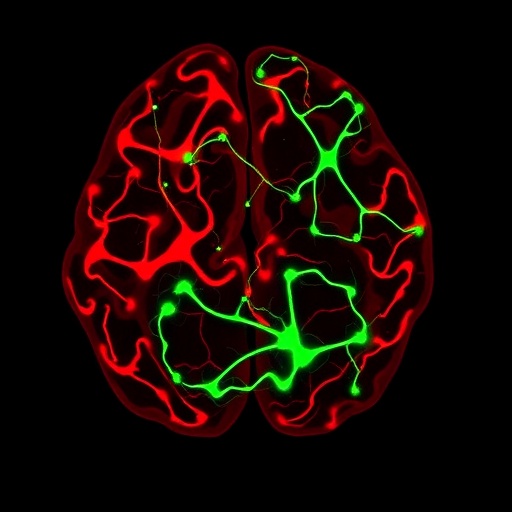
The trial involved the surgical implantation of a sophisticated intracortical microelectrode array comprising 100 microelectrodes into the patient’s primary visual cortex—a critical brain region responsible for interpreting visual information. This array was designed to deliver carefully calibrated electrical stimulation patterns intended to generate artificial visual percepts, known as phosphenes. Remarkably, within just two days after the implantation surgery, the patient reported perceiving lights and motion, describing visual experiences reminiscent of moving shadows—marking an unanticipated return of natural vision after an extended period of profound blindness.
Sustained visual training was implemented over subsequent months where the patient engaged in daily exercises designed to progressively activate and assess various aspects of vision. These activities included tests for light perception, spatial localization, motion detection, acuity, contrast sensitivity, and the recognition and tracking of shapes, letters, and numbers. The training regimen, combined with the patient’s strong motivation and persistent effort, likely contributed significantly to the partial restoration of natural visual function. Intriguingly, this improvement endured even after surgical removal of the intracortical implant, suggesting that the brain underwent lasting neuroplastic adaptations beyond the direct effects of electrical stimulation.
Electrophysiological assessments, including measurements of visual evoked potentials—electrical signals produced by the brain in response to visual stimuli—revealed a striking recovery timeline. Initially, these signals were virtually absent prior to the study, reflecting the severe visual pathway damage. However, over time and with continued intervention, these signals gradually re-emerged and strengthened, objectively confirming functional reactivation within the visual cortex. This neurophysiological recovery corresponded with the patient’s regained ability to discriminate shapes, identify letters, improve hand-eye coordination, and navigate daily environments with increased confidence and independence.
The patient’s experience challenges longstanding assumptions about the permanence of vision loss in cases of complete optic nerve damage. Typically, visual function recovery, if any, occurs within the initial months following injury, with little hope for restoration after this critical period. This case diverged from that pattern, revealing that under certain conditions—possibly including targeted intracortical stimulation, rigorous training protocols, and individual neurobiological factors—spontaneous and sustained visual recovery remains possible even years post-injury.
The underlying mechanisms responsible for this recovery remain speculative but offer promising research directions. One hypothesis is that the electrical stimulation induced enduring plastic changes within the cortical visual networks, potentially facilitating the recruitment or unmasking of alternative visual processing pathways. Additionally, feedback loops between residual subcortical structures and the cortex might have been potentiated. However, translating these observations into standardized therapy poses substantial challenges given the uniqueness of the patient’s response and the complexity of individualized brain physiology.
This case also shines light on the limitations of current visual prosthetic technologies and the critical importance of combining these devices with structured rehabilitative training and patient engagement to maximize therapeutic outcomes. Such intensive visual exercise might foster cortical remapping or neurogenesis, amplifying even subtle physiological signals into meaningful perceptual experiences. Moreover, advances in electrode array design and stimulation paradigms continue to evolve, potentially enhancing the precision and effectiveness of future brain-machine interfaces for vision restoration.
Despite the promising results, researchers caution that this recovery was documented in a single individual, underscoring the need for further systematic investigation through larger clinical trials. The variability in blindness etiology, brain plasticity, duration of vision loss, and patient-specific factors complicates attempts to generalize these findings. Future studies will be crucial to discern whether such recovery can be reliably reproduced and to optimize stimulation parameters tailored to diverse patient profiles.
These insights may have broad implications for designing novel rehabilitative strategies not only for blindness but also for other neurological conditions involving sensory loss or brain injury. Non-invasive brain stimulation techniques, such as transcranial electrical stimulation, might offer complementary or alternative approaches for promoting neural plasticity and functional recovery. The interdisciplinary collaboration between neuroengineering, neurology, and rehabilitation sciences will be pivotal in advancing these frontiers.
This clinical study exemplifies the transformative potential when cutting-edge neuroengineering meets rigorous scientific inquiry and patient-centered care. As noted by the lead researchers, the willingness of volunteers to participate significantly expands our understanding of the brain’s capacity to recover and adapt, even under seemingly irreversible conditions. Such contributions move the scientific community closer to unraveling the complex neural codes underpinning human vision and developing effective therapies to combat blindness.
The research was conducted in close partnership with IMED Elche Hospital, building on prior breakthroughs achieved by UMH’s Biomedical Neuroengineering Laboratory. Earlier successes include implanting devices that elicited recognizable artificial visual percepts of shapes and letters with unprecedented resolution. Their continuous innovation has led to the development of bidirectional communication systems with the visual cortex, allowing more naturalistic and functional artificial vision experiences, thereby enhancing patients’ autonomy and quality of life.
Funding for this research was secured from prominent sources including the Spanish Ministry of Science, Innovation and Universities, the European Union’s Horizon 2020 program under grant NeuraViPeR, and the Regional Government of Valencia’s research excellence initiative PROMETEO. These investments underscore the global interest in conquering sensory disabilities through technological and scientific innovation.
The publication of this case report in the prestigious journal Brain Communications represents a milestone in neuroprosthetics and vision restoration, stimulating ongoing dialogue and collaboration within the scientific community. Although many questions remain, this extraordinary example of spontaneous vision recovery inspires hope and galvanizes efforts toward developing effective, personalized treatments for individuals with profound blindness worldwide.
Subject of Research: People
Article Title: Recovery of spontaneous vision after intracortical microstimulation of the visual cortex in a profoundly blind patient: A case report
News Publication Date: 3-Feb-2026
Web References: DOI 10.1093/braincomms/fcaf504
References: Alfaro, A., Soo, L., Fernández Jover, E., et al. (2026). Brain Communications.
Image Credits: Alfaro, A., Soo, L., et al. (2026). Brain Communications.
Keywords: Blindness, Vision disorders, Eye diseases, Eye, Medical treatments, Neurology, Brain stimulation, Clinical studies, Clinical trials, Sensory perception, Perceptual processes, Visual perception, Image processing, Nervous system, Visual cortex
Tags: artificial visual sensationsbrain stimulation for visionclinical trial for blind patientscortical visual prosthesesgroundbreaking neuroscience researchintracortical microstimulationnatural vision restorationoptical nerve damage recoverypartial restoration of visionpatient visual training exercisesphosphenes and visual perceptionvisual cortex microelectrode array