Pink Noise and Sleep Quality: Unveiling the Hidden Costs of a Popular Sleep Aid
Pink noise has long been heralded as a beneficial ambient sound used to promote sleep across the globe. Its steady, soothing hum is a staple in sound machines and sleep apps, embraced by millions seeking improved rest. However, groundbreaking research emerging from the University of Pennsylvania’s Perelman School of Medicine now challenges this widespread belief. In a meticulously controlled sleep laboratory study, scientists have discovered that pink noise may, paradoxically, reduce the quantity of rapid eye movement (REM) sleep, an essential phase critical to brain function and emotional well-being. More surprisingly, traditional earplugs significantly outperformed pink noise in safeguarding the restorative quality of sleep.
The study was spearheaded by Dr. Mathias Basner, a leading figure in sleep and chronobiology. He articulates the critical role of REM sleep, the phase when the brain processes memories, adapts to emotional stimuli, and fosters neural plasticity. “Especially in children, whose brain development is highly dependent on REM sleep, the interference caused by pink noise could have far-reaching consequences,” Basner emphasizes. This revelation suggests that for vulnerable populations, particularly infants and toddlers who often sleep with sound machines, pink noise might do more harm than good.
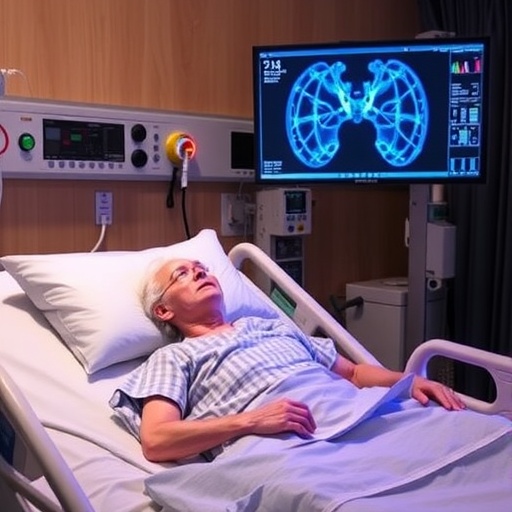
The experimental approach involved 25 healthy adults aged between 21 and 41, subjected to a rigorous seven-night sleep study within a controlled laboratory environment. Participants, free from pre-existing sleep disorders and unrelated to habitual use of noise aids, were exposed to different auditory conditions: aircraft noise, pink noise alone, aircraft noise combined with pink noise, and aircraft noise combined with earplug use. Precise polysomnography tracked brain wave activity, evaluating how these sounds influenced the architecture of sleep — especially focusing on deep sleep (N3) and REM stages.
Deep sleep and REM sleep represent two fundamental yet distinct restorative processes. Deep sleep, or N3 sleep, is primarily associated with physical restoration, memory consolidation, and the elimination of metabolic waste from the brain through the glymphatic system. REM sleep, often dubbed the dream phase, is implicated in emotional regulation, motor skill development, and is crucial during early brain maturation. Disruptions in either can impair the essential restorative functions and cognitive refreshment associated with a full night’s sleep.
Pink noise, characterized as a broadband noise with energy distributed inversely proportional to frequency, has a distinct auditory profile compared to white noise or brown noise. The even spectral density across frequencies lends pink noise its characteristic “static-like” sound, deeper and less sharp than white noise. Many natural sounds such as rainfall or ocean waves approximate broadband noises, which lends a seemingly comforting familiarity to pink noise apps. However, the nuanced interaction between these auditory stimuli and the brain’s delicate sleep stages has remained poorly understood until now.
The findings were revelatory. Exposure to intermittent aircraft noise alone reduced deep sleep by approximately 23 minutes per night. What set earplugs apart was their remarkable efficacy in mitigating this loss, preserving deep sleep duration despite environmental disturbance. Meanwhile, pink noise alone at moderate volume (around 50 decibels, akin to steady rainfall) was linked with a near 19-minute reduction in REM sleep — a result previously unreported and alarming given REM’s pivotal role.
When researchers combined pink noise with aircraft noise, the adverse effects compounded dramatically. Not only were both deep and REM sleep durations shortened, but time spent awake during the night increased by an average of 15 minutes. Such fragmentation diminishes overall sleep quality and impairs the recuperative potential of a full sleep cycle. Subjective reports from participants confirmed this physiological disruption, revealing lighter, more fragmented sleep experiences under noise and pink noise conditions, while earplug use corresponded with consistently improved sleep perception.
This research exposes a critical paradox. While pink noise and other broadband noise types have been embraced as benign sleep aids, their physiological consequences suggest otherwise. The consumer market for noise machines and ambient sleep audio is vast, with millions relying on these technologies nightly. Major platforms like Spotify have recorded billions of minutes consumed by white noise podcasts and ambient soundtracks, while YouTube’s top white noise videos boast view counts in the hundreds of millions. Despite this ubiquity, scientific scrutiny has lagged, leaving users unaware of potential long-term risks.
Moreover, REM sleep disruption is closely associated with numerous neuropsychiatric conditions, including depression, anxiety, and neurodegenerative diseases like Parkinson’s. Thus, any exogenous factor that impinges on REM quantity or quality may inadvertently exacerbate or precipitate these disorders. The heightened sensitivity of children—who spend considerably more time in REM sleep than adults—signals caution for pediatric use of pink noise sound machines. Parents often rely on these devices with good intentions, unaware that they may be undermining critical developmental processes.
Dr. Basner advocates for a cautious approach to broadband noise sleep aids, citing the urgent need for comprehensive research encompassing diverse populations, noise colors, exposure durations, and safe auditory intensity thresholds. The intrinsic complexity of noise-sleep interactions merits detailed exploration before blanket endorsements can be made. Meanwhile, simple physical interventions such as earplugs emerge as accessible and effective methods to safeguard sleep architecture against environmental intrusion.
This pivotal study was funded by the U.S. Federal Aviation Administration’s Office of Environment and Energy via the ASCENT Center of Excellence, underscoring the relevance of environmental noise pollution as a public health concern. The FAA project envisages strategies balancing aviation growth with community well-being, highlighting sleep as a vital but often overlooked determinant of health.
In sum, this research dismantles assumptions around pink noise as a harmless sleep enhancer and underscores the superior efficacy of physical sound-blocking methods like earplugs. It impels the scientific community and consumers alike to re-evaluate sleep aid practices through the prism of rigorous evidence, recognizing that sound, while subtle and pervasive, wields profound influence over the brain’s nightly restorative cycles. Future work will undoubtedly refine our understanding, guiding safer, smarter approaches to nurturing restful sleep in a noisy world.
Subject of Research: Effects of pink noise and earplugs on sleep architecture and sleep quality
Article Title: Efficacy of pink noise and earplugs for mitigating the effects of intermittent environmental noise exposure on sleep
News Publication Date: 2-Feb-2026
Web References:
https://doi.org/10.1093/sleep/zsag001
References: University of Pennsylvania Perelman School of Medicine Study published in Sleep
Keywords: REM sleep, Sleep deprivation, Neurophysiology, Electroacoustics, Noise pollution, White noise
Tags: ambient sounds and sleep qualityconsequences of sleep interference in childreneffects of pink noise on REM sleepemotional well-being and sleepimplications of pink noise in child sleepimportance of REM sleep for brain healthpink noise and sleep qualitypink noise versus traditional earplugsresearch on sleep disruptionsleep aids and their impactsleep studies at University of Pennsylvaniasound machines for better sleep