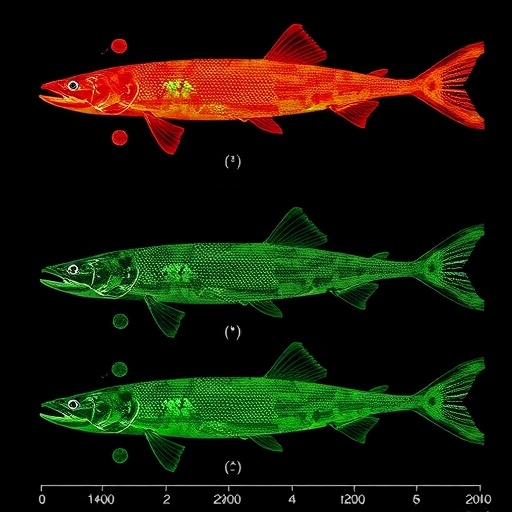
In a groundbreaking study highlighted in the journal “Biology of Sex Differences,” researchers have delved into the intricate world of the Siberian sturgeon’s gonadal development, shedding light on sex-specific transcriptomic differences during its early stages. This research is pivotal, not only for understanding the fundamental biological processes of this ancient species but also for implications in conservation and aquaculture, where sex control is crucial for population management.
The Siberian sturgeon, a species revered for its ecological importance and commercial value, has seen a drastic decline due to overfishing and habitat loss. Hence, understanding its development at the molecular level could lead to innovative strategies for sustainable farming practices. The study ropes in advanced molecular biology techniques to unpack the roles of genes expressed differently in the early stages of male and female gonadal development.
A team led by researchers such as Lasalle Gerla and Benech-Correa undertook to profile the transcriptomic landscape of the Siberian sturgeon’s gonads at critical developmental stages. By isolating RNA from the developing gonads of both sexes, they employed high-throughput sequencing techniques, which unveiled a diverse array of transcripts and highlighted how they vary markedly between males and females. Differences were noted not only in the quantity of transcripts but also in their functional categories, indicating a complex orchestration of biological processes aimed at differentiating sexual characteristics.
The research reveals a substantial variety of genes that are differentially expressed, shedding light on the genetic basis of sexual dimorphism in the sturgeon. When comparing the transcriptomic profiles between the two sexes, the study indicated prominent pathways linked to steroidogenesis, gametogenesis, and cell proliferation. Such pathways are critical for the proper functioning and maturation of gonads, thereby influencing overall reproductive success.
One particularly exciting discovery from this study lies in the gene regulatory networks that were implicated in sex differentiation. The analysis highlighted genes associated with the production of sex hormones, which play a vital role in gonadal development. The identification of these regulatory elements provides a tantalizing glimpse into the endocrine signals that may dictate whether an embryo develops into a male or female sturgeon, an area that warrants further investigation.
Additionally, the researchers paid close attention to environmental factors that could potentially influence gonadal development and sex determination. This aspect of their inquiry is particularly timely, given the ongoing challenges posed by climate change and habitat degradation that could affect aquatic ecosystems. The findings underscore the importance of studying not just the genetic components of development but also the interactions between genetics and environmental variables.
The study stands as a vital contribution to our understanding of fish biology, especially regarding species that exhibit complex sexual development patterns. The authors argue that this research could lead to better rationales for managing fish populations, as knowing how sex differentiation works can aid in developing techniques to control sex ratios in aquaculture settings. This is especially crucial for species where either sex may be more desirable for conservation or economic reasons.
Moreover, the implications extend beyond just the Siberian sturgeon. As aquaculture continues to expand, the methodologies and insights from this research could prove beneficial across various fish species, paving the way for more sustainable practices. Understanding the genetic blueprints that underlie sex determination can help scientists and farmers alike, optimizing breeding methods to produce more resilient and profitable stocks.
The implications of these findings could resonate throughout the field of conservation biology. If researchers could manipulate the conditions under which these sturgeons develop, it might be possible to repopulate areas decimated by human activity or environmental changes. This research pushes the boundaries of current fish breeding science toward a more integrated approach that combines genetics with real-time ecological data.
As discussions around biodiversity and preservation intensify, this paper provides not just data but actionable insights. It opens the door for further research aimed at uncovering the myriad ways aquatic species respond to both genetic and environmental pressures. By continuing to explore how sex-specific factors influence overall health and viability, we can deepen our collective knowledge of aquatic ecosystems.
In summary, the detailed exploration of sex-specific transcriptomes in the Siberian sturgeon marks a significant step forward in our understanding of fish development and reproduction. This research showcases the potential that modern technology and molecular biology hold for revolutionizing our approach to conservation and sustainable aquaculture practices, ensuring that we protect these vital species for generations to come.
The study not only adds a crucial piece to the puzzle of evolutionary biology but also reflects a growing recognition of the need to harmonize scientific advancement with environmental stewardship. The revelation of sex-related genetic pathways offers a roadmap for future studies that could transform how we perceive and manage aquatic biodiversity amid an era of rapid ecological change.
With an eye toward the future, this research invites both scientists and conservationists to explore new dimensions of biological inquiry, and it paves the way for innovative solutions to some of the pressing challenges faced by sturgeon populations and the ecosystems they inhabit.
Subject of Research: Sex-specific gonadal transcriptome in Siberian sturgeon
Article Title: Sex-specific gonadal transcriptome during early development of Siberian sturgeon
Article References: Lasalle Gerla, A., Benech-Correa, G., Klopp, C. et al. Sex-specific gonadal transcriptome during early development of Siberian sturgeon, Biol Sex Differ 17, 17 (2026). https://doi.org/10.1186/s13293-025-00810-8
Image Credits: AI Generated
DOI: https://doi.org/10.1186/s13293-025-00810-8
Keywords: Siberian sturgeon, gonadal transcriptome, sex differentiation, molecular biology, aquaculture, conservation, environmental factors, gene regulatory networks.
Tags: commercial value of sturgeon speciesconservation strategies for sturgeonearly developmental stages of fishecological importance of Siberian sturgeonhigh-throughput sequencing in geneticsmolecular biology techniques in aquaculturepopulation management in fisheriesRNA isolation in gonadal researchsex-specific transcriptomic differencesSiberian sturgeon gonadal developmentsustainable farming practices for fishtranscriptomic landscape of aquatic species