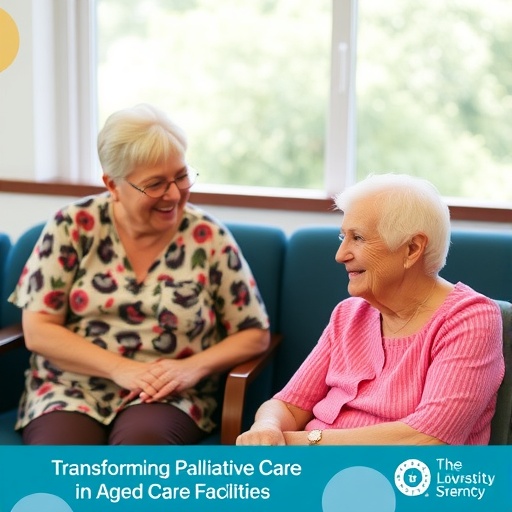
In the realm of healthcare, especially as it pertains to the elderly population, the significance of palliative care cannot be overstated. The recent establishment of the Palliative Aged Care Outcomes Program (PACOP) marks a pivotal moment in the quest to enhance the quality of palliative care provided in long-term care facilities. As the number of older individuals requiring specialized palliative services rises, the implications of a structured framework to address their unique needs become abundantly clear. The PACOP initiative seeks to advance palliative care on a national scale, with the ultimate aim of redefining standards and improving outcomes for elderly patients.
The aging population presents a significant challenge for healthcare systems globally. With longer life expectancies, the prevalence of chronic illnesses has surged, creating a heightened demand for palliative care services. Specifically, individuals in long-term care facilities often grapple with complex health issues that require not only medical attention but also emotional and psychological support. Understanding this multifaceted need, the PACOP initiative aims to develop a comprehensive framework that integrates various aspects of care tailored specifically for older adults.
At the core of PACOP lies a commitment to improving quality of life for elderly patients. Palliative care focuses on symptom management, pain relief, and the provision of support for patients and their families. Enhancing these facets requires collaboration amongst healthcare professionals, caregivers, and family members. By emphasizing a team-oriented approach, PACOP endeavors to dismantle traditional silos of care that have often hindered the efficient delivery of services in long-term care settings.
A critical component of the PACOP framework is the standardization of care practices across facilities. Achieving consistency in care delivery ensures that all patients receive high-quality, evidence-based palliative care, regardless of their location. This standardization process includes developing clear protocols for pain management, communication strategies, and advanced care planning. By implementing uniform guidelines, PACOP aims to minimize discrepancies in care and facilitate better outcomes for patients.
Moreover, PACOP recognizes the essential role of training and education for staff members in long-term care facilities. To provide effective palliative care, healthcare providers must be equipped with the necessary knowledge and skills to address the complexities associated with aging and illness. The initiative promotes ongoing education programs and workshops, empowering staff to enhance their competencies in symptom management, communication, and end-of-life care. Education will play a crucial role in fostering a palliative care culture within facilities, ultimately benefiting patients and their families.
Another fundamental aspect of the PACOP initiative involves patient and family engagement. Actively involving patients and their loved ones in decision-making processes ensures that care aligns with their values and preferences. PACOP implements strategies for effective communication that prioritize the voices of patients and families. This participatory approach not only enhances patient satisfaction but also contributes to better health outcomes by fostering a sense of control among patients in navigating their healthcare journeys.
Importantly, PACOP’s impact extends beyond the immediate healthcare environment. Collaborations with community organizations, social services, and advocacy groups are vital in creating a supportive ecosystem for older adults in palliative care. Engaging external stakeholders expands resources and enables a more holistic approach to patient care. Such partnerships can also pave the way for innovative solutions that address the social determinants of health, which significantly affect the well-being of elderly individuals.
Research initiatives are intrinsic to the PACOP framework, aiming to evaluate the effectiveness of implemented strategies and interventions. By collecting data on patient outcomes and caregiver experiences, PACOP seeks to identify best practices and areas for improvement. Research not only supports continuous quality enhancement but also contributes to the growing body of evidence supporting palliative care models for the elderly. This evidence-based approach will inform policy recommendations and shape future practices in long-term care.
The comprehensive nature of PACOP positions it as a transformative force in the realm of palliative care for older adults. By emphasizing a collaborative, standardized, and patient-centered approach, the initiative aims to address the critical gaps currently present in the delivery of services. As healthcare systems strive to meet the demands of an aging population, initiatives like PACOP become essential in setting new benchmarks for quality care.
In conclusion, the establishment of the Palliative Aged Care Outcomes Program is a beacon of hope for improving palliative care in long-term care settings. By addressing the unique needs of the elderly and fostering a collaborative environment among healthcare stakeholders, PACOP is paving the way for a future where all elderly individuals have access to compassionate, high-quality palliative care. The significance of this initiative cannot be understated, as it not only seeks to enhance individual patient experiences but also reflects a larger commitment to advancing health equity and dignity for the aging population.
As we move forward, it will be crucial to monitor the outcomes of the PACOP initiative and assess its long-term impact on palliative care delivery. This program heralds a new era in the landscape of elder care, inspiring hope for a more compassionate approach to healthcare that values the lives of those who have paved the way for future generations.
Subject of Research: Palliative Care for Older Adults in Long-term Care Facilities
Article Title: The Palliative Aged Care Outcomes Program (PACOP): establishing a national framework to improve palliative care in long-term care facilities for older people.
Article References:
Johnson, C.E., Dai, Y., Bryce, L. et al. The Palliative Aged Care Outcomes Program (PACOP): establishing a national framework to improve palliative care in long-term care facilities for older people.
BMC Geriatr (2026). https://doi.org/10.1186/s12877-026-07009-5
Image Credits: AI Generated
DOI:
Keywords: Palliative Care, Aged Care, Long-term Care, Framework Development, Patient Engagement, Healthcare Standards, Quality Improvement.
Tags: addressing chronic illnesses in elderlychallenges of aging population healthcarecomprehensive palliative care frameworkemotional support in palliative careenhancing elderly patient outcomesimproving quality of life for elderly patientsintegration of care for older adultslong-term care facility standardsPalliative Aged Care Outcomes Programpalliative care in aged care facilitiesspecialized palliative services for the elderlysymptom management in palliative care