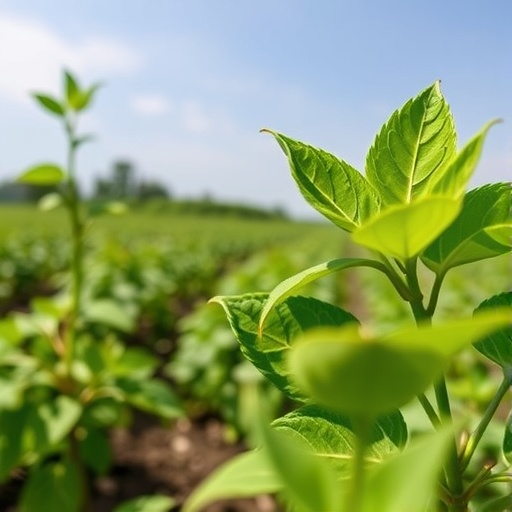
In recent years, the agricultural sector has experienced significant challenges due to an increase in phytopathogens. These harmful organisms can drastically reduce crop yields, leading to economic losses and threatening global food security. In a groundbreaking mini-review, researchers Riaz et al. delve deep into biomanagement strategies for combating these pathogens, emphasizing sustainable and environmentally friendly practices. This article sheds light on the innovative approaches being explored to tackle this pressing issue and presents a promising outlook for future agricultural practices.
Phytopathogens, including fungi, bacteria, viruses, and nematodes, have equipped themselves with various mechanisms to infect and proliferate within host plants. As they adapt to changing environmental conditions, the urgency for effective management tactics becomes imperative. Conventional agricultural methods often involve the use of chemical pesticides, which, while providing short-term solutions, can have detrimental long-term effects on ecosystems and human health. The mini-review outlines the potential of biomanagement tactics as a holistic and sustainable way to mitigate these problems.
One of the most prominent areas of biomanagement involves the use of beneficial microorganisms. These can include bacteria such as Trichoderma, which not only outcompete pathogens for resources but also trigger plant defenses. The review notes that mycorrhizal fungi play a crucial role in enhancing plant nutrient uptake and resilience against pathogens. This symbiotic relationship not only promotes healthier plants but can also lead to higher agricultural productivity.
Another fascinating biomanagement strategy highlighted in this review is the use of plant-derived natural compounds. Phytochemicals, which are bioactive compounds found in plants, exhibit antifungal, antibacterial, and antiviral properties. The researchers emphasize that harnessing these compounds for pest management may reduce reliance on synthetic chemicals and can be integrated into Integrated Pest Management (IPM) frameworks. These natural alternatives could offer farmers environmentally safe options while maintaining the efficacy needed to combat various plant diseases.
The development of bio-pesticides is another promising aspect of biomanagement. Riaz et al. elucidate the progress made in the formulation of bio-based agents that specifically target pathogens without harming beneficial organisms. For instance, the use of Bacillus thuringiensis, a bacterium known for its insecticidal properties, demonstrates the potential for creating safe and effective biopesticides. This trend towards utilization of naturally occurring biocontrol agents reflects a significant shift in perspective among scientists and agronomists alike.
Moreover, the review discusses the significance of plant resilience and resistance breeding. By identifying genetic traits that confer resistance to pathogens, researchers can develop crop varieties that are inherently more robust. Through biotechnological interventions, such as CRISPR gene editing, the ability to enhance plant resistance to phytopathogens without compromising yield or quality presents itself as an exciting frontier in crop development.
Additionally, the mini-review addresses the importance of soil health in biomanagement practices. Healthy soils teem with microbial life, which can provide an array of services to the plant, including disease suppression. The authors argue that fostering soil biodiversity can lead to improved plant health and offer a natural defense against phytopathogen invasions. Investing in soil health not only supports sustainable farming practices but is also crucial for the long-term viability of food production systems.
As climate change continues to impact agricultural systems globally, the adaptation of biomanagement strategies is increasingly critical. Shifting precipitation patterns, rising temperatures, and extreme weather events contribute to the vulnerability of crops to phytopathogens. The researchers emphasize the need for adaptive management practices that consider the unpredictable nature of climate-related challenges. Employing biomanagement tactics can help build resilience in agricultural systems, ensuring that crops withstand the stresses induced by changing climates.
Furthermore, education and awareness in the farming community are essential for the successful implementation of biomanagement strategies. Farmers must be equipped with knowledge about these innovative practices, understanding how to integrate them into their existing agricultural frameworks. The authors highlight various outreach programs and workshops aimed at providing farmers with hands-on experience and insights into implementing biomanagement tactics effectively.
On a broader scale, policy frameworks play a pivotal role in promoting biomanagement practices. Supportive policies can encourage research and investment into sustainable agriculture, helping to create an ecosystem where innovative solutions can thrive. The review notes that governments and agricultural bodies must work towards creating an environment conducive to adopting such progressive practices, bridging the gap between research and application.
In conclusion, Riaz et al. present a compelling case for biomanagement tactics as a means to combat the increasing threat posed by phytopathogens. By leveraging beneficial microorganisms, natural compounds, and resilient crop varieties, the agricultural sector can move towards sustainable practices that promise long-term viability. The ramifications of such a shift extend beyond mere economic profits; they encompass food security, environmental health, and the future of global agriculture. This mini-review is an essential read for anyone interested in the intersection of agriculture, sustainability, and innovation.
The potential of biomanagement tactics to reshape our agricultural landscapes cannot be underestimated. As the world grapples with an ever-evolving set of challenges in food production, embracing these strategies may well be the key to creating a resilient future for global agriculture.
Subject of Research: Biomanagement tactics towards phytopathogens
Article Title: Biomanagement tactics towards phytopathogens – a mini review
Article References:
Riaz, M., Javed, M., Atiq, M. et al. Biomanagement tactics towards phytopathogens – a mini review. Discov. Plants 3, 20 (2026). https://doi.org/10.1007/s44372-026-00482-7
Image Credits: AI Generated
DOI: https://doi.org/10.1007/s44372-026-00482-7
Keywords: phytopathogens, biomanagement, sustainable agriculture, beneficial microorganisms, natural compounds, soil health, climate change, resistancy breeding, biopesticides, sustainable practices.
Tags: agricultural challenges with phytopathogensbeneficial microorganisms in agriculturebiomanagement strategieseco-friendly pest control methodsfuture of agricultural practicesinnovative approaches to crop disease managementmycorrhizal fungi benefitsphytopathogen managementPlant defense mechanismsreducing chemical pesticide usesustainable agriculture practicesTrichoderma for crop protection