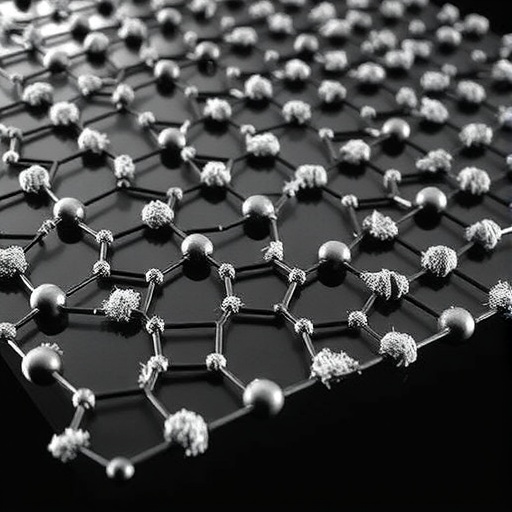
In a groundbreaking study, researchers have unveiled a novel approach to enhance the electrochemical performance of cobalt hexacyanoferrate through hybridization with sulfur-doped reduced graphene oxide. This innovative combination presents a significant advancement in the realm of energy storage materials, which are pivotal in addressing the increasing demand for efficient batteries and supercapacitors. The integration of these materials not only promises to boost electrochemical efficiency but also paves the way for future applications in various energy-related technologies.
The electrochemical performance of materials is crucial in determining the effectiveness of energy storage devices. Cobalt hexacyanoferrate has been recognized for its advantageous properties, such as high theoretical capacity and stability. However, traditional limitations in its conductivity and charge transfer rates have hindered its widespread application. This study proposes a cutting-edge solution by introducing sulfur-doped reduced graphene oxide, which serves as a conductive support that significantly enhances the electrochemical activity of cobalt hexacyanoferrate compounds.
Researchers have meticulously characterized the hybrid material to identify the underlying mechanisms contributing to its enhanced performance. The successful incorporation of sulfur into reduced graphene oxide creates additional active sites that facilitate faster electron transfer. This not only improves the overall conductivity of the composite but also increases the availability of reactive sites for electrochemical reactions, ensuring a more efficient energy storage process. Through these enhancements, the hybrid material demonstrates an impressive increase in capacitance and cycling stability compared to conventional cobalt hexacyanoferrate systems.
The research team employed various advanced characterization techniques, including electrochemical impedance spectroscopy (EIS) and cyclic voltammetry (CV), to evaluate the electrochemical performance of the hybrid material comprehensively. These methods allowed for a detailed understanding of the charge transport properties and reaction kinetics at play in the hybrid system. The data obtained revealed a substantial improvement in the specific capacitance of the material, showcasing its potential for use in high-performance energy storage devices.
In addition to the impressive electrochemical performance, the hybrid material boasts remarkable structural stability. When subjected to cycling tests, the sulfur-doped graphene oxide and cobalt hexacyanoferrate hybrid maintained its structural integrity across numerous charge-discharge cycles. This stability is critical for practical applications, as energy storage devices must endure continual usage without significant degradation to ensure longevity and reliability. The combination of these innovative materials effectively addresses one of the persistent challenges faced in energy storage technology today.
The scalability of this hybridization approach is another key factor in its potential impact within the field. Researchers have indicated that the materials can be synthesized using cost-effective methods, making them accessible for large-scale production. This factor is particularly important as the demand for efficient energy storage solutions surges globally. By simplifying the synthesis process, this research has taken a significant step towards facilitating the commercialization of advanced energy storage systems utilizing cobalt hexacyanoferrate.
The implications of this study extend beyond just enhancing the performance of cobalt hexacyanoferrate. The successful application of sulfur-doped reduced graphene oxide hybridization showcases the necessity of exploring new composite materials in the quest for superior energy storage solutions. As the world grapples with the challenge of transitioning to sustainable energy sources, advancements like this can play a crucial role in accelerating the development of efficient and reliable energy storage technology.
As a response to the climate crisis and the pressing need for sustainable practices, the ongoing research in energy storage materials highlights the importance of collaboration between academia and industry. The findings from this study can serve as a foundational step for future research endeavors aimed at developing next-generation energy storage systems. Exploring alternatives and hybridization techniques will be crucial in continued efforts to improve performance metrics and meet the increasingly rigorous demands of modern energy applications.
Furthermore, the hybrid material’s performance is indicative of broader trends in battery technology. The utilization of functionalized graphene derivatives in conjunction with transition metal compounds could redefine how electrochemical materials are perceived and used in energy storage systems. This research opens doors to further innovations leveraging such hybrid composites, which could yield even greater advancements in efficiency, capacity, and longevity.
The potential applications of these findings are vast and varied. As industries across the globe move towards electrification and energy sustainability, hybrid energy storage materials will play an integral role in powering electric vehicles, renewable energy sources, and portable electronics. In turn, this research not only contributes to scientific knowledge but also stands to make a tangible impact on society through enhanced technologies that support the transition towards cleaner energy.
In conclusion, the study conducted by Arunkumar and colleagues represents a significant milestone in the development of advanced electrochemical materials. The hybridization of cobalt hexacyanoferrate with sulfur-doped reduced graphene oxide exhibits promise not only in enhancing energy storage capabilities but also in fostering sustainable practices within the energy sector. As researchers continue to explore innovative material combinations and synthesis methods, the path toward efficient, reliable, and environmentally-friendly energy storage solutions becomes increasingly achievable.
This research reinforces that the future of energy storage lies in novel materials and their smart integrations. The advancements in composite materials will likely define the next era of energy devices, as scientists and engineers strive to confront the pressing challenges posed by energy consumption, environmental concerns, and technological demands. With ongoing efforts from the scientific community, the horizon looks promising for breakthroughs that will ultimately contribute to a more sustainable energy future.
Subject of Research: Enhancements in electrochemical performance of energy storage materials.
Article Title: Boosting the electrochemical performance of cobalt hexacyanoferrate via sulfur-doped reduced graphene oxide hybridization.
Article References:
Arunkumar, K., Kamalakkannan, D., Kamalarajan, P. et al. Boosting the electrochemical performance of cobalt hexacyanoferrate via sulfur-doped reduced graphene oxide hybridization. Ionics (2026). https://doi.org/10.1007/s11581-026-06968-4
Image Credits: AI Generated
DOI: 31 January 2026
Keywords: Cobalt hexacyanoferrate, sulfur-doped graphene oxide, electrochemical performance, energy storage materials, hybridization, sustainability.
Tags: advanced battery technologiescharge transfer rates in energy devicescobalt hexacyanoferrate electrochemical performanceelectrochemical activity improvementenergy storage materials innovationenergy-related applications of hybrid materialsenhanced conductivity in supercapacitorsgraphene oxide in energy storagehigh theoretical capacity materialshybrid materials for batteriesnovel approaches to electrochemical efficiencysulfur-doped reduced graphene oxide applications