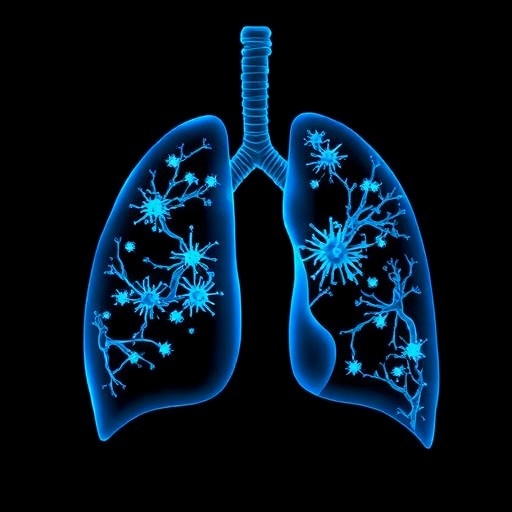
In the rapidly evolving landscape of neonatal medicine, the role of infectious agents in preterm lung disease has garnered increasing attention. Among these agents, the genus Ureaplasma has emerged as a critical, yet enigmatic, player implicated in adverse respiratory outcomes among premature infants. Recent research spearheaded by Silwedel, Speer, and Glaser, published in Pediatric Research (2026), brings fresh insights into the species-specific influences of Ureaplasma on preterm lung disease, challenging previous notions of the microorganism as a monolithic pathogen and opening new avenues for targeted intervention.
Preterm infants, defined as those born before 37 weeks of gestation, are particularly vulnerable to respiratory complications due to underdeveloped lungs and immune systems. Bronchopulmonary dysplasia (BPD), a chronic lung disease characterized by inflammation and impaired lung development, remains among the most common morbidities in this population. Although multifactorial in origin, infections with Ureaplasma species have long been suspected contributors to the pathogenesis of BPD. What this new study emphasizes is the critical importance of distinguishing among Ureaplasma species to understand their divergent effects on neonatal pulmonary health fully.
The genus Ureaplasma, belonging to the class Mollicutes, comprises several species, predominantly Ureaplasma parvum and Ureaplasma urealyticum, both commonly isolated from the urogenital tracts of adults and neonates. Historically, clinical investigations tended to treat Ureaplasma as a uniform entity, lacking resolution at the species level. Silwedel and colleagues elucidate that these species differ not only genetically but also in their pathogenic potential, inflammatory profiles, and interactions with the immature immune system of the preterm lung.
Methodologically, the researchers employed sophisticated molecular diagnostics, including species-specific PCR and genomic sequencing, to reliably differentiate Ureaplasma strains in respiratory and amniotic fluid samples from preterm infants. Correlating microbial data with detailed clinical phenotypes and lung function measurements, the study highlights distinct species-related variations in the severity and progression of lung disease. Specifically, infections dominated by U. parvum were associated with more pronounced inflammatory markers and poorer respiratory outcomes compared to U. urealyticum.
Delving into the mechanistic underpinnings, the study explores how Ureaplasma species modulate host-pathogen interactions. It appears that U. parvum induces a robust pro-inflammatory response characterized by elevated cytokines such as IL-6 and TNF-alpha, exacerbating pulmonary parenchymal damage and disrupts alveolarization. Conversely, U. urealyticum elicits a comparatively tempered immune activation, suggesting a more benign relationship with preterm pulmonary tissues. These findings underline the importance of precise microbial identification to tailor therapeutic strategies effectively.
One of the most compelling aspects of this research lies in its implications for clinical management. Current antimicrobial regimens often lack specificity, potentially failing to address species-specific susceptibilities and contributing to antibiotic resistance. By illuminating the dichotomous effects of Ureaplasma species, the authors advocate for refined diagnostic protocols that can instantaneously identify Ureaplasma at the species level, enabling personalized treatment plans. Such precision medicine could significantly curtail the incidence or severity of BPD in preterm neonates.
Moreover, the study discusses the potential for vaccine development targeting specific virulence factors unique to U. parvum. Given that antenatal exposure to Ureaplasma is common and can initiate inflammatory cascades even before birth, prophylactic immunization in at-risk pregnancies might represent a transformative approach in neonatal care. Although still in early conceptual stages, this prospect underscores the necessity of recognizing species-specific roles within microbial populations previously lumped together.
In addition to clinical considerations, this investigation enriches our understanding of microbial ecology in the perinatal period. The researchers posit that Ureaplasma species might not merely be passive colonizers but active participants influencing the lung microbiome and immune maturation. Their differential immunogenicity could either prime the neonatal immune system towards tolerance or trigger harmful inflammation. This nuanced perspective challenges the paradigm that all microbial colonization equates to infection, encouraging a more sophisticated discourse on microbial-host dynamics.
The utilization of cutting-edge genomic and immunological techniques in this study exemplifies the power of interdisciplinary research. Integrating microbiology, neonatology, and immunology, Silwedel et al. exemplify how convergent approaches can unravel complex clinical dilemmas underlying preterm lung disease. Future research building on these findings is poised to explore therapeutic modulation of the neonatal microbiome as a means to optimize health outcomes.
It is noteworthy that the study also addresses potential confounders such as antenatal steroid exposure, variations in neonatal intensive care practices, and genetic predispositions that could influence both Ureaplasma colonization and lung disease progression. By adjusting for these factors in their analyses, the authors ensure that their species-specific conclusions remain robust and credible, strengthening the translational impact of their work.
Furthermore, this research may have implications beyond neonatal pathology. Since Ureaplasma species also colonize adult populations and can complicate urogenital infections, understanding their species-level differences might inform broader infectious disease strategies. The concept that microbial species within a genus can wield distinct pathogenic roles invites reexamination of how clinicians approach bacterial identification and treatment across the lifespan.
The lingering question remains: how can neonatal clinicians leverage these insights in real time? The authors suggest that rapid bedside testing technologies, such as point-of-care molecular diagnostics, could revolutionize infection control in neonatal units. Immediate species identification upon respiratory sample collection could guide judicious antibiotic use, reduce unnecessary exposure, and improve prognostication for families and care teams alike.
In sum, the investigation led by Silwedel, Speer, and Glaser represents a pivotal advancement in neonatal infectious disease understanding. By disentangling the role of Ureaplasma species in preterm lung disease, they pave the way for more precise, effective, and personalized interventions. Their work reminds us that in microbiology, as in life, the details matter profoundly — not all species are created equal, and acknowledging this disparity could be the key to rescuing the most vulnerable lungs from chronic disease.
As the neonatal research community digests these findings, the challenge will be to translate knowledge into practice, balancing the urgency of preterm care with the cautious elegance of targeted therapy. The dawn of species-specific microbial medicine promises to reshape neonatology profoundly, heralding a future where premature infants breathe easier, free from the shadows cast by their microbial companions.
Subject of Research: The role of Ureaplasma species in the development and progression of lung disease in preterm infants.
Article Title: The role of Ureaplasma in preterm lung disease: does species matter?
Article References:
Silwedel, C., Speer, C.P. & Glaser, K. The role of Ureaplasma in preterm lung disease: does species matter? Pediatr Res (2026). https://doi.org/10.1038/s41390-026-04803-0
Image Credits: AI Generated
DOI: https://doi.org/10.1038/s41390-026-04803-0
Tags: bronchopulmonary dysplasia in premature infantschallenges in diagnosing preterm lung diseaseimpact of Ureaplasma on neonatal healthinfectious agents in neonatal medicinerespiratory complications in preterm infantsspecies-specific effects of Ureaplasmatargeted interventions for preterm lung diseaseunderstanding Ureaplasma in neonatal respiratory healthUreaplasma parvum and Ureaplasma urealyticumUreaplasma species and preterm lung disease