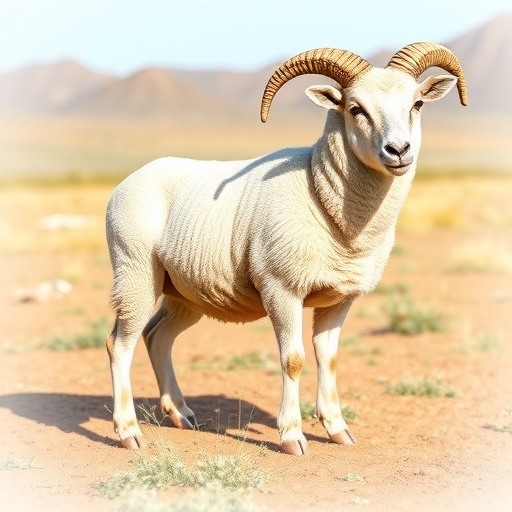
In a major breakthrough that stands to reshape our understanding of the genetic underpinnings of livestock breeds, a collaborative research team led by Jiang B., Zeng J., and Chi H. has successfully conducted a comprehensive whole genome sequencing analysis of Tianhua mutton sheep. This ground-breaking study, slated for publication in BMC Genomics in 2026, promises to unveil critical insights into genetic diversity, population structure, and unique selective signatures that characterize this unique breed of sheep.
The Tianhua breed, indigenous to China, is renowned for its high-quality mutton, which has become increasingly sought after in both domestic and international markets. In their study, Jiang and his colleagues aimed to go beyond mere morphological assessments and delve deeply into the genetic fabric that defines the Tianhua mutton sheep. By applying advanced whole genome sequencing technology, the researchers set out to map the genetic landscape of this breed, a first in its kind for Tianhua sheep.
At the outset of their research, the team utilized state-of-the-art sequencing techniques to gather vast amounts of genetic data. This involved extracting DNA from a representative sample of Tianhua mutton sheep, chosen for their varied phenotypic features to ensure a comprehensive genetic analysis. The DNA extraction process adhered to stringent protocols, safeguarding the integrity of the genetic material for in-depth sequencing.
Data generated from the sequencing was substantial, revealing a wealth of information about the genetic diversity present within the Tianhua population. The analysis illustrated that the breed possesses a remarkable level of genetic variation, highlighting its adaptability to different environmental conditions and potential for resilience against diseases. These findings could have significant implications for breeding programs aiming to enhance the health and productivity of Tianhua mutton sheep.
Moreover, the research team employed computational models to analyze genetic data, allowing them to assess population structure among Tianhua mutton sheep. They discovered distinct genetic clusters within the breed, pointing to the influence of geographical factors and breeding practices on genetic diversity. This segmentation underscored the importance of understanding population dynamics, particularly in the context of conservation and breeding efforts to maintain the unique characteristics of Tianhua sheep.
In addition to mapping genetic diversity and population structure, the study also aimed at detecting selective signatures within the genome of Tianhua mutton sheep. Selective signatures are crucial markers that indicate traits which have been advantageous in the breed’s survival and economic value. The researchers identified several genomic regions associated with traits such as meat quality, growth rates, and resilience to environmental stressors, which are vital for both sheep welfare and human consumption outcomes.
A key takeaway from this research is the implications for genetic improvement initiatives. Understanding the genomic basis of desirable traits allows breeders to make informed decisions when selecting animals for reproduction. This, in turn, ensures that the Tianhua mutton sheep remain not only a viable breed but also a competitive one in a rapidly evolving agricultural sector.
The findings of this comprehensive study may reverberate beyond China’s borders, influencing sheep breeding practices worldwide. With an increasing global demand for high-quality meat, insights garnered from the whole genome sequencing of Tianhua mutton sheep could guide geneticists and breeders in other regions to implement similar approaches tailored to their local breeds and environments.
Furthermore, the study advocates for the integration of genomic data into livestock management systems. By utilizing such information, farmers can optimize breeding strategies and improve flock genetics at a higher success rate. This shift towards data-driven livestock management could enhance sustainable agricultural practices and overall productivity in the mutton industry.
As science continues to unravel the complexities of genetics, studies like Jiang et al.’s represent more than just academic contributions; they pave the way for solutions to long-standing agricultural challenges. With a focus on genetic factors, researchers are better equipped to tackle issues such as disease susceptibility, climate adaptation, and production efficiency, all pivotal for the future of global food systems.
In conclusion, the whole genome sequencing of Tianhua mutton sheep brings to light the intricate genetic tapestry of this breed, unveiling layers of diversity, structure, and selective advantage. The research has opened new channels for future studies that may seek to explore genetic enhancement and conservation. As the industry gears up for a transformation driven by genetic insights, the legacy of Tianhua sheep will undoubtedly influence both domestic and international livestock practices for generations to come.
This monumental work not only stands as a testament to the advancements in genomic technologies but also highlights the collaborative efforts necessary for scientific discovery. The comprehensive approach taken by Jiang, Zeng, and Chi serves as a blueprint for future research endeavors aimed at understanding and improving livestock breeds worldwide, ensuring food security and sustainability in an evolving agricultural landscape.
Subject of Research: Genetic diversity, population structure, and selective signature of Tianhua mutton sheep
Article Title: Whole genome sequencing revealed genetic diversity, population structure, and selective signature of Tianhua mutton sheep
Article References:
Jiang, B., Zeng, J., Chi, H. et al. Whole genome sequencing revealed genetic diversity, population structure, and selective signature of Tianhua mutton sheep.
BMC Genomics (2026). https://doi.org/10.1186/s12864-025-12258-6
Image Credits: AI Generated
DOI: 10.1186/s12864-025-12258-6
Keywords: whole genome sequencing, genetic diversity, population structure, selective signature, Tianhua mutton sheep
Tags: advancements in sheep genomicsBMC Genomics publication on sheep geneticsDNA extraction techniques in livestockgenetic analysis of sheep breedsgenetic fabric of Tianhua sheepgenomic diversity of Tianhua mutton sheephigh-quality mutton production geneticsindigenous sheep breeds of Chinapopulation structure of Tianhua mutton sheepresearch on livestock genetic diversityselective signatures in sheep geneticswhole genome sequencing of livestock breeds