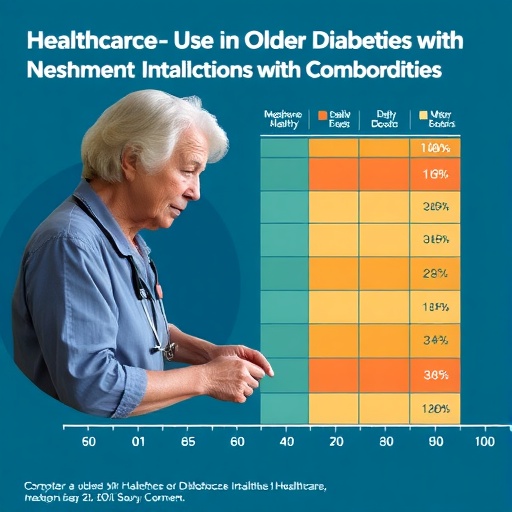
In a groundbreaking study published in BMC Geriatrics, researchers led by Prajapati et al. delve into the intricate world of healthcare utilization among older adults grappling with type 2 diabetes in conjunction with cardiovascular and mental health comorbidities. This research is pivotal as it navigates through the complexities of managing multiple chronic conditions, a scenario becoming increasingly common in an aging population. The multifactorial nature of old age, compounded by chronic illnesses, presents significant challenges not only for patients but also for healthcare systems striving to deliver effective and personalized care.
As older adults confront the realities of diabetes along with cardiovascular and mental health issues, their healthcare consumption patterns reveal critical insights. This research offers a fresh perspective on how these comorbidities interact and impact overall healthcare needs. The findings can help healthcare providers in crafting better strategies to address the multifaceted needs of this demographic, emphasizing the importance of integrated care approaches to enhance both health outcomes and the quality of life for patients.
The study employs a meticulous methodology utilizing a large-scale dataset to analyze healthcare utilization patterns over time. By focusing on older adults with type 2 diabetes, cardiovascular diseases, and mental health challenges, the authors aim to paint a comprehensive picture of the healthcare landscape. This demographic is often characterized by increased hospital visits, more frequent medication regimens, and a higher likelihood of undergoing various health interventions. This is rooted in the complex interplay between their chronic conditions, necessitating an understanding beyond single-disease frameworks.
The research highlights a concerning trend: older adults with both diabetes and comorbid diseases often face heightened health risks, leading to escalated healthcare use. This escalation not only places a burden on patients but also strains health systems that must respond to increasing demands for services. The implications are profound, suggesting that effective management must take into account not just diabetes management but also comprehensive care for cardiovascular and mental health issues.
Another critical finding of the research delves into the implications of socio-economic factors on healthcare utilization. Older adults from lower socio-economic backgrounds frequently experience barriers to accessing necessary healthcare services. These obstacles can exacerbate existing health conditions, leading to a vicious cycle of increased healthcare needs and inadequate care. Understanding these disparities is essential for policymakers and healthcare providers aiming to foster equitable healthcare systems that meet the needs of all segments of the population.
The study does not shy away from addressing the psychological aspects of living with chronic disease. It posits that mental health is often overlooked when caring for older patients with diabetes and cardiovascular issues. The intertwining nature of physical and mental health in this population cannot be overstated. Recognizing and treating mental health conditions such as depression or anxiety can potentially improve overall health outcomes and reduce the frequency and intensity of healthcare services required.
Furthermore, the study emphasizes the need for targeted interventions that support chronic disease management in older adults. By investing in preventive measures, such as lifestyle modification programs, educational campaigns, and routine mental health screenings, healthcare systems can significantly mitigate the burden of comorbidities. This proactive approach not only enhances quality of life for patients but also has the potential to reduce long-term healthcare expenditures.
With an aging population, the time for innovative healthcare solutions is now. The research by Prajapati and colleagues serves as a clarion call for a paradigm shift in how we approach elder care, particularly for those laden with multiple health challenges. Integrating care across specialties is essential to ensure comprehensive health management that addresses the whole person rather than isolated symptoms.
Another significant aspect of the study involves the role of caregivers, who often bear the brunt of managing complex health needs. This research acknowledges the essential support role caregivers play and highlights the necessity of implementing systems to provide them with the assistance and resources they need. By doing so, the healthcare system can create a more supportive environment that encourages better outcomes for both older adults and their caregivers.
As the study unfolds its findings, it calls for comprehensive policy reform aimed at improving care for older adults with chronic conditions. Policymakers must recognize the unique challenges that this demographic faces and develop targeted initiatives that address their specific health needs. This includes funding for integrated health services, support for mental health programs, and resources aimed at reducing socio-economic disparities in access to care.
The implications of this research extend beyond academic boundaries. It is a critical contribution to ongoing discussions regarding aging populations and the healthcare systems designed to serve them. As the world grapples with increasing longevity and the associated chronic disease burdens, studies like these provide vital insights and direction for future efforts to improve health outcomes.
As we move forward, the lessons learned from this research may help shape a more responsive healthcare paradigm, one that is empathetic to the needs of older adults managing multiple health conditions. Indeed, the goal must remain clear: to foster an environment where all individuals, regardless of age or health status, can lead healthy, fulfilling lives.
In conclusion, the work of Prajapati et al. serves as a beacon guiding the future of geriatric care, emphasizing the necessity of holistic approaches that consider the full spectrum of health challenges faced by older adults. The study not only acknowledges the difficulty of navigating healthcare with multiple comorbidities but also underscores the importance of systemic changes to enhance the quality of care. As the field continues to evolve, this research stands as a powerful reminder that at the heart of healthcare lies the patient, whose voice and experience must drive the changes we seek.
It is an exciting time in the field of geriatrics, and the path paved by such research offers hope for more thoughtful, compassionate, and effective care for older adults in the years to come.
Subject of Research: Healthcare utilization among older adults with type 2 diabetes and cardiovascular and mental health comorbidities.
Article Title: All-cause healthcare utilization among older adults with type 2 diabetes and cardiovascular and mental health comorbidities.
Article References:
Prajapati, P., Barnard, M., Bentley, J.P. et al. All-cause healthcare utilization among older adults with type 2 diabetes and cardiovascular and mental health comorbidities. BMC Geriatr (2026). https://doi.org/10.1186/s12877-026-06988-9
Image Credits: AI Generated
DOI:
Keywords: Geriatrics, Type 2 Diabetes, Healthcare Utilization, Comorbidities, Cardiovascular Health, Mental Health, Older Adults
Tags: aging population healthcare needsBMC Geriatrics studycardiovascular diseases in elderlychronic illness management in aginghealthcare consumption patterns in diabeticsimproving health outcomes in seniorsintegrated care strategies for seniorsmental health in older diabeticsmultifactorial health challenges in elderlyolder adults healthcare utilizationpersonalized care for older adultsType 2 diabetes comorbidities