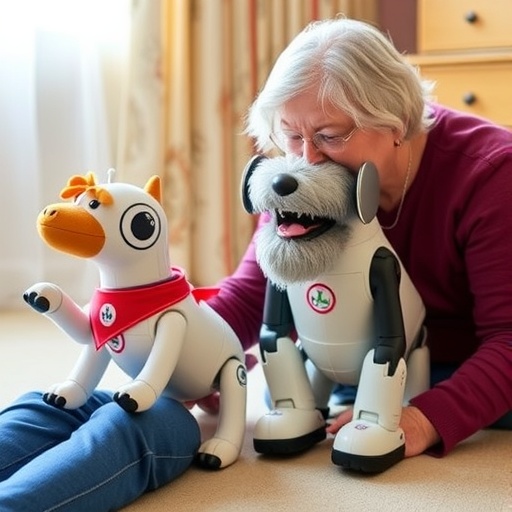
In recent years, the incorporation of technology into healthcare has taken on transformative dimensions, especially when it comes to enhancing the quality of life for older adults suffering from conditions such as dementia. A groundbreaking study led by researchers including Fernandes, Toohey, and Lashewicz focuses on the utilization of robotic pets within continuing care settings in Canada. This innovative approach aims to address the emotional and psychological needs of elderly individuals, showcasing the potential technologies have in bridging gaps in traditional caregiving.
The numerical growth of the aging population, particularly those affected by cognitive impairments like dementia, has stressed healthcare systems. In Canada, it is estimated that over 400,000 people are currently living with dementia. This figure is anticipated to rise, necessitating efficient and compassionate care strategies. Robotic pets are now being recognized not merely as futuristic gadgets but as viable companions that can provide emotional support and stimulate cognitive function, while also serving to mitigate feelings of loneliness and isolation.
The researchers employed a modified Delphi methodology—a structured communication technique that brings together experts to develop consensus on specific issues. This approach was essential in formulating the implementation guidelines for integrating robotic pets in care facilities. The Delphi method is particularly renowned for its ability to gauge the perspectives of various stakeholders effectively, providing a nuanced understanding of potential challenges and strategies for successful implementation. Consequently, this technique allowed for the distillation of expert insights into actionable guidelines that can be adapted to different care environments.
Robotic pets such as Aibo, a robotic dog developed by Sony, have been studied extensively for their ability to evoke emotional responses in users. The study underscored how these robotic companions can help foster social interactions among residents and between residents and caregivers. One major advantage of robotic pets is their capacity to provide non-threatening interactions for residents, particularly those who may be hesitant to engage with humans due to anxiety related to their condition. The familiarity and non-judgmental presence of a robotic pet may encourage elderly individuals to communicate and express themselves more openly.
Emotional engagement is a critical component of dementia care. Traditional therapeutic interventions have focused primarily on medical management, often neglecting the emotional well-being of patients. The presence of robotic pets can serve as a supplemental therapy option that addresses this gap. Research shows that interactions with robotic pets can elicit positive emotional responses, helping to reduce anxiety levels and improve mood states among senior residents. Moreover, these interactions can support reminiscence and storytelling, two activities beneficial for cognitive engagement.
While the enthusiasm surrounding robotic pets is palpable, the researchers also recognized the potential barriers to implementation. Cultural perceptions of technology, staff training, and resource allocation were identified as significant challenges that need addressing. Training staff on how to effectively incorporate robotic pets into care routines and ensuring that they are comfortable with this technology are essential steps. Additionally, understanding how family members perceive these robotic companions can influence their acceptance and integration into residents’ lives.
The study highlights the necessity for ongoing evaluation and adaptation as robotic pets are integrated into care settings. Not all residents will respond positively to robotic pets; hence, personalized approaches must be taken. The importance of assessing individual reactions to robotic companions is essential for determining their place in personalized care plans. The guidelines developed from the study include essential considerations such as regular assessment of the residents’ needs and preferences, which should guide the selection of suitable robotic pets.
Furthermore, ethical considerations regarding the use of robotic pets in healthcare settings have emerged as a priority. Addressing concerns about potential dependency on robotic companions versus human interaction is crucial. The researchers stress that while robotic pets cannot replace the human touch, they can provide supplementary support that enhances the overall caregiving experience. Therefore, integrating these devices with an understanding of their role and limitations can ensure a balanced approach to emotional and cognitive support for elderly residents.
The guidance provided through this research supports the idea that technology does not need to be seen as a replacement for human interaction but rather as an enhancement that can improve quality of life. As implications for future research and practice are discussed, it is evident that more extensive studies are needed to analyze the long-term effects of robotic pet interactions on dementia patients.
The introduction of robotic pets addresses a critical challenge within the realms of older adult care. As nursing homes and care facilities strive to innovate their practices, this approach could pave the way for a more compassionate and engaging environment for those living with dementia. The burgeoning interest in such technologies indicates a significant shift towards incorporating innovative solutions that balance emotional care with high-tech interventions.
As the exploration of this interdisciplinary domain continues, fostering wider acceptance of robotic pets in the healthcare community will be essential. This study paves the way for a future where robotic companions become a standard aspect of care strategies for dementia, extending their potential benefits to enhance the wellness and happiness of elderly populations.
In conclusion, the findings from the study not only illuminate the promising application of robotic pets in continuing care environments but also catalyze a broader dialogue on the essential role of emotional well-being in elderly care. As healthcare evolves, so too must our approaches to addressing the complex needs of older adults living with dementia, rating technology and human connection on a cohesive continuum, each enhancing the other in meaningful ways.
Subject of Research: Robotic Pets in Care Settings for Older Adults Living with Dementia
Article Title: Developing an implementation guide for robotic pets in continuing care settings for older adults living with dementia in Canada: findings from a modified Delphi
Article References: Fernandes, B.E., Toohey, A.M., Lashewicz, B.M. et al. Developing an implementation guide for robotic pets in continuing care settings for older adults living with dementia in Canada: findings from a modified Delphi. BMC Geriatr (2026). https://doi.org/10.1186/s12877-026-07032-6
Image Credits: AI Generated
DOI: 10.1186/s12877-026-07032-6
Keywords: Robotic Pets, Dementia, Care Settings, Emotional Well-being, Older Adults, Technology Integration
Tags: addressing loneliness in elderlyaging population and dementiacognitive stimulation through robotic petscompassionate care for cognitive impairmentsemotional support for dementia patientsenhancing quality of life for elderlyexpert consensus in healthcare innovationhealthcare technology for seniorsimplementation guidelines for robotic petsinnovative caregiving strategiesrobotic pets in dementia caretechnology in elderly healthcare