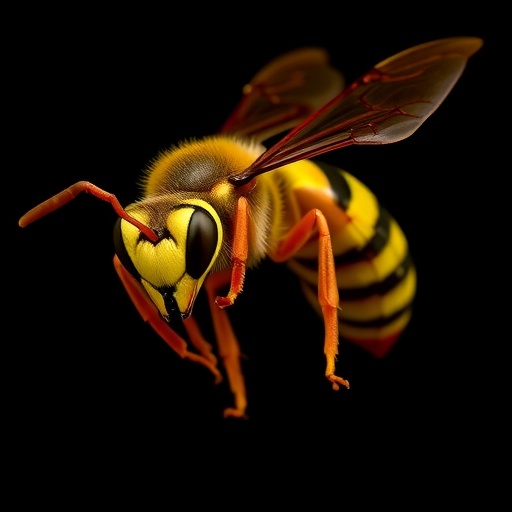
In a groundbreaking study that sheds light on the genomic architecture of the giant hornet, researchers have unveiled the intricate mechanisms of independent centromeric expansions. This research, led by a collaboration of experts including Ontano, Sim, and Jenkins, aims to deepen our understanding of how these formidable insects adapt and thrive in diverse environments. Delving into the DNA of these creatures, the team elucidates the role of centromeres, the chromosomal regions vital for the proper segregation of chromosomes during cell division.
Giant hornets, known for their size and aggression, have evolved unique genomic characteristics that not only confer survival advantages but also present intriguing evolutionary puzzles. The research focuses on the structure and function of independent centromeric expansions, which are believed to be critical in facilitating genetic diversity and resilience against environmental changes. This study’s findings could have significant implications, not just for entomology but also for broader biological research into genome stability and evolution.
The research team employed sophisticated genomic sequencing techniques to analyze the genomes of multiple giant hornet species. By looking closely at the centromeric regions of their chromosomes, the researchers discovered variations that suggest a remarkable degree of adaptability. Understanding these genomic adaptations is essential, as they may illuminate how giant hornets respond to environmental stressors, compete with other species, and maintain their ecological balance.
A particularly striking aspect of the study is the identification of repetitive DNA sequences within the centromeres, which appear to undergo independent expansions. These expansions may promote genetic diversity, offering a reservoir of genetic material that can be tapped into when environmental conditions shift. This phenomenon raises crucial questions about the evolutionary pressures faced by giant hornets and how these pressures shape their genomic landscape over generations.
The implications of independent centromeric expansions extend beyond the giants of the insect world. The findings may provide insights into centromere evolution across various taxonomic groups, potentially informing conservation efforts and pest management strategies. Understanding the genetic makeup of such an ecologically significant species helps researchers predict their responses to various environmental challenges, including climate change and habitat destruction.
Furthermore, as giant hornets can be pests in various agricultural contexts, grasping the intricacies of their genome may aid in developing targeted and sustainable control measures. By leveraging knowledge from genomic studies, scientists can devise innovative strategies that minimize the use of harmful pesticides, thereby protecting beneficial species and the environment.
The researchers also emphasized the importance of collaborative science in unraveling such complex biological phenomena. The study exemplifies how interdisciplinary approaches can lead to substantial advancements in our understanding of genetics, ecology, and evolution. By aggregating insights from experts across various fields, the scientific community can tackle pressing challenges and pave the way for innovative solutions.
In light of these discoveries, future research directions may include exploring the genetic mechanisms underlying centromeric expansion in other insects. By comparing the genomes of giant hornets with those of related species, scientists may uncover universal principles of centromere function and their evolutionary significance. Such comparative genomics could revolutionize our understanding of genome architecture across diverse organisms.
The findings of this study have the potential to stimulate further investigations into the role of centromeres in genome stability and evolution. As researchers delve deeper into the complexities of chromosomal behavior, we may witness a surge of new insights that could redefine existing paradigms in genetics. The implications of this work are vast and invite researchers to explore the intersections of evolutionary biology, genetics, and ecology.
Additionally, educating the public about the significance of this research is essential. Giant hornets, often viewed through a lens of fear and misunderstanding, deserve a deeper appreciation for their ecological roles. As we uncover more about their biology and evolution, we can foster a better understanding of the intricate web of life that sustains our ecosystems.
In summation, the research conducted by Ontano, Sim, and Jenkins marks a pivotal moment in our understanding of giant hornet genomes and the role of centromeric expansions in evolution. With its potential applications in ecology, agriculture, and conservation, this study opens doors for future explorations into the genetic wonders of the natural world. Continued research efforts like these promise to enhance our knowledge of biodiversity and inform strategies for coexistence with the many species that share our planet.
As we look ahead to the implications of this work, it is clear that the story of the giant hornet is far from over. Each discovery adds a new layer to the rich tapestry of life on Earth, reminding us of the perpetual dance of adaptation and survival. Indeed, the scientific journey to understand these remarkable insects will continue to inspire and challenge researchers for years to come.
Subject of Research: Giant hornet genomes and independent centromeric expansions.
Article Title: Independent centromeric expansions define giant hornet genomes.
Article References:
Ontano, A., Sim, S.B., Jenkins, J. et al. Independent centromeric expansions define giant hornet genomes. BMC Genomics (2026). https://doi.org/10.1186/s12864-025-12512-x
Image Credits: AI Generated
DOI:
Keywords: Giant hornet, centromeric expansions, genomics, evolution, biodiversity.
Tags: centromere expansion mechanismschromosome segregation in cell divisionevolutionary biology of hornetsevolutionary puzzles in entomologygenetic diversity in hornetsgenomic architecture of insectsgenomic sequencing techniques in researchGiant hornet genomicsimplications for genome stabilityindependent centromeric expansionsresilience against environmental changessurvival adaptations of giant hornets