In the realm of autism research and treatment, cultural considerations hold a vital place in designing effective interventions. A groundbreaking study led by Motamed et al. brings a fresh perspective by culturally adapting the evidence-based PEERS® program for autistic young adults in Iran. This research not only underscores the importance of environmental context in therapeutic practices but also serves as a significant step toward inclusivity and accessibility in mental health resources globally.
The PEERS® program, which stands for the Program for the Education and Enrichment of Relational Skills, has been widely recognized for its robust approach to enhancing social skills among individuals with autism. Traditionally developed for Western contexts, its principles are rooted in social competency building through peer interactions. However, the application of this program in diverse cultural settings presents unique challenges and opportunities. This research underscores that simply translating materials is insufficient; cultural nuances and local behaviors must be integrated into the program’s framework to ensure effectiveness.
In the Iranian context, factors such as societal perceptions of autism, family dynamics, and cultural norms can significantly influence the reception of social skills training programs. Thus, the researchers recognized the necessity for a comprehensive adaptation process that would align the PEERS® curriculum with Persian cultural elements. By engaging with local autistic individuals, their families, and community stakeholders, the researchers facilitated an environment of collaboration and respect for cultural sensitivities.
Mixed-methods research is particularly valuable in studies of this nature as it combines quantitative and qualitative approaches to yield a more holistic understanding of the intervention’s impact. The team employed structured interviews, focus group discussions, and observational assessments, allowing participants to express their experiences and opinions in rich detail. This multifaceted approach not only highlighted the effectiveness of adapted techniques but also illuminated areas that still require attention, ensuring a continuous loop of feedback and improvement.
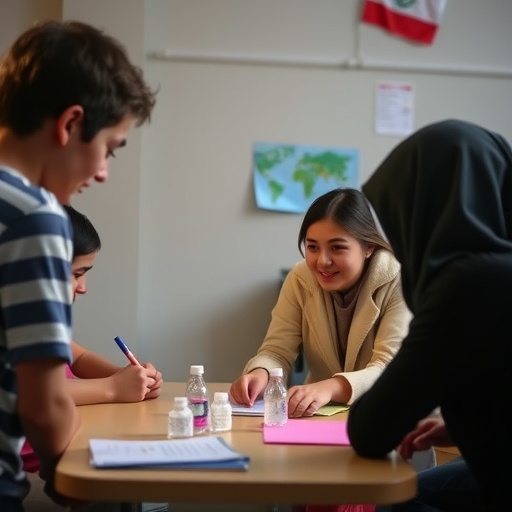
Aspects such as local communication styles and familial engagement with autistic individuals are crucial to understanding how social skills are developed in different cultural frameworks. The Iranian version of the PEERS® program considered these elements by incorporating role-playing scenarios that reflect common social interactions within Iranian culture. For instance, discussions about customary greetings, community gatherings, and family rituals were essential topics addressed in the program, fostering real-world applicability for participants.
The adaptability of the PEERS® framework demonstrates its flexibility while still retaining its core components, which revolve around systematic skill-building strategies. This study reveals that with careful consideration of local contexts, evidence-based practices can be effectively implemented across diverse populations. The researchers observed notable improvements in participants’ social engagement, conversational skills, and overall confidence levels, showcasing the program’s potential to enhance quality of life.
Moreover, this research emphasizes the necessity for ongoing evaluations of culturally adapted programs, suggesting that improvements should be iterative. Insights gained from participants not only contribute to refined methodologies but may also inspire further research in neighboring countries dealing with similar cultural dynamics. This cross-regional dialogue can bring global awareness to distinct approaches in autism assistance, thereby fostering an inclusive environment beyond geographical boundaries.
Social media platforms and awareness campaigns will undoubtedly play a crucial role in the dissemination of this research’s findings. Creating online spaces where experiences can be shared boosts understanding and normalizes discussions surrounding autism. As Iranian communities engage more openly with these topics, it is likely to reduce stigma while encouraging families to seek assistance and explore intervention options previously overlooked.
The study led by Motamed et al. is essential reading for researchers, clinicians, and advocates alike. It signals a progressive trend toward culturally informed practices in autism research, highlighting the need for empathy and tailored methods in interventions. As we delve deeper into how variations across cultures affect therapeutic outcomes, it becomes increasingly clear that acknowledging these differences is not merely beneficial but necessary for meaningful impact.
Integrating the findings from this research creates a compelling case for increased funding and support for similar initiatives worldwide. By investing in culturally sensitive autism programs, stakeholders from government institutions to healthcare providers can facilitate more equitable access to needed resources. This, in turn, can lead to significant advancements in both research and community wellbeing.
The collective insights from this study not only propel the conversation forward regarding autism programming in Iran but also serve as a beacon of hope for other nations navigating the challenges of mental health care. The journey toward inclusivity in autism support programs is ongoing; however, the groundwork laid by this research is indicative of a bright future where every individual can access the benefits of tailored interventions.
In conclusion, as cultural adaptation and evaluation of programs like PEERS® gain traction, the narrative surrounding autism care is poised for transformation. Each culturally-informed approach enhances our collective understanding of the social constructs influencing autistic individuals and paves the way for a more accepting society. The implications of this research extend beyond the confines of academia; they influence real lives, making them an invaluable contribution to the scientific community and beyond.
Subject of Research: Cultural adaptation of the PEERS® program for autistic young adults in Iran.
Article Title: Cultural Adaptation and Evaluation of the PEERS® Program for Autistic Young Adults in Iran: A Mixed-Methods Study.
Article References:
Motamed, M., Jamaloo, S., Amin, R. et al. Cultural Adaptation and Evaluation of the PEERS® Program for Autistic Young Adults in Iran: A Mixed-Methods Study.
J Autism Dev Disord (2026). https://doi.org/10.1007/s10803-026-07231-5
Image Credits: AI Generated
DOI: https://doi.org/10.1007/s10803-026-07231-5
Keywords: Autism, PEERS program, cultural adaptation, social skills, mixed-methods study, Iran, mental health, inclusivity, evidence-based practices.
Tags: autism research in diverse cultureschallenges of adapting Western interventionscultural considerations in autism therapyculturally adapted autism interventionsenvironmental context in therapyevidence-based autism programsfamily dynamics and autisminclusivity in mental health resourcespeer interactions for autism supportPEERS program for autistic adultssocial skills training in Iransocietal perceptions of autism