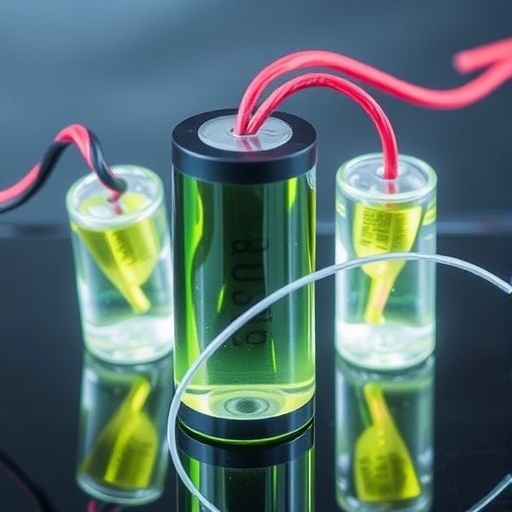
In the field of energy storage, the advent of green technologies has sparked a significant interest among researchers and industry leaders alike. One promising development in this area is the emergence of aqueous supercapacitors. These devices not only aim to store energy efficiently but also seek to do so in an environmentally friendly manner. The recent study conducted by Ayere, Cosmas, and Hinder sheds light on the innovative approaches towards creating high voltage aqueous supercapacitors, which hold the potential to revolutionize energy storage solutions.
From the onset, the importance of sustainability cannot be overstated. Traditional energy storage systems, such as lithium-ion batteries, have been criticized for their environmental impact, both regarding their production and disposal. The growing demand for greener alternatives has led researchers to explore aqueous supercapacitors, which utilize water-based electrolytes, paving the way for a more sustainable energy storage option. The unique properties of these devices make them suitable for a wide range of applications, from powering electric vehicles to large-scale energy storage solutions.
To further comprehend the significance of this research, it’s essential to understand the underlying operation of aqueous supercapacitors. These devices store energy through electrostatic charge accumulation, employing a dual-layer capacitor design that enhances energy density and overall efficiency. Unlike conventional batteries that rely on chemical reactions, supercapacitors offer a rapid charge and discharge cycle, making them particularly appealing for applications that demand quick bursts of energy.
The study delves into the various materials used in the construction of high voltage aqueous supercapacitors. Researchers experimented with a range of eco-friendly materials, aiming to optimize performance while minimizing environmental impact. By selecting materials that boast high conductivity and stability, the team was able to enhance the energy storage capacity significantly. The search for the ideal combination of materials is paramount in the quest for efficient supercapacitors that can operate at higher voltages without compromising safety.
In comparison to traditional energy storage technologies, high voltage aqueous supercapacitors present unique advantages. One of the most notable benefits is their inherent safety features. Aqueous electrolytes have lower risks of thermal runaway or explosion compared to flammable organic solvents found in lithium-ion batteries. Consequently, this aspect positions aqueous supercapacitors as a safer alternative for energy storage, especially in applications that demand reliability and durability.
The implications of this research extend beyond academic interest; they hold promise for practical applications in the commercial sector. As industries push towards a more sustainable future, the integration of high voltage aqueous supercapacitors could lead to significant advancements in energy management systems. Their rapid charging capabilities and extended lifespan could address current limitations faced by many energy storage solutions, fostering advancements in renewable energy utilization.
Moreover, the findings from Ayere et al. encourage further exploration into the scalability of these technologies. Large-scale implementation of high voltage aqueous supercapacitors could facilitate the efficient integration of renewable energy sources, such as solar and wind power. This integration is crucial as societies aim to transition towards more sustainable energy sources, emphasizing the need for reliable storage solutions that can accommodate varying energy demands.
In addition to their scalable potential, aqueous supercapacitors present an opportunity for innovation in energy efficiency. The researchers highlighted the need for continuous improvement and refinement of supercapacitor technologies to enhance their energy density and longevity. With ongoing advancements in material science and engineering, the dream of creating supercapacitors that can rival or even surpass the performance of current battery technologies may soon become a reality.
Crucially, the environmental benefits of these high voltage aqueous supercapacitors cannot be overlooked. By focusing on green materials and manufacturing processes, the research aligns with global sustainability goals. Efforts to reduce carbon footprints and dependency on non-renewable resources can be further bolstered by adopting technologies that prioritize eco-friendliness.
In conclusion, the investigation by Ayere, Cosmas, and Hinder marks a significant stride towards the development of green, high voltage, aqueous supercapacitors. The synergy between sustainable practices and advanced energy storage solutions is becoming increasingly vital as we navigate the challenges of providing energy in an eco-conscious manner. By building on the principles demonstrated in this study, the potential to reshape the future of energy storage appears promising, urging both scientific and commercial entities to invest in these innovative technologies.
As society leans towards greener alternatives, research such as this fosters a renewed hope for energy storage that prioritizes safety, efficiency, and sustainability. The ongoing evolution of aqueous supercapacitors exemplifies this shift and underscores the importance of continued exploration within the realm of energy innovations.
The journey to perfecting high voltage aqueous supercapacitors is just beginning. As technologies continue to evolve, researchers are optimistic about breakthroughs that can enhance performance further, paving the way for a new generation of energy storage solutions. The horizon is bright for sustainable energy systems that align with the world’s pressing need for greener technologies, bolstering research, innovation, and socio-economic advancement.
Subject of Research: High Voltage Aqueous Supercapacitors
Article Title: An investigation into green, high voltage, aqueous supercapacitors
Article References:
Ayere, O., Cosmas, V.P.T., Hinder, S.J. et al. An investigation into green, high voltage, aqueous supercapacitors.
Ionics (2026). https://doi.org/10.1007/s11581-025-06931-9
Image Credits: AI Generated
DOI: 27 January 2026
Keywords: Green technology, energy storage, aqueous supercapacitors, sustainability, high voltage.
Tags: applications of supercapacitorsdual-layer capacitor designeco-friendly energy storageelectric vehicle energy storageenvironmental impact of batteriesgreen technologies in energy storagehigh voltage aqueous supercapacitorsinnovations in energy storage systemsreducing environmental impact of energy systemsresearch on aqueous supercapacitorssustainable energy solutionswater-based electrolytes in supercapacitors