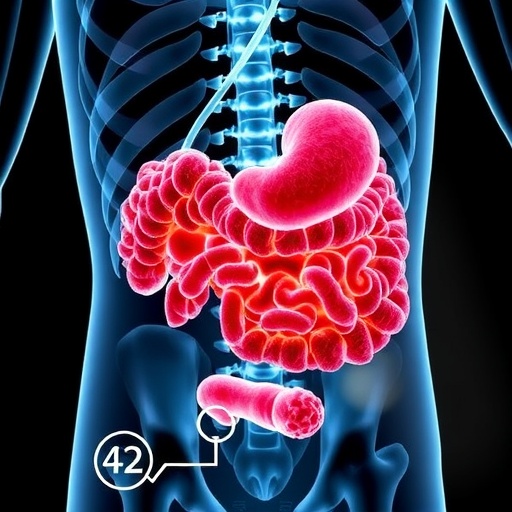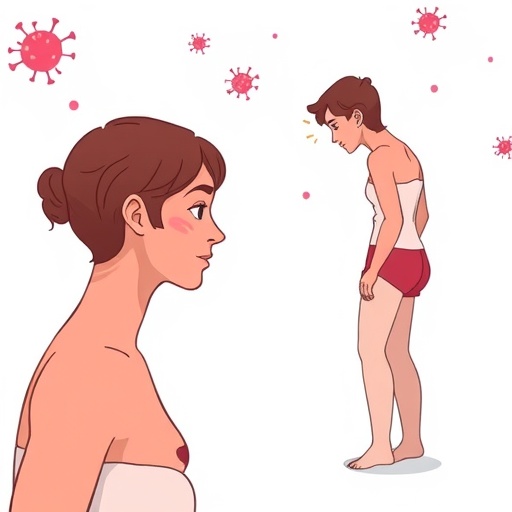
A recent study published in Biological Sex Differences has delved into a topic that has garnered increasing attention in the medical community: long COVID and its differential impacts according to sex. The research, conducted by a team of investigators including Feliz, Gonçalves, and Cabedo, undertakes a comprehensive analysis of the long-term symptoms associated with COVID-19, highlighting notable variations in the immune response between male and female patients. This groundbreaking research aims to shine a light on why men and women often experience COVID-19 sequelae so differently, providing valuable insights that could reshape treatment protocols in the wake of this global pandemic.
As the COVID-19 virus spread across the globe, researchers quickly began investigating the short-term impacts and the immediate effects on public health. However, as time progressed, a subset of patients emerged who continued to experience symptoms long after the acute phase of the disease had subsided. This phenomenon, termed long COVID, has raised healthcare concerns and prompted a plethora of research efforts around the world aimed at understanding its underlying mechanisms. The current study adds to this growing body of literature by specifically examining the potential for sex differences in symptomology and immune profiling among individuals suffering from long COVID.
The study’s authors emphasize the growing recognition that sex and gender can significantly influence the manifestation and persistence of various diseases, including COVID-19. Their research posits that biological differences—such as hormonal variations, immune system responses, and genetic factors—may contribute to the observed disparities in long COVID outcomes. By focusing on these sex-specific responses, the researchers hope to uncover critical insights that will inform future diagnostic and therapeutic strategies.
Feliz and colleagues meticulously collected data from a cohort of long COVID patients, assessing a variety of symptoms over an extended period. The results indicate that women are more likely to report symptoms such as fatigue, sleep disturbances, and cognitive issues, while men may experience more acute respiratory problems. This distinction may be attributed to the inherent differences in immune system functioning between the sexes, warranting further investigation into how these factors can be leveraged in clinical settings.
Furthermore, the research highlights the necessity of understanding immune responses to chronic viral infections. The study analyzed cytokine profiles and immune cell phenotypes, revealing disparities in the levels and types of immune cells present in male versus female patients. These findings raise critical questions regarding how immune response discrepancies may contribute to the prolonged suffering experienced by some long COVID patients and how treatment approaches might need to be tailored accordingly.
Interestingly, the research presents a more nuanced picture of the long-term consequences of COVID-19 infection, calling into question assumptions that have traditionally dominated discussions around infectious diseases. Rather than treating COVID-19 as a uniform phenomenon that affects all patients equally, this study advocates for a more personalized approach to patient care—one that accounts for the significant role of sex as a crucial factor in determining outcomes.
Moreover, the implications of this research extend beyond just understanding long COVID symptoms. The findings suggest that an awareness of sex differences could facilitate the development of targeted therapies designed to address the unique needs of male and female patients. Such treatments may not only improve patient outcomes but could also lead to more efficient resource allocation within healthcare systems that continue to wrestle with the ramifications of the pandemic.
On a societal level, these findings underscore the importance of inclusivity in medical research. Historically, clinical trials and studies have often underrepresented women, leading to a gap in understanding how diseases impact different demographics. This research champions a paradigm shift, advocating for sex-disaggregated data to become a standard practice in future research. By integrating more diverse populations into studies, we stand to gain a more holistic picture of health that could ultimately save lives.
As governments and health organizations grapple with the ongoing challenges posed by COVID-19, understanding the complexities of long COVID is paramount. The insights gleaned from this study serve as a clarion call to the medical community to prioritize investigations into sex-based differences in health outcomes. With long COVID believed to affect millions of individuals worldwide, the potential for tailored therapeutic interventions that consider sex differences could be a game-changer in managing and mitigating the long-term effects of this virus.
As the study unfolds and the researchers continue to analyze the data, there is a collective expectation that their work will ignite further studies in this vital area. The ramifications of understanding long COVID through a gendered lens have the potential to not only advance our scientific knowledge but also reshape public health policy frameworks. It could inform guidelines on patient care, foster innovations in treatment development, and ultimately help to alleviate the burden faced by individuals suffering from the long-term effects of COVID-19.
In conclusion, the compelling findings of Feliz and colleagues make a significant contribution to the ongoing discourse surrounding COVID-19 and its aftereffects. By shedding light on the sex-specific differences in symptoms and immune responses to long COVID, the study underscores the necessity of adopting a more individualized approach to patient care. As we move forward in this pandemic era, integrating these insights into clinical practice and public health policy will be crucial in effectively addressing the myriad challenges posed by long COVID.
The research encourages us to rethink preconceived notions surrounding disease and treatment, reinforcing the importance of personalization in medicine. The horizon for long COVID research appears bright, with the promise of further investigations and developments aimed at improving patient outcomes, guided by the knowledge that one size does not fit all when it comes to health.
As the scientific community continues to engage with and respond to the ongoing challenges of the COVID-19 pandemic, studies like this one are essential. They not only contribute to a growing understanding of long COVID but also lay the groundwork for future public health efforts dedicated to tackling the pandemic’s long-term consequences in a more equitable and effective manner.
This research stands as a beacon of hope that a deeper understanding of the biology underlying sex differences can lead to innovative and tailored approaches to healthcare. As we move into a future still heavily influenced by COVID-19, lessons learned from this study will undoubtedly resonate within the framework of medical research and treatment, holding the potential to illuminate pathways into understanding other diseases and health issues as well.
Understanding long COVID is pivotal not just as a response to this pandemic but also as a foundation for addressing future health crises. By prioritizing research that considers gender disparities, the scientific community can work towards not only more robust public health strategies but also foster a culture of inclusivity and innovation in the patient care continuum.
As we reflect on the lasting impacts of COVID-19, let us carry forward the lessons learned from investigations like that of Feliz, Gonçalves, and Cabedo, ensuring that the voices of all patients are heard and addressed in the ongoing search for answers in the complex landscape of long COVID.
Subject of Research: Long-term sex differences in symptoms and immune profile in long COVID
Article Title: Long-term sex differences in symptoms and immune profile in long COVID
Article References:
Feliz, J., Gonçalves, J., Cabedo, C. et al. Long-term sex differences in symptoms and immune profile in long COVID.
Biol Sex Differ (2026). https://doi.org/10.1186/s13293-026-00825-9
Image Credits: AI Generated
DOI: 10.1186/s13293-026-00825-9
Keywords: long COVID, sex differences, symptoms, immune profile, biological sex differences, personalized medicine, health disparities
Tags: biological factors influencing long COVIDbiological sex differences in immunityCOVID-19 pandemic impacts on healthCOVID-19 sequelae in men and womengender disparities in long COVIDhealthcare implications of Long COVIDimmune response differences in COVID-19long COVID symptoms by sexlong-term effects of COVID-19research on long COVIDsex differences in disease outcomestreatment protocols for long COVID