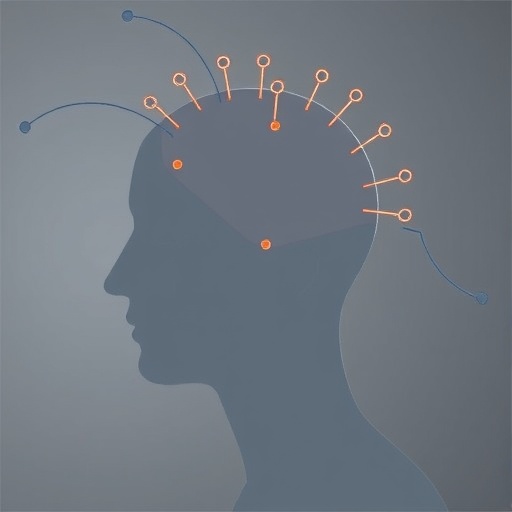
The field of acupuncture and its efficacy in treating various ailments, particularly migraine, has gained significant attention in recent years. As a traditional Chinese medicine practice, acupuncture involves the insertion of fine needles into specific points on the body to alleviate pain and promote healing. Despite its long-standing history, skepticism persists regarding its mechanistic effectiveness. New research sheds light on the pivotal role of sham acupuncture in randomized controlled trials and its association with perceived efficacy of acupuncture treatments.
In a groundbreaking study published in BMC Complementary Medicine and Therapies, researchers Li, Hou, and Yang et al. undertake an extensive examination of how sham acupuncture is designed and reported in clinical trials targeting migraine relief. Sham acupuncture serves as a placebo control, allowing researchers to differentiate between the actual effects of acupuncture and those stemming from psychological or contextual factors associated with treatment. Understanding the nuances of this process is crucial for interpreting trial outcomes and establishing the credibility of acupuncture as an evidence-based therapy.
Central to the study is the assertion that the design and reporting of sham acupuncture can significantly influence the trial results and, consequently, the perceived effectiveness of acupuncture. Inadequate acknowledgment of the complexities of sham protocols can lead to misleading conclusions. The authors point out that variations in the sham acupuncture techniques used can skew results, highlighting that not all sham approaches are created equal. These discrepancies raise questions about the reliability of trial outcomes and urge the scientific community to adopt standardized methodologies in sham acupuncture trials.
As the authors delve deeper into their findings, they uncover the influential role of participant expectations and the psychological dimensions associated with sham acupuncture. The placebo effect, deeply rooted in human psychology, is enhanced when patients are convinced that they are receiving authentic acupuncture treatment, regardless of the actual nature of the intervention. This psychological response complicates the assessment of acupuncture’s true efficacy and necessitates a more refined approach to sham designs to accurately quantify genuine treatment effects.
Equally vital to this discourse is the ethical aspect of using sham acupuncture in clinical trials. Many argue that deceiving participants into believing they are receiving real treatment raises moral concerns. Advocates for ethical trial designs propose transparency while maintaining methodological rigor, suggesting that informed consent could accommodate participant awareness of sham procedures, thus preserving the integrity of the trial without sacrificing ethical standards.
The implications of the research are far-reaching. As acupuncture continues to navigate the complex landscape of modern medicine, the study serves as a call to action for researchers, healthcare providers, and patients alike. Heightened awareness of the intricacies surrounding sham acupuncture can lead to better-informed clinical decisions, improved patient education, and ultimately, more effective treatment protocols.
Furthermore, the conclusions drawn by the authors advocate for a broader understanding of acupuncture efficacy that transcends mere clinical outcomes. It encourages practitioners to consider factors such as the therapeutic environment, practitioner-patient interactions, and the subjective experiences of patients. These insights provide a holistic view of acupuncture’s role within integrative medicine, calling for an appreciation of both physiological and psychological components in patient care.
As the scientific community continues to grapple with the validation of acupuncture techniques, ongoing research will be essential. Future studies should focus on refining sham acupuncture methodologies and exploring the intersections of mind and body in therapeutic practices. Advancements in neuroimaging and psychobiological research may uncover essential insights into the mechanisms underlying acupuncture’s effects, fostering greater acceptance and understanding among practitioners and patients.
In summary, the design and reporting of sham acupuncture in clinical trials are critical considerations in determining the efficacy of acupuncture for migraine treatment. As Li, Hou, and Yang et al. illustrate, the interplay between physiological effects and psychological expectations must be carefully disentangled to unveil the true potential of acupuncture therapies. This body of research not only enhances the scientific understanding of acupuncture but also seeks to elevate clinical practice standards, providing patients with safer and more effective treatment options.
The continued exploration of acupuncture and its myriad effects reflects a broader shift towards more holistic and integrative approaches to healthcare. As healthcare professionals seek to measure effectiveness beyond traditional metrics, the ongoing examination of factors influencing treatment outcomes will remain paramount. As the dialogue surrounding acupuncture evolves, a foundation laid on rigorous research and ethical practice will forge pathways for enhanced patient care, bridging the gap between ancient wisdom and modern medicine in a way that resonates with the health needs of today’s society.
Ultimately, this examination of sham acupuncture’s role in clinical trials emphasizes that well-designed research, awareness of bias, and ethical considerations are all crucial for comprehending not only acupuncture’s efficacy but also the larger narrative of healing in the contemporary medical landscape. Inclusive of varying methodologies and interpretations, such studies will reflect the complexity of human health in a world where both mind and body intricately intersect in the pursuit of wellness.
Subject of Research: Acupuncture, sham acupuncture’s role in clinical trials, efficacy in treating migraines.
Article Title: The design and reporting of sham acupuncture and its association with the efficacy in acupuncture randomized controlled trials for migraine.
Article References:
Li, S., Hou, J., Yang, F. et al. The design and reporting of sham acupuncture and its association with the efficacy in acupuncture randomized controlled trials for migraine. BMC Complement Med Ther (2026). https://doi.org/10.1186/s12906-026-05267-9
Image Credits: AI Generated
DOI:
Keywords: acupuncture, sham acupuncture, migraines, clinical trials, placebo effect, efficacy, psychological response, ethical considerations, integrative medicine.
Tags: acupuncture and psychological factorsacupuncture effectiveness skepticismacupuncture trial design impactBMC Complementary Medicine and Therapies study.evidence-based acupuncture therapymigraine treatment efficacynuances of acupuncture researchplacebo control in acupuncture studiesrandomized controlled trials in acupuncturesham acupuncture in clinical trialsTraditional Chinese Medicine researchunderstanding sham protocols in trials