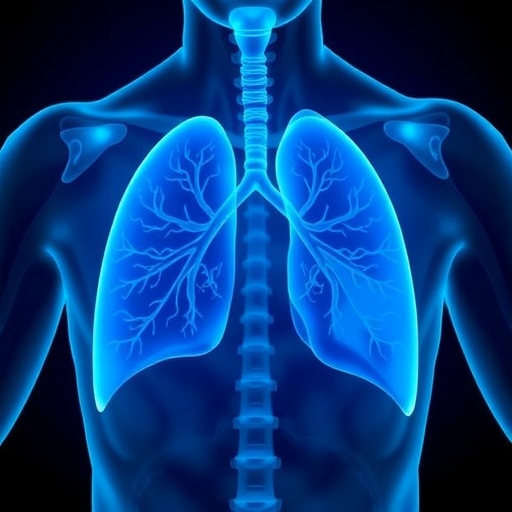
In recent years, the pediatric medical community has observed a marked rise in cases of pulmonary thromboembolism (PTE) linked to Mycoplasma pneumoniae pneumonia, a development that poses new challenges for early diagnosis, efficient treatment, and prevention. Mycoplasma pneumoniae, a common respiratory pathogen in children, is traditionally associated with atypical pneumonia but has increasingly been implicated in serious thromboembolic complications, triggering urgent calls for a deeper understanding of its pathophysiological mechanisms and the establishment of standardized therapeutic protocols. This evolving clinical landscape necessitates an in-depth appraisal of current treatment strategies and advances in preventive measures tailored specifically for pediatric patients.
PTE occurs when a blood clot obstructs pulmonary arteries, leading to impaired respiratory function and a potentially fatal outcome. The association between Mycoplasma pneumoniae pneumonia and PTE is attributed to complex immune and inflammatory responses triggered by the pathogen, which may induce hypercoagulability. This hypercoagulable state in children, whose hemostatic systems are still developing, represents a critical area of investigation, as it underscores the importance of early identification of at-risk patients and timely therapeutic intervention. The current surge in reported PTE cases compels clinicians and researchers alike to reevaluate diagnostic criteria and treatment paradigms.
Anticoagulant therapy stands at the forefront of treatment modalities for PTE in pediatric patients with Mycoplasma pneumoniae pneumonia. Low molecular weight heparin (LMWH) is notably preferred due to its favorable pharmacokinetic profile, ease of administration, and safety in children. Emerging data suggest that early initiation of anticoagulation not only prevents clot propagation but may also mitigate inflammation-related vascular injury. However, therapeutic dosage adjustments remain challenging, necessitating close monitoring of coagulation parameters and careful balancing of bleeding risks versus thrombotic benefits.
Systemic thrombolytic therapy represents a critical intervention for severe cases of pulmonary embolism where rapid clot dissolution is imperative to restore pulmonary perfusion and oxygenation. Agents such as tissue plasminogen activator (tPA) are employed, though their use in pediatric populations mandates meticulous consideration of bleeding complications. Recent clinical reports underscore the potential benefits of thrombolytics in life-threatening PTE linked to Mycoplasma pneumoniae infection, but standardized treatment protocols are still evolving, highlighting an urgent need for pediatric-specific clinical trials to establish efficacy and safety benchmarks.
In parallel, interventional therapies have gained traction as minimally invasive options for mechanically resolving pulmonary emboli. Techniques including catheter-directed thrombolysis and thrombectomy facilitate targeted clot removal, potentially reducing systemic side effects associated with pharmacological agents. While adult trials have demonstrated promising outcomes, pediatric applications remain relatively novel, and ongoing research endeavors are examining optimal procedural timing and patient selection criteria to maximize therapeutic success without compromising safety.
Surgical therapy, though less commonly employed, remains a vital recourse for refractory or massive pulmonary embolism cases where other treatments have failed or are contraindicated. Pulmonary embolectomy in children requires specialized cardiothoracic expertise and is tightly coupled with the risk of perioperative complications. Recent advances in surgical techniques and perioperative care have enhanced survival rates, but this intervention is reserved for critically ill patients due to its invasive nature and associated morbidity.
Beyond therapeutic innovations, recent research has focused intensively on deciphering the multifactorial risk factors predisposing children with Mycoplasma pneumoniae pneumonia to pulmonary thromboembolism. Immune system dysregulation, endothelial injury, and the generation of prothrombotic antibodies are among the leading hypotheses explaining the pathogenesis. Molecular studies have identified the role of cytokine storms and complement activation as potential drivers of hypercoagulability, providing insight into novel preventive targets.
Genetic predisposition also emerges as a crucial determinant influencing the likelihood of thromboembolic events in affected children. Polymorphisms in coagulation factor genes and inherited thrombophilias, such as Factor V Leiden mutation or prothrombin gene mutations, may synergize with infection-induced inflammation to exacerbate clot formation. Integrating genetic screening into clinical assessment could enable more personalized approaches to prevention and management, although ethical and practical considerations remain.
Research into biomarkers predictive of PTE in the context of Mycoplasma pneumoniae pneumonia is advancing, with D-dimer levels, platelet activation markers, and pro-inflammatory cytokines under rigorous evaluation. Such biomarkers could offer real-time risk stratification tools, facilitating early intervention and improving prognosis. However, challenges related to assay standardization and pediatric normative data need resolution before widespread clinical adoption.
Preventive strategies are currently evolving, with heightened vigilance for thromboembolic complications during Mycoplasma pneumoniae pneumonia management. Prophylactic anticoagulation in high-risk patients is being explored, balanced against the hazards of overtreatment and bleeding. Adjunctive treatments targeting the inflammatory cascade, including corticosteroids and immunomodulators, are under investigation for their potential to reduce thrombotic risk by attenuating systemic inflammation.
Multidisciplinary collaboration is paramount for optimizing outcomes in children with PTE secondary to Mycoplasma pneumoniae infection. Pulmonologists, hematologists, infectious disease specialists, and intensivists must coordinate care, tailoring interventions to individual clinical scenarios and dynamically assessing risks and benefits. This integrative care model supports not only acute management but also comprehensive follow-up to monitor for late sequelae such as chronic thromboembolic pulmonary hypertension.
The rising incidence of pulmonary thromboembolism in pediatric pneumonia cases signals a pressing public health concern necessitating systematic surveillance and reporting. Epidemiological studies are being prioritized to delineate incidence trends and geographic variability, informing resource allocation and guiding public health policies. Enhanced awareness campaigns among clinicians aim to reduce diagnostic delays, which are pivotal in preventing catastrophic outcomes.
Education and training initiatives targeting pediatric healthcare providers emphasize the importance of recognizing atypical presentations and incorporating point-of-care ultrasound and advanced imaging modalities in early diagnosis. Such efforts are expected to bolster timely detection and improve clinical decision-making, reinforcing the need for continuous professional development in this rapidly evolving domain.
As research progresses, innovative therapeutic agents targeting specific pathogenic pathways implicated in Mycoplasma pneumoniae-related thrombosis are in preclinical and early clinical development stages. Drugs modulating neutrophil extracellular traps, inhibitors of complement activation, and targeted anti-inflammatory biologics hold promise for future treatment regimens that transcend conventional anticoagulation paradigms.
In conclusion, the emergence of pulmonary thromboembolism as a significant complication in children with Mycoplasma pneumoniae pneumonia demands a multifaceted response combining cutting-edge research, rigorous clinical trials, and enhanced interdisciplinary cooperation. The integration of novel diagnostic tools, refined therapeutic strategies, and preventive interventions offers hope for curbing the morbidity and mortality associated with this challenging clinical entity. As knowledge deepens, it will be crucial to translate these advances into standardized clinical guidelines to safeguard the health and lives of vulnerable pediatric populations worldwide.
Subject of Research: Treatment and prevention of pulmonary thromboembolism associated with Mycoplasma pneumoniae pneumonia in children.
Article Title: Advances in treatment and prevention of pulmonary thromboembolism associated with Mycoplasma pneumoniae pneumonia in children.
Article References:
Hu, Y., Ma, H. & Guan, R. Advances in treatment and prevention of pulmonary thromboembolism associated with Mycoplasma pneumoniae pneumonia in children. Pediatr Res (2026). https://doi.org/10.1038/s41390-026-04794-y
Image Credits: AI Generated
DOI: 10.1038/s41390-026-04794-y (Published 26 January 2026)
Tags: anticoagulant therapy for PTEclinical challenges in treating PTEearly diagnosis of PTEhypercoagulability in childrenimmune responses to Mycoplasma pneumoniaeMycoplasma pneumoniae pneumoniapediatric hemostatic systemspediatric pulmonary thromboembolismpreventive measures for pulmonary thromboembolismrespiratory pathogens in pediatricsthromboembolic complications in childrentreatment strategies for pediatric PTE