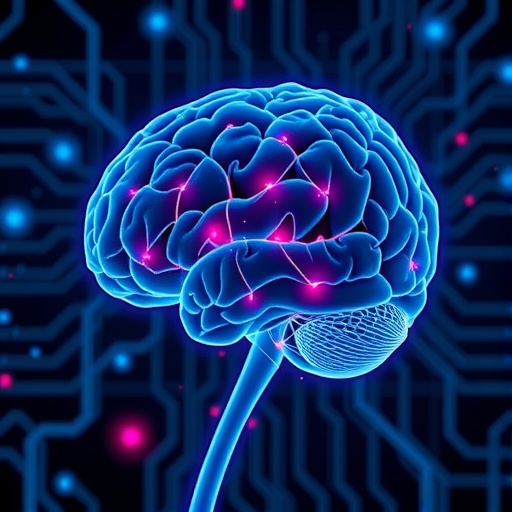
In recent years, artificial intelligence and machine learning have rapidly transformed numerous sectors, including healthcare. One of the most promising applications of these technologies lies in the classification and early diagnosis of dementia. In a groundbreaking study, Usanase, Usman, and Ozsahin delve into the potential of machine learning algorithms to assess dementia based on eight clinical diagnostic measures. This innovative approach could revolutionize how medical professionals identify and manage dementia, opening new avenues for patient care.
Machine learning is a branch of artificial intelligence that enables systems to learn from and make predictions based on data. Unlike traditional software, which follows explicit instructions, these algorithms can identify patterns in complex datasets. This ability makes machine learning particularly suited for applications in healthcare, where vast amounts of data are collected daily. In dementia research, machine learning algorithms can analyze various inputs, including cognitive performances, mood assessments, physical health indicators, and other clinical metrics to provide a multifaceted evaluation of a patient’s condition.
The study conducted by Usanase and colleagues employs eight specific clinical diagnostic measures that have been shown to influence dementia diagnosis. This includes cognitive assessments, neuropsychological tests, and behavioral evaluations. By integrating diverse data points, the researchers sought to create a robust model capable of accurately classifying different forms of dementia, such as Alzheimer’s disease and vascular dementia. The implications of such a system could lead to more tailored and effective treatment plans, benefiting both patients and healthcare providers.
The researchers utilized a variety of machine learning techniques, including supervised learning algorithms that train on known outcomes. These algorithms, including decision trees, support vector machines, and neural networks, allow for intricate analyses that can reveal subtle distinctions between dementia types. The study highlights that utilizing an ensemble approach—combining multiple models—can enhance classification accuracy, reducing the risk of misdiagnosis that can have dire consequences for patients.
Furthermore, the research emphasizes the importance of data quality. For machine learning models to be effective, the data fed into them has to be accurate and pertinent. Usanase and their team meticulously curated a reliable dataset, sourcing information from clinical records and assessments that adhered to strict research protocols. This commitment to data integrity underscores the study’s reliability, suggesting that other researchers can build upon these findings to explore further applications in dementia diagnosis and treatment.
By leveraging machine learning to assess clinical diagnostics, the research not only reveals the potential for improved accuracy in identifying dementia but also raises significant questions regarding the future of diagnosis itself. With technology advancing at such a rapid pace, one must consider how machine learning could replace or complement traditional diagnostic methods. Will healthcare professionals rely more on algorithm-driven insights? The answers to these questions may lay the groundwork for a new era in medical diagnostics, shifting the focus towards patient-centric, technology-integrated care.
In analyzing the intersection of technology and healthcare, the ethical implications cannot be ignored. Who is responsible for the decisions made on the basis of machine learning outputs? The study touches upon the need for transparency and accountability in using artificial intelligence in healthcare settings. There’s also a pressing need for continuous human oversight, as algorithms can only function based on the data they receive, which may not always fully encapsulate the complexities of human health.
As the conversation around machine learning in dementia classification develops, researchers and practitioners must advocate for the standardization of data practices in healthcare. This includes creating comprehensive databases that encompass diverse populations, ensuring that machine learning models do not perpetuate biases that could adversely affect specific demographics. The aim should be to create a model that is inclusive and representative of the varied experiences of dementia patients, ultimately leading to more equitable healthcare solutions.
This study not only contributes to academia but serves as a call to action for healthcare stakeholders. The integration of advanced data analytics and machine learning provides a unique opportunity to enhance patient care, ensure better diagnostic accuracy, and develop a deeper understanding of dementia pathology. Those in the medical and academic communities are encouraged to collaborate, sharing their findings, insights, and innovations as they explore the full potential of machine learning in clinical settings.
Ultimately, Usanase, Usman, and Ozsahin’s work exemplifies the power of interdisciplinary collaboration in research. By combining expertise in healthcare and machine learning, they showcase how technology can be harnessed to address pressing health issues. This approach serves as a model for future studies, advocating for a blend of clinical knowledge and technological advancement in tackling complex medical challenges.
In conclusion, the intersection of machine learning and clinical diagnostics provides an exciting frontier in dementia research. The findings presented by Usanase et al. signify a pivotal moment in the quest for improved diagnostic accuracy and patient outcomes. As research in this field continues to evolve, it holds the promise of not only transforming dementia classification but also paving the way for broader applications of machine learning in healthcare.
The implications of this study extend beyond academia and into clinical practice, highlighting a need for training health professionals in understanding and utilizing machine learning tools effectively. As machine learning algorithms become more commonplace within healthcare settings, equipping clinicians with the necessary skills to interpret and apply these technologies will be crucial in realizing their potential benefits. Clear communication between technologists and clinicians will be paramount in ensuring that these tools enhance rather than complicate patient care, fostering an environment of collaboration and shared understanding.
In summary, the research conducted by Usanase, Usman, and Ozsahin demonstrates a transformative step towards integrating machine learning within clinical diagnostics for dementia. It is a clarion call for the future of medicine, advocating for the adoption of innovative approaches that could ultimately enhance the quality of life for millions affected by this debilitating condition. The fusion of technology and healthcare not only holds promise but also demands a communal commitment to ethical, precise, and humane patient care, forming the backbone of future advancements in the field.
Subject of Research: Machine Learning Applications in Dementia Classification
Article Title: Applications of Machine Learning Algorithms in Dementia Classification Using Eight Clinical Diagnostic Measures
Article References: Usanase, N., Usman, A.G. & Ozsahin, D.U. Applications of Machine Learning Algorithms in Dementia Classification Using Eight Clinical Diagnostic Measures. Ageing Int 51, 1 (2026). https://doi.org/10.1007/s12126-025-09643-7
Image Credits: AI Generated
DOI: https://doi.org/10.1007/s12126-025-09643-7
Keywords: Machine Learning, Dementia, Clinical Diagnostics, Artificial Intelligence, Healthcare
Tags: artificial intelligence in dementia carebehavioral evaluations in dementia diagnosisclinical diagnostic measures for dementiacognitive assessments in dementia researchdata-driven healthcare solutionsdementia diagnosis using AIearly diagnosis of dementiainnovative approaches to dementia managementmachine learning algorithms for dementia classificationmachine learning in healthcareneuropsychological tests for dementiapatient care advancements in dementia