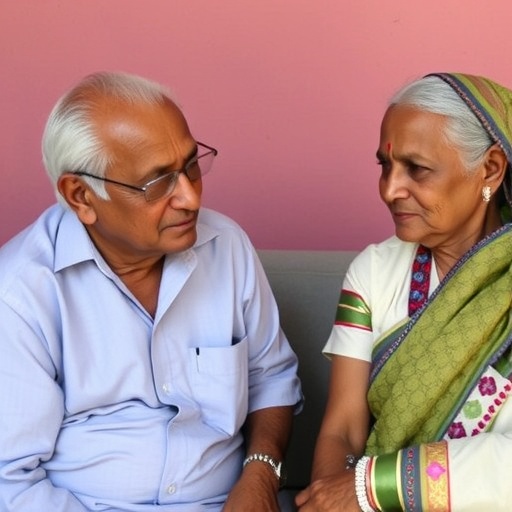
In the rapidly evolving landscape of health and wellness research, a striking new study sheds light on an increasingly pressing issue: the intersection of multimorbidity, fragility fractures, and the economic burden faced by older Indian adults. Published in the esteemed journal Archives of Osteoporosis, the study conducted by Yadav, Kumar, Bharathi, and their colleagues unveils critical findings that highlight the unique health challenges that afflict this demographic.
As individuals age, they often grapple with multiple chronic health conditions—referred to as multimorbidity—which complicates their overall health management. This phenomenon is not exclusive to certain regions but manifests globally, with the situation in India posing unique challenges due to its diverse socio-economic landscape. The study emphasizes that older adults in India are increasingly susceptible to various health afflictions concurrently, leading to significant health disparities across the population.
Fragility fractures, a common consequence of osteoporosis and other bone-related ailments, are particularly concerning for older adults. The link between these fractures and multimorbidity cannot be overstated, as individuals experiencing multiple chronic conditions often exhibit a higher incidence of such injuries. Not only do fragility fractures represent a significant health risk, but they further complicate the management of existing health conditions, leading to a potentially vicious cycle of poor health outcomes.
To understand the financial repercussions of these health issues, the authors examine out-of-pocket expenditures incurred by older adults in India. The burden of healthcare costs can be overwhelming, especially for older individuals who may be on fixed incomes or may not have access to comprehensive health insurance. This research quantifies the extent to which medical expenses for treating multimorbidity and related complications drain financial resources, often leading to catastrophic health expenditures that threaten the economic stability of households.
The findings of this study are particularly significant in the context of India’s demographic trends. With a rapidly aging population, understanding the implications of multimorbidity and its associated health risks is paramount. The study not only provides a snapshot of the current health landscape but also serves as a call to action for policymakers to develop targeted interventions that can mitigate these health risks and improve outcomes for older adults.
In addition, the researchers utilized a robust methodology that incorporated data from a national survey to ensure that their findings were representative of the entire population. By employing rigorous statistical analyses, they were able to identify key correlations between multimorbidity, fragility fractures, and out-of-pocket expenditures, thereby providing a compelling narrative around the financial stressors faced by older adults in India.
As healthcare systems worldwide grapple with the implications of an aging population, this study offers valuable insights that extend beyond the borders of India. The intersection of multimorbidity and economic strain is a global phenomenon that necessitates comprehensive strategies to address the unique needs of aging populations.
Moreover, the implications of this research extend to healthcare infrastructure as well. There is a pressing need for an integrated approach to health services that can better cater to the complex needs of older adults. Emphasizing preventative care, timely intervention, and interdisciplinary care models could substantially reduce the incidence of fragility fractures and enhance overall health outcomes.
As communities and policymakers strive to cultivate healthier aging processes, public awareness initiatives can play an integral role in educating older adults about the importance of proactive health management. Encouraging regular health screenings, nutrition, physical activity, and fall-prevention strategies serves to enhance quality of life while reducing the risk of multimorbidity and related complications.
In conclusion, Yadav and colleagues’ research fills a significant gap in our understanding of the health challenges faced by older Indian adults and highlights the intricate relationship between multimorbidity, fragility fractures, and healthcare expenditures. This study advocates not only for the necessity of more informed healthcare policies but also for a concerted effort across disciplines to foster healthier aging and greater economic resilience among older individuals.
As the conversation surrounding aging, health, and economics continues to unfold, it is critical that we pay attention to the data and narratives arising from comprehensive studies like this one. The voices of older adults must be amplified in debates concerning health policy and resource allocation, ensuring that their needs are met with compassion and scientifically sound strategies.
In embracing the lessons from this research, countries navigating similar challenges can collaborate toward evidence-based solutions, fostering a robust framework for supporting aging populations. This approach undoubtedly has the potential to improve health outcomes while alleviating the financial burdens that accompany chronic illness in older adults.
Moving forward, further research must prioritize the intersectionality of health and economics in aging populations, a strategy that could significantly influence the quality of care and overall health trajectories. The scientific community stands resilient in its mission to uncover the truths hidden within data, thus paving the way for healthier and more financially secure futures for older adults everywhere.
Subject of Research: Multimorbidity, fragility fractures, and out-of-pocket expenditure in older Indian adults.
Article Title: Multimorbidity, fragility fractures, and out-of-pocket expenditure in older Indian adults: evidence from a national survey.
Article References:
Yadav, J., Kumar, K., Bharathi, K. et al. Multimorbidity, fragility fractures, and out-of-pocket expenditure in older Indian adults: evidence from a national survey. Arch Osteoporos 21, 1 (2026). https://doi.org/10.1007/s11657-025-01632-2
Image Credits: AI Generated
DOI: https://doi.org/10.1007/s11657-025-01632-2
Keywords: Multimorbidity, fragility fractures, older adults, healthcare expenditure, India.
Tags: aging population health challengesbone health in elderlychronic health conditions in older adultscritical findings in geriatric healtheconomic burden of health conditionsfragility fractures and osteoporosishealth disparities in Indiahealth research in Indiaintersection of health and economicsmanagement of multimorbiditymultimorbidity in elderly Indianssocio-economic factors affecting health