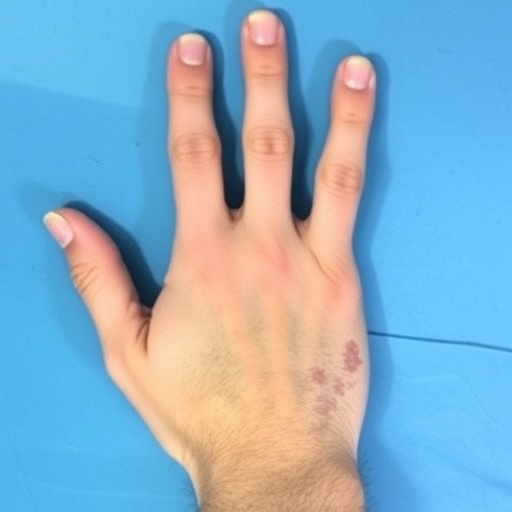
Research has revealed notable insights into a relatively rare dermatological condition known as drug-induced palmoplantar pustulosis (DIPP). This condition is characterized by the presence of pustules on the palms of the hands and soles of the feet, which can significantly affect the quality of life of those who suffer from it. As dermatology continues to evolve, it becomes increasingly crucial to understand the multifaceted interactions between medications and the skin. A systematic review authored by Qian, Goyal, Wang, and colleagues sheds light on this phenomenon, providing a comprehensive examination of DIPP and its associated drug triggers.
The systematic review compiled data from various studies to identify the common medications that precipitate this condition. Such medications include various classes ranging from systemic retinoids, beta-blockers, and even some types of antibiotics. This meticulous approach helps to elucidate which prescriptions pose the highest risk for patients predisposed to developing DIPP. The review’s focus on systematic methodology provides a framework for future research, allowing medical professionals to make informed choices in prescribing medication to patients who may be susceptible to this condition.
Understanding the pathophysiology of drug-induced palmoplantar pustulosis is critical to managing and treating affected individuals effectively. When drugs trigger this condition, it is believed that they initiate an inflammatory response in the skin, leading to pustule formation. This reaction can be exacerbated by factors such as genetic predisposition, previous history of skin diseases, and overall immune system status. The systematic review emphasizes the need for further research into these underlying mechanisms in order to develop targeted therapies that could prevent the onset of pustulosis.
A significant aspect of the review is its detailing of the clinical presentation of DIPP, which often begins with the appearance of small, pinpoint pustules that can evolve into larger lesions. Patients frequently report itching and discomfort, creating a cyclical problem whereby individuals may scratch the affected areas, further aggravating their condition. The researchers underscore the psychological impact of living with such visible and uncomfortable symptoms, drawing attention to the importance of addressing not just the physical aspects but also the emotional well-being of patients.
When it comes to diagnosis, the review notes that clinicians often rely on the patient’s medical history, physical examination findings, and the timeline of symptom onset relative to medication initiation. A thorough evaluation can help distinguish DIPP from other similar conditions, such as palmoplantar psoriasis or eczema, which may present with similar symptoms but have fundamentally different underlying causes. The challenge remains for health professionals to stay informed about the potential adverse effects of medications, especially in light of rapidly changing pharmaceutical landscapes.
One of the encouraging outcomes of this systematic review is its emphasis on the role of patient education in the management of DIPP. Healthcare providers are urged to communicate potential risks associated with certain medications clearly. This dialogue serves to empower patients, enabling them to be vigilant about the side effects of drugs they may be prescribed. By fostering a collaborative environment, patients can work alongside their healthcare providers to make informed decisions regarding their treatments.
The review findings also underscore the necessity for pharmaceutical companies to conduct thorough post-marketing surveillance of drugs to monitor for adverse reactions such as DIPP. Such vigilance allows for continual assessment of the risk-benefit ratio of medications. Understanding the potential for a drug to induce a condition like palmoplantar pustulosis could lead to more cautious prescribing practices and encourage drug manufacturers to label medications with comprehensive information about possible dermatological side effects.
Any effective management strategy for DIPP requires an interdisciplinary approach, combining dermatological expertise with knowledge from other medical fields. For instance, rheumatologists and dermatologists might collaborate when treating patients with underlying autoimmune conditions that could make them more vulnerable to drug-induced reactions. This collaboration could lead to advancements in personalized medicine, where treatment plans are tailored to the individual needs of the patient.
The systematic review by Qian and colleagues opens the door for future inquiries into the prevention and management of DIPP, as well as encourages more extensive studies to isolate the mechanisms of drug-induced skin reactions. Innovative therapeutic approaches, potentially involving biologics or targeted immunotherapy, could emerge as future options for managing DIPP symptoms and improving patient outcomes.
As the understanding of DIPP grows, awareness among the medical community will be essential in reducing the incidence of this perplexing condition. Education and continued research will play pivotal roles in ensuring that patients are not only treated effectively but also are informed about their health choices. In the coming years, insights gleaned from this systematic review may assist healthcare professionals in providing better preventative care and therapeutic interventions for individuals at risk of developing drug-induced palmoplantar pustulosis.
In summary, the systematic review authored by Qian, Goyal, Wang, and colleagues represents a significant contribution to our understanding of drug-induced palmoplantar pustulosis. Their work encapsulates the importance of recognizing this condition, articulating its clinical implications, and advocating for more robust research into its causes and management. As our knowledge of DIPP expands, collaboration amongst healthcare professionals, along with patient education, will be vital in navigating this complex and often distressing complication of medication usage.
Subject of Research: Drug-induced palmoplantar pustulosis
Article Title: Drug-induced palmoplantar pustulosis: a systematic review
Article References:
Qian, S.Y., Goyal, J., Wang, S. et al. Drug-induced palmoplantar pustulosis: a systematic review. Arch Dermatol Res 318, 51 (2026). https://doi.org/10.1007/s00403-025-04509-z
Image Credits: AI Generated
DOI: 10.1007/s00403-025-04509-z
Keywords: drug-induced skin reactions, palmoplantar pustulosis, dermatology, medication side effects, patient education, inflammation, autoimmune conditions, therapeutic interventions.
Tags: antibiotic-induced skin conditionsbeta-blockers skin reactionsdermatological conditions reviewdermatology research methodologiesDIPP drug triggersdrug-induced palmoplantar pustulosismedications and skin interactionspathophysiology of DIPPpustules on palms and solesquality of life skin disorderssystemic retinoids and pustulosistreatment strategies for pustulosis