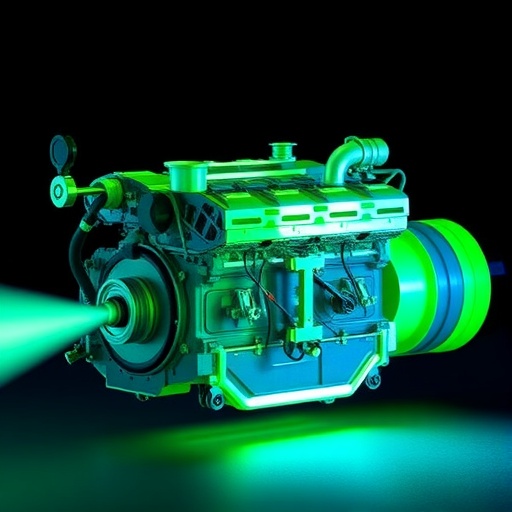
In an ever-evolving landscape of automotive technology, the quest for sustainable and efficient propulsion systems continues to gain momentum. One area of significant interest is the improvement of cold start procedures within hybrid powertrains, particularly those utilizing methanol. In recent research examined by Atzler, Werner, and Dobberkau, the focus has been directed toward understanding and optimizing the cold start performance of a serial hybrid powertrain that leverages methanol as a fuel source. The implications of this study are profound, especially considering the shifting paradigm toward cleaner fuels in the transportation sector.
The traditional internal combustion engine experiences challenges during cold starts, where the engine’s efficiency and emissions can be adversely affected. This phenomenon becomes particularly pronounced in colder climates, where the characteristics of fuels may change, leading to combustion inefficiencies. By utilizing methanol, researchers hypothesize that cold start performance can be markedly improved. Methanol possesses unique properties that could enhance the ignition and combustion process, ultimately leading to reduced emissions and better fuel efficiency when the vehicle is operating in low-temperature environments.
In the experimental setup detailed in the study, the researchers implemented a series of cold start tests under controlled conditions to gather comparative data. Parameters such as ignition delay, combustion stability, and emissions profiling were meticulously measured. These factors are critical as they ultimately influence the vehicle’s overall performance and environmental impact. The characteristically low boiling point of methanol lends itself to quicker vaporization, which can offer advantages in cold start scenarios when combustion efficiency is typically diminished.
The results indicated that vehicles running on methanol could start more reliably and quickly compared to traditional gasoline- or diesel-fueled powertrains. This reduction in cold start delay can lead to immediate benefits in urban areas where stop-and-go traffic is common. Such performance improvements are essential as cities around the world grapple with air quality concerns linked to vehicular emissions. The data collected also pointed towards a notable decrease in particulate matter and NOx emissions during the cold start phase for methanol-fueled engines.
In addition to engine performance, the researchers delved into the implications of implementing such cold start procedures within existing hybrid systems. Serial hybrid powertrains present a unique configuration where an electric motor drives the vehicle, while the internal combustion engine serves as a generator for the battery. This system architecture allows the engine to operate at optimal efficiency, reducing the frequency of cold starts. However, the initial ignition phase still poses challenges that need addressing, especially for fully compliant emissions standards in various regions.
Beyond performance metrics, the research considered the broader implications of adopting methanol as a mainstream fuel choice. As a fuel source that can be produced from renewable resources, methanol is positioned as a potentially sustainable alternative to fossil fuels. With advancements in renewables such as solar or wind energy, which can be harnessed to produce methanol via processes such as electrolysis, the reliance on carbon-emitting fuels may progressively diminish.
Economic considerations also play a crucial role in the transition to methanol-powered vehicles. The study elaborates on the cost-benefit analysis associated with retrofitting existing fleet vehicles to accommodate methanol fuel systems. Capitalizing on existing hybrid architectures aids in minimizing costs associated with infrastructure changes. Furthermore, the potential for collaborating with methanol producers could lead to establishing a more resilient and sustainable fuel supply chain.
Addressing public perceptions of methanol is another critical aspect of the research. Despite its advantages, methanol has faced skepticism due to safety concerns, particularly regarding its toxicity and flammability. The authors encourage a nuanced understanding of methanol’s properties, emphasizing that when managed properly, its benefits far outweigh the challenges associated with its handling. This public discourse is vital in paving the way for broader acceptance and adoption of methanol-based powertrains.
Moreover, the study seeks to establish a more transparent regulatory framework surrounding methanol fuel usage. By working cohesively with policymakers and automotive stakeholders, researchers aim to draft guidelines that ensure safety and environmental compliance in the deployment of methanol-powered vehicles, especially in urban centers with stringent air quality regulations.
Ultimately, the findings from Atzler, Werner, and Dobberkau mark a crucial step toward refining cold start procedures in hybrid powertrains. With the growing urgency to mitigate climate change impacts, this research sheds light on how alternative fuels can be effectively integrated into modern automotive technologies. The continued exploration of methanol as a viable fuel source could profoundly influence the trajectory of the automotive industry in its pursuit of sustainability and efficiency.
As the study’s implications resonate across both industrial and consumer landscapes, it raises pertinent questions about the future of hybrid technology. Will methanol become the new norm in automotive fuels, or will it share the stage with other emerging technologies like hydrogen fuel cells? This ongoing dialogue between innovation and practicality will shape the trajectory of the automobile’s evolution. The potential of methanol not only extends to cold start enhancements but also invites broader discussions about fuel diversification and energy security in an age increasingly characterized by environmental unpredictability.
The research encapsulates a milestone that could unify a community of engineers, manufacturers, and consumers focused on revolutionizing the transportation sector to make it more eco-friendly. Continued exploration of such methodologies can provide the industry with the iterative improvements necessary to tackle pressing emission concerns while meeting the demands of modern drivers yearning for a cleaner, more efficient, and sustainable future.
Furthermore, as energy demands evolve and technologies advance, continuous investment in alternative fuels like methanol can foster innovation within the automotive sector. With steady governmental support and consumer advocacy, methanol could indeed serve as a cornerstone in the complex architecture of future mobility, particularly as nations worldwide aim for carbon neutrality by mid-century. As research continues to unfold, the prospect of integrated and efficient methanol hybrid powertrains stands as a beacon of hope for environmental preservation through advanced automotive engineering.
In conclusion, as the automotive industry marches toward a more sustainable future, breakthroughs like these illuminate a path forward. The commitment to exploring and refining the methanol cold start procedures in serial hybrid powertrains is but one example of how a collaborative and innovative spirit can lead to impactful solutions that benefit both consumers and the environment alike.
Subject of Research: Methanol cold start procedure for a serial hybrid powertrain
Article Title: Methanol cold start procedure for a serial hybrid powertrain
Article References:
Atzler, F., Werner, R. & Dobberkau, M. Methanol cold start procedure for a serial hybrid powertrain. Automot. Engine Technol. 10, 10 (2025). https://doi.org/10.1007/s41104-025-00156-8
Image Credits: AI Generated
DOI: https://doi.org/10.1007/s41104-025-00156-8
Keywords: hybrid powertrain, methanol, cold start, emissions, sustainability, automotive technology, combustion efficiency, renewable fuels.
Tags: cleaner fuels in transportationcold start performance improvementemissions reduction in vehiclesexperimental methodology in automotive researchhybrid powertrain efficiencyignition and combustion properties of methanolinternal combustion engine challengeslow-temperature combustion techniquesmethanol as a fuel sourcemethanol cold start optimizationsustainable automotive technology