In an era where healthcare is evolving at an unprecedented rate, a new study emerging from Portuguese hospitals has taken a revolutionary step in heart failure management. Researchers Miranda, Rodrigues, and Matos Baptista, along with an esteemed group of collaborators, have introduced a modified nominal group technique to develop a management dashboard tailored for heart failure telemonitoring. Their innovative approach could reshape how healthcare professionals monitor and manage patients at risk of heart disease, thereby enhancing patient care quality.
At the heart of this research lies the urgent need to move beyond conventional monitoring methods. Heart failure is a silent epidemic, and an effective management strategy is crucial. The research team recognized that traditional indicators used in monitoring often fell short in providing a comprehensive view of a patient’s condition. Accordingly, they embarked on a journey to develop a more robust and intuitive system that encompasses both clinical outcomes and patient-reported metrics.
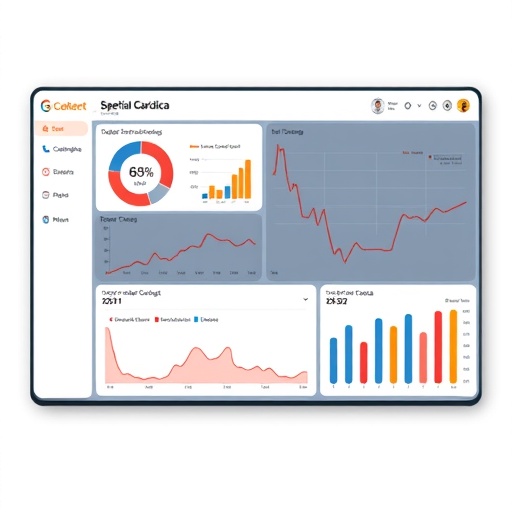
The modified nominal group technique is a systematic method enabling prioritized discussions among stakeholders. This approach is particularly useful in healthcare settings, where diverse opinions can lead to miscommunication and inefficiencies. By employing this technique, the research team was able to foster collaboration among healthcare providers, patients, and researchers, culminating in a management dashboard that aims to close the feedback loop between these groups. The dashboard is designed to collate and present data in real-time, allowing for timely interventions and tailored treatment plans.
With heart failure affecting millions worldwide, the importance of effective telemonitoring cannot be overstated. This technological intervention promises to provide timely data that can facilitate proactive management of heart failure. The researchers assert that the dashboard can highlight significant trends and developments within the patient’s health status, thus enabling healthcare providers to make informed decisions rapidly. Real-time data access could also significantly enhance the relationship between patients and their care teams, empowering individuals to take a more active role in their health.
The dashboard incorporates various predefined indicators based on both clinical data and real-world evidence. These indicators can be tailored based on the specific needs and conditions of each patient, resulting in a personalized care approach. This data-driven strategy positions healthcare providers to recognize early signs of deterioration and act before complications escalate. It’s a shift from reactive to proactive healthcare management, which plays a critical role in managing chronic conditions like heart failure.
Another fascinating aspect of this study is its emphasis on the role of patient perspectives. Insights gathered from patients themselves can provide a fuller understanding of their health conditions. By integrating patient-reported outcomes into the dashboard, it equips healthcare providers with more context about the patient’s experience, leading to more empathetic and effective healthcare solutions. This focus aligns with a growing trend towards patient-centric care in healthcare systems worldwide, marking a significant move towards a more holistic approach to healing.
Moreover, the study not only highlights the potential applications of the dashboard in managing heart failure but also opens up avenues for further research. The potential for adapting this management dashboard for other chronic conditions is a tantalizing prospect. By tweaking the indicators and utilizing similar methodologies, healthcare systems across varying specialties can harness this innovation, promoting an efficient management technique that can save lives.
Implementation of such technology also poses questions regarding data privacy and security. The advent of digital health necessitates stringent protocols to ensure patient information remains confidential. Governance frameworks must be established to address these concerns while encouraging the integration of technology into healthcare. The research team is aware of these challenges and advocates for a rigorous ethical approach to deploying their dashboard, ensuring that patients can benefit without compromising their rights.
In conclusion, the introduction of a management dashboard for heart failure telemonitoring poses not just an innovative strategy but a vital step towards reshaping healthcare delivery. This study serves as a clarion call for healthcare professionals, policymakers, and technology developers to converge towards collaborative solutions in chronic disease management. As the healthcare landscape continues to evolve, embracing technologies that prioritize patient engagement and real-time data monitoring will be critical in tackling pressing health challenges.
The findings of this research are only the beginning of a cascade of repercussions and advancements that could change how we approach chronic disease management entirely. In an age where technology has permeated almost every aspect of our lives, it’s imperative to harness its power to reshape the future of healthcare for the better.
Just as digital technology altered the landscape of numerous industries, the innovation detailed in this research could very well signal a paradigm shift in how we understand and treat chronic diseases, particularly heart failure. The researchers believe that with continuous enhancements and adaptations, this dashboard could become a standard tool in many healthcare settings, symbolizing a future where technology aids in promoting health and well-being on a grand scale.
As we stand on the brink of these advancements, the call to action is clear. Healthcare professionals must embrace the tools available to them, navigators in an increasingly complex healthcare environment, ensuring that the focus remains on improved patient outcomes and quality of care. The road ahead may be challenging, but the promise of improved health management is undeniably within reach.
Through this groundbreaking research, there emerges a pathway to enhanced healthcare that balances innovation, ethical considerations, and the essential human touch that underpins effective patient care. The ultimate goal remains: to save lives and improve the quality of life for those battling heart failure and other chronic conditions.
In a time where heart disease remains a pressing global health issue, one can only hope that this kind of pioneering research sparks further collaboration and innovation across healthcare systems around the world. The future of heart failure management is bright, thanks to forward-thinking research like this one, pointing the way towards integrated, patient-centered care that is anchored in data-driven practices.
This study marks a substantial contribution to the ongoing discourse surrounding healthcare innovation, with each step forward bringing us closer to optimized, responsive care that meets the demands of modern medicine. In the quest for better health outcomes, let us welcome these advancements, harnessing the potential of technology while always keeping the patient at the center of our efforts.
Subject of Research: Heart Failure Telemonitoring Management Dashboard
Article Title: From Predefined Indicators to a Management Dashboard for Heart Failure Telemonitoring: A Modified Nominal Group Technique Approach in Portuguese Hospitals
Article References:
Miranda, R., Rodrigues, D.F., Matos Baptista, F. et al. From predefined indicators to a management dashboard for heart failure telemonitoring: a modified nominal group technique approach in Portuguese hospitals.
BMC Health Serv Res (2026). https://doi.org/10.1186/s12913-026-14031-1
Image Credits: AI Generated
DOI:
Keywords: Heart Failure, Telemonitoring, Management Dashboard, Modified Nominal Group Technique, Patient-Centric Care.
Tags: addressing silent epidemic of heart failureclinical outcomes in heart failurecomprehensive patient condition assessmenthealthcare collaboration strategiesheart disease monitoring methodsheart failure telemonitoringinnovative management dashboardmodified nominal group techniquepatient care quality improvementpatient-reported metrics in healthcarerevolutionizing heart failure managementtraditional vs modern monitoring