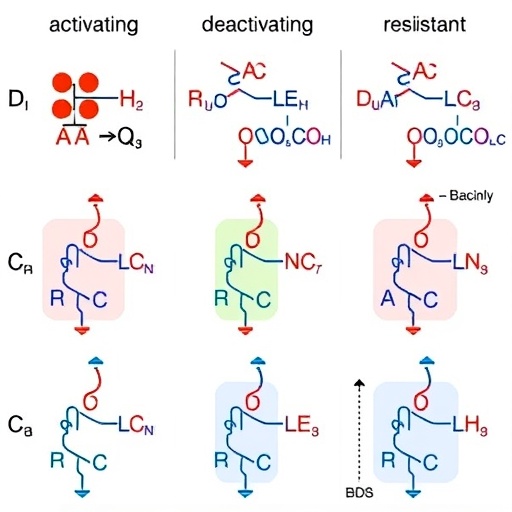
In recent years, protein kinases have emerged as a critical focal point in biomedical research, particularly due to their central role in cell signaling and regulation. These enzymes are responsible for the phosphorylation of other proteins, a modification that can activate or deactivate various pathways in cellular functions. Given their involvement in numerous diseases, including cancer, understanding the different variants of protein kinases has significant implications for therapeutic strategies. Recent research emphasizes the need to dissect the variants of these proteins into three categories: activating, deactivating, and resistance variants. This differentiation is crucial, as it can influence drug development and treatment options.
Activating variants are mutations in protein kinases that enhance their activity, often leading to aberrant signaling pathways associated with uncontrolled cell growth. A prime example of activating variants can be seen in specific mutations found in cancers, where cells bypass regulatory mechanisms and proliferate unchecked. Identifying these variants necessitates advanced detection methods, as traditional sequencing might not capture the full extent of their significance. By using high-throughput sequencing technologies, researchers are now able to pinpoint these activating alterations with greater precision.
In contrast to activating variants, deactivating variants result in reduced or lost kinase function, which can impact various cellular processes. Such mutations can lead to loss of regulation in signaling pathways, which might initially seem beneficial but can also result in unintended consequences. For example, the loss of function in certain kinases might impair tumor suppression, leading to an imbalance in cellular homeostasis. Understanding these variants, therefore, plays a pivotal role not only in explaining the mechanisms of certain diseases but also in developing potential therapeutic interventions targeted at reactivating these critical pathways.
Resistance variants represent a particularly challenging aspect of protein kinase research. These variants develop in response to targeted therapies, rendering the treatments ineffective. The phenomenon highlights the need for ongoing monitoring and adaptation of therapy regimens in patients. As cancer treatment increasingly utilizes targeted therapies that inhibit specific kinase activities, the emergence of resistance variants poses a significant barrier to successful treatment outcomes. The characterization of these variants through advanced genomics could provide insights necessary for developing next-generation inhibitors that could overcome resistance mechanisms.
Moreover, recent advancements in bioinformatics have greatly enhanced our understanding of how these different variants function at a molecular level. Computational tools allow researchers to model the structural implications of specific mutations, predicting how they might alter enzyme activity or interaction with other proteins. This knowledge is invaluable for rational drug design, enabling the creation of more effective and selective therapeutics. Such tools represent a burgeoning intersection between biology and technology, offering new pathways for the treatment of diseases influenced by protein kinases.
The characterization of these variants does not rest solely on genomic analysis; proteomic techniques are equally important. By studying the protein expression and modifications in response to specific mutations, researchers can gain deeper insights into the functional consequences of each variant. Mass spectrometry, for instance, can quantify phosphorylation events and provide information on the dynamics of signaling pathways affected by these changes. Such proteomic approaches complement genomic findings, offering a more comprehensive view of how kinases operate within the cellular landscape.
Clinical applications of this research are vast. By integrating knowledge of activating, deactivating, and resistance variants, clinicians can tailor treatments to individual patients, enhancing efficacy and minimizing side effects. For example, patients with particular activating mutations may benefit more from targeted therapies designed specifically for their variant profiles. Conversely, understanding resistance mechanisms allows for the design of combination therapies that could preemptively tackle the emergence of resistance, thereby extending patient survival rates and improving quality of life.
Furthermore, public databases and collaborative platforms are emerging to share insights and research findings among scientists and practitioners. These resources enable the aggregation of data regarding known variants, supporting researchers in identifying patterns and trends within kinases that may not have been previously recognized. By fostering collaboration across various disciplines, the scientific community can accelerate discovery and improve the translation of these findings into clinical practice.
Advancements in research methodologies also play a crucial role in the ongoing exploration of protein kinases. Techniques such as CRISPR gene editing allow for precise modification of specific kinases in model organisms, facilitating direct observation of the effects of activating, deactivating, and resistance mutations. These experimental models can shed light on the complexities of kinase regulation and the broader implications for cellular behavior, leading to new therapeutic avenues that may not have been considered before.
As we delve deeper into the world of protein kinases, it is essential to consider the ethical implications surrounding genetic research and its application in medicine. With personalized medicine on the rise, conversations around genetic privacy, data sharing, and consent will only become more pertinent. Striking a balance between advancing scientific knowledge and maintaining ethical standards is crucial in ensuring that these innovations are accessible and beneficial to all.
The ongoing research into protein kinases not only holds promise for cancer treatment but also for other medical conditions influenced by cell signaling, such as diabetes and neurodegenerative diseases. Understanding how these kinases operate at the molecular level can pave the way for innovative treatments across a spectrum of health issues. Continued investment in this area of research could lead to breakthroughs that significantly enhance our understanding of cellular processes and their implications for human health.
As we look to the future, the role of protein kinases in biology and medicine will only expand as new technologies and methodologies emerge. This dynamic field represents one of the most promising frontiers in biomedical research, where the quest to understand and harness the power of these enzymes could reshape disease management and pave the way for a healthier future for individuals worldwide. Investigations into activating, deactivating, and resistance variants will remain at the forefront of this endeavor, driving the next wave of therapeutic innovation in the coming years.
In summary, the comprehensive characterization of protein kinase variants has emerged as a cornerstone of modern biomedical research. With implications spanning diagnostics, therapeutic design, and patient management, the journey into the world of protein kinases is just beginning. Ongoing research will continue to unravel the complexities associated with these crucial enzymes, ultimately advancing our efforts to combat diseases that affect millions globally.
Subject of Research: Protein kinases and their variants
Article Title: Discriminating activating, deactivating and resistance variants in protein kinases
Article References:
Singh, G., Schmenger, T., Gonzalez-Sanchez, J.C. et al. Discriminating activating, deactivating and resistance variants in protein kinases.
Genome Med 17, 133 (2025). https://doi.org/10.1186/s13073-025-01564-z
Image Credits: AI Generated
DOI: https://doi.org/10.1186/s13073-025-01564-z
Keywords: Protein kinases, activating variants, deactivating variants, resistance variants, cancer treatment, precision medicine.
Tags: activating protein kinase variantsadvanced detection methods in kinase researchcancer-related kinase mutationscellular regulation and protein kinasesdeactivating protein kinase variantsdrug development for kinase-related diseaseshigh-throughput sequencing in biomedical researchprotein kinasesprotein phosphorylation in cell signalingresistance protein kinase variantssignaling pathways in cancer growththerapeutic implications of kinase variants