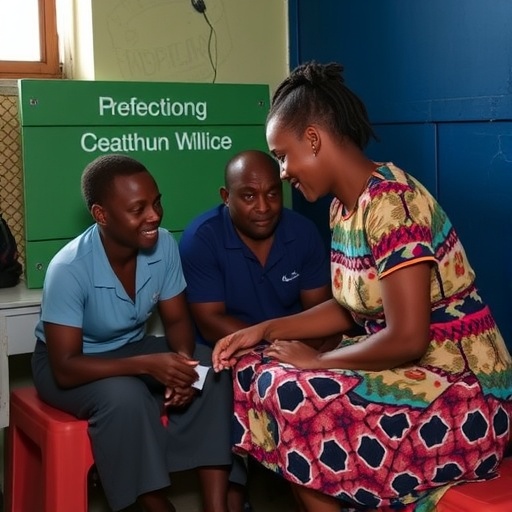
In the heart of West Africa, Ghana is grappling with a silent but deadly epidemic—non-communicable diseases (NCDs). While the world has predominantly focused on infectious diseases, such as malaria and HIV, the rise of NCDs like diabetes, hypertension, and respiratory disorders presents a significant challenge to public health systems. As health authorities attempt to pivot their strategies, a new study has surfaced, shedding light on the essential drivers of NCD prevention activities in primary health care facilities across Ghana. This research offers a critical foundation for understanding how best to bolster health interventions aimed at curbing this escalating crisis.
The research team, comprised of scholars Amenah, Anaseba, Awalime, and others, delves into the intricate web of factors influencing the effectiveness of preventive strategies against NCDs at the primary care level. Their work, set to be published in BMC Health Services Research, underscores a timely concern. With the burden of NCDs rising alarmingly, there is a pressing need for innovative solutions and sustainable healthcare practices tailored to the unique Ghanaian context.
Central to their findings is the realization that multifaceted barriers still exist despite the global and national health policies advocating for NCD prevention. These barriers include inadequate funding, limited health education, and a shortage of trained healthcare personnel. Each of these obstacles interplays to create an environment where preventive measures often fall short, leaving vulnerable populations at risk. The implications of these findings are critical, as they highlight the need for comprehensive assessments that not only identify but also address these underlying drivers.
Moreover, the researchers reveal that the stigma associated with NCDs plays a role in the hesitance of individuals to seek preventive care. This stigma contributes to a culture of silence surrounding these diseases, arguably leading to late diagnoses and poor health outcomes. By amplifying the voices of those impacted by NCDs and encouraging open discussions, healthcare professionals in Ghana can work toward changing perceptions, ultimately fostering an environment conducive to preventive healthcare.
Alongside stigma, the study identifies socioeconomic factors as significant contributors to the inability of communities to engage effectively with healthcare systems. Poverty remains a chronic barrier for many Ghanaians, making it exceedingly challenging to prioritize health when basic needs are not met. The research draws attention to the necessity for policies that not only address health interventions but also strive to improve the socioeconomic status of the populace.
Furthermore, the study emphasizes the importance of community involvement in the crafting and implementation of health strategies. Local ownership of health initiatives significantly enhances trust and engagement. As Ghana continues to navigate its healthcare landscape, involving community leaders and members in decision-making processes is paramount. This collaborative approach has the potential to yield better health outcomes as interventions become tailored to meet the specific needs and cultural practices of individual communities.
The authors also critically evaluate the role of technology in facilitating NCD prevention efforts. In recent years, the rise of telemedicine and health apps has opened new avenues for health education and monitoring, especially in rural areas where access to healthcare facilities is dire. By embracing digital innovation, health authorities can improve data collection and patient follow-up, ensuring a more proactive approach to NCD management.
Moreover, the study underlines the necessity for targeted health education programs that resonate with diverse demographics. One-size-fits-all educational approaches often fail to engage the intended audience effectively. By developing context-sensitive materials and outreach programs, Ghana can strengthen public awareness and encourage preventive behaviors related to NCDs.
The necessity for collaboration is another critical theme that emerges from the research findings. Public health officials, policymakers, nonprofit organizations, and international agencies must work synergistically to amplify their efforts. The challenges posed by NCDs require an array of expertise and resources, which can be harnessed through strategic partnerships aimed at building resilient health systems.
In highlighting the importance of primary healthcare facilities, the research presents a compelling case for investing resources into these essential institutions. They are often the first point of contact for patients and can play a pivotal role in preventive care. By ensuring that these facilities are adequately equipped and staffed, the impact on NCD prevention can be profound.
The authors wrap up their study with a call to action for policymakers to prioritize NCD prevention within the larger framework of public health initiatives. As Ghana represents a microcosm of global health challenges associated with NCDs, their findings may hold broader implications that resonate well beyond its borders. By viewing NCD prevention as a critical public health agenda, Ghana can influence other nations grappling with similar issues.
As new health initiatives and funding opportunities emerge, ongoing evaluation and adaptive management of programs will be necessary to ensure long-term success in the fight against NCDs. Evidence-based policies and community-driven actions will remain at the forefront of effective health intervention strategies in Ghana.
Ghana stands at a crucial crossroads, where the choices made regarding healthcare today will determine the health outcomes of generations to come. The findings of this research provide a necessary lens through which to view the complexities surrounding health in the nation. It emphasizes an urgent need for innovative, comprehensive strategies to combat NCDs, ensuring that health equity is realized for all Ghanaians, regardless of socioeconomic status or geographic location.
As the discourse around NCDs continues to evolve, it is imperative to remain vigilant and proactive. Continuous research and community engagement must become inherent in the public health landscape, propelling Ghana toward a healthier, more resilient future. Only then can the nation hope to grapple successfully with the burgeoning challenge that NCDs present, safeguarding the health and well-being of current and future generations.
By embracing a holistic approach to health care that encompasses education, socioeconomic improvement, technological advancements, and community engagement, Ghana has the potential to turn the tide against non-communicable diseases. The road ahead may be challenging, but the collective determination to understand and address the drivers of NCD prevention activities could lead to groundbreaking changes that foster a healthier nation.
Subject of Research: Non-communicable diseases (NCD) prevention activities in Ghana’s primary health care facilities.
Article Title: Assessing the drivers of non-communicable diseases prevention activities in primary health care facilities in Ghana: a case study of some selected districts.
Article References:
Amenah, M.A., Anaseba, D., Awalime, D.K. et al. Assessing the drivers of non-communicable diseases prevention activities in primary health care facilities in Ghana: a case study of some selected districts.
BMC Health Serv Res (2026). https://doi.org/10.1186/s12913-026-14032-0
Image Credits: AI Generated
DOI: 10.1186/s12913-026-14032-0
Keywords: Non-communicable diseases, Ghana, primary health care, prevention activities, public health.
Tags: barriers to effective NCD preventionchallenges in NCD managementdiabetes and hypertension in Ghanaepidemic of non-communicable diseases in West AfricaGhana’s health policy on non-communicable diseaseshealth education and awareness in Ghanainnovative solutions for NCD challengesnon-communicable diseases prevention in Ghanaprimary health care strategies in Ghanapublic health interventions for NCDsresearch on public health systemssustainable healthcare practices in West Africa